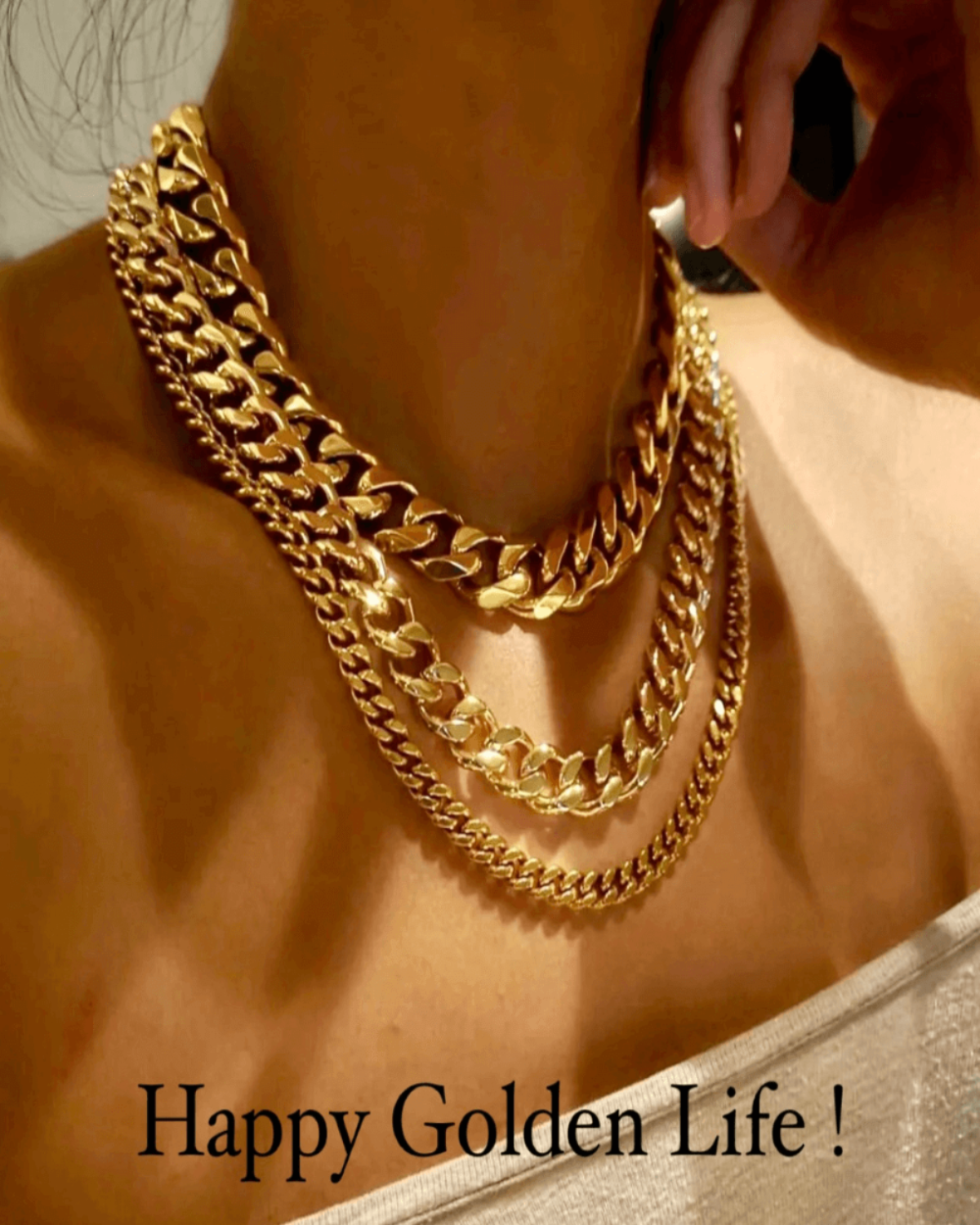
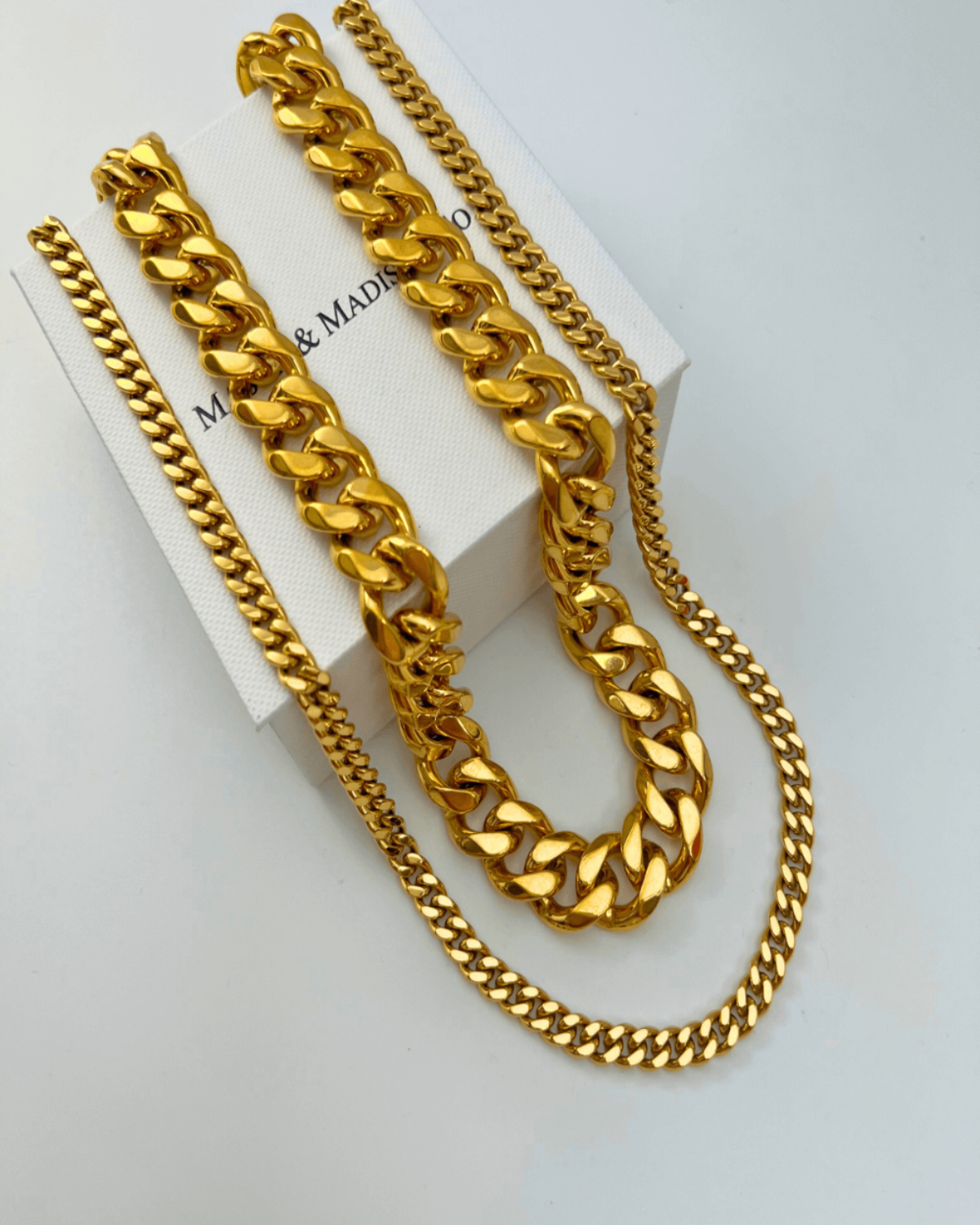
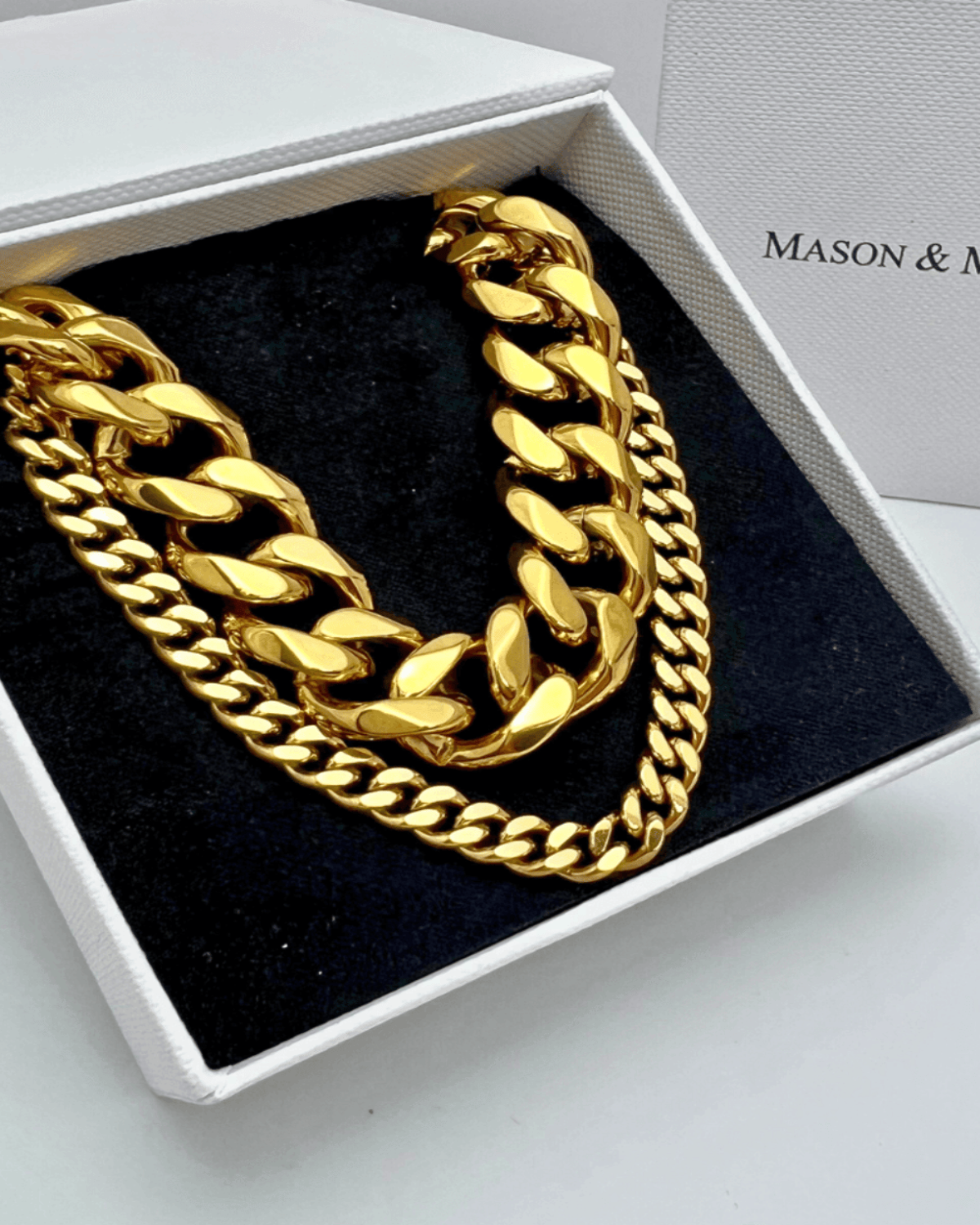
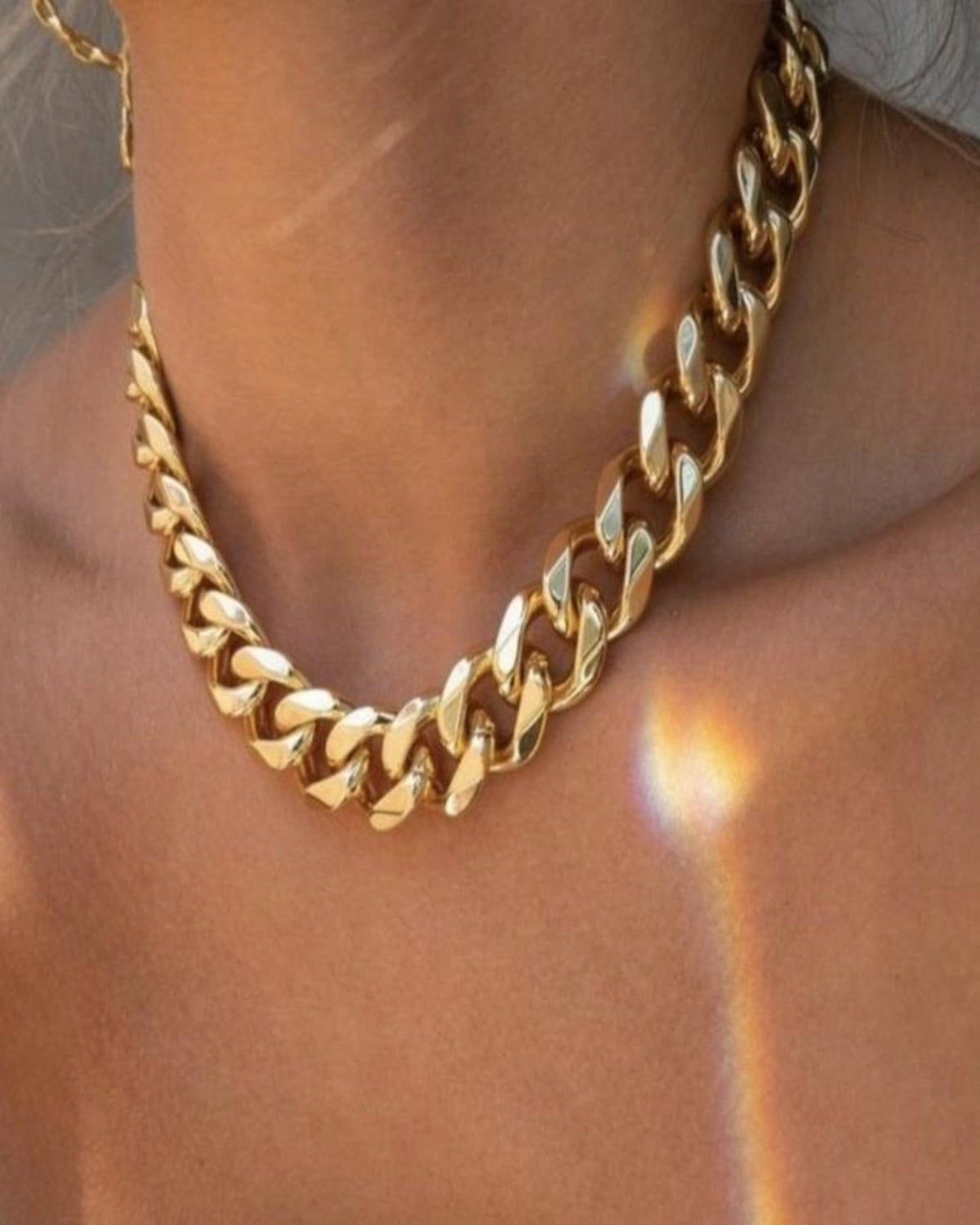
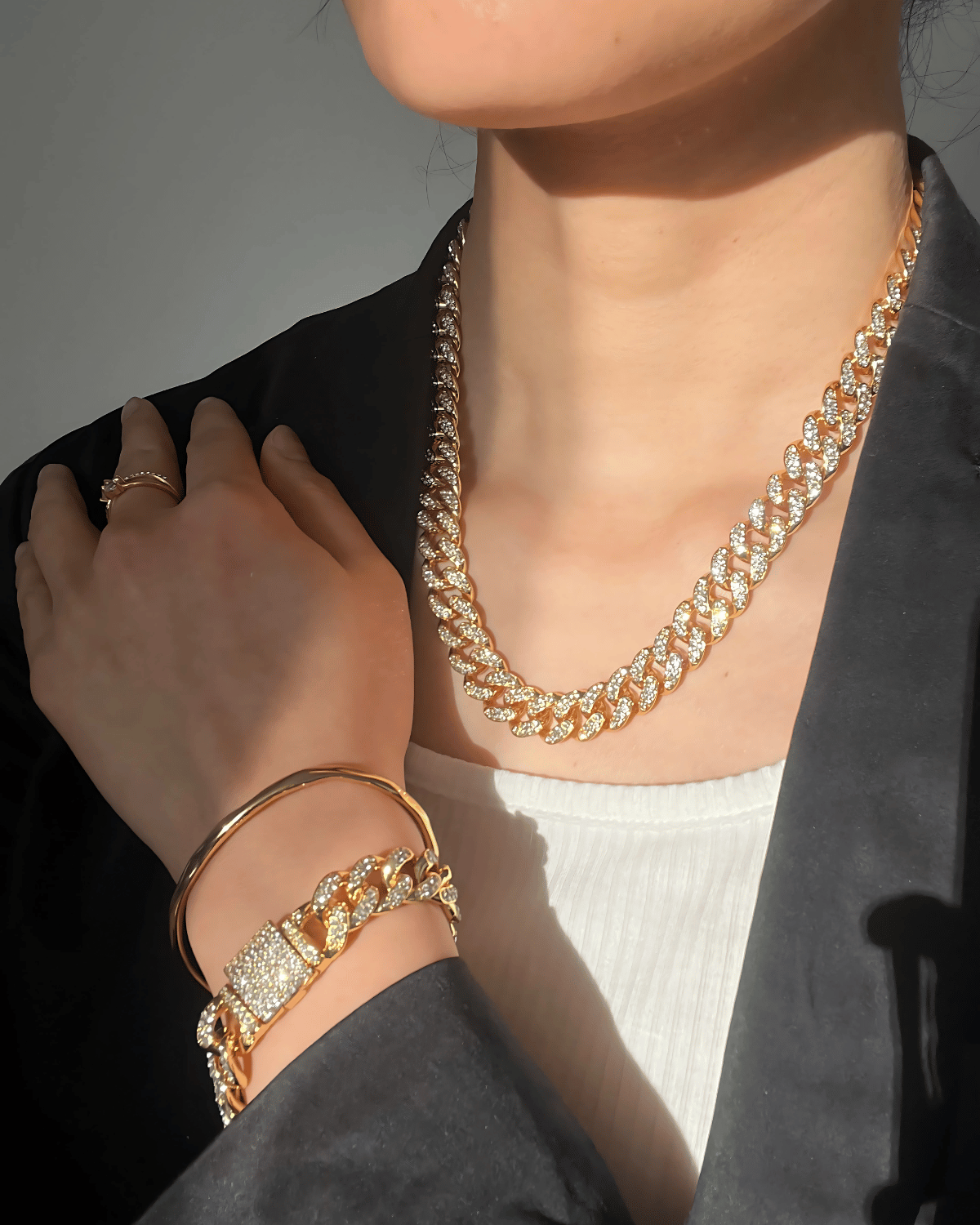

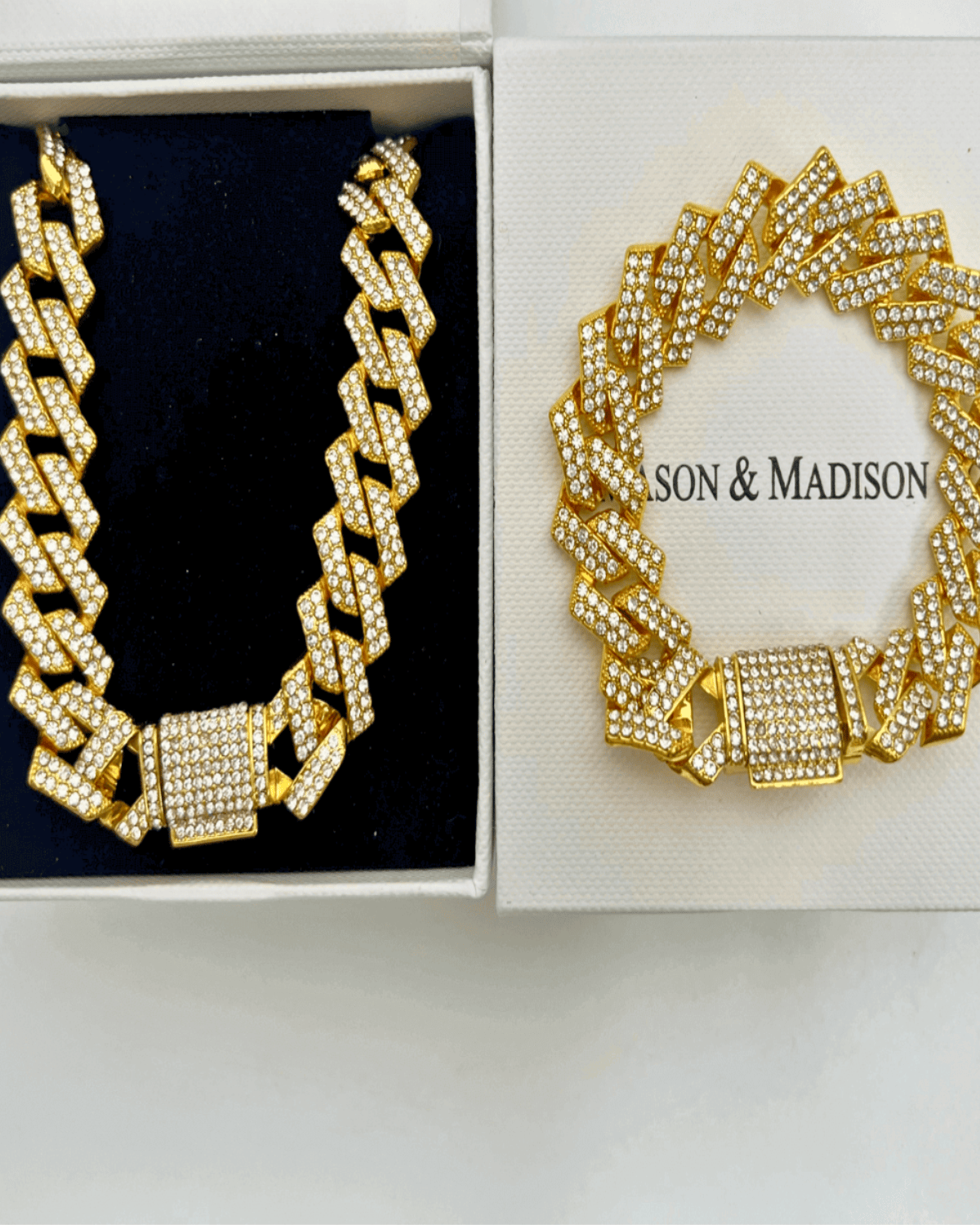
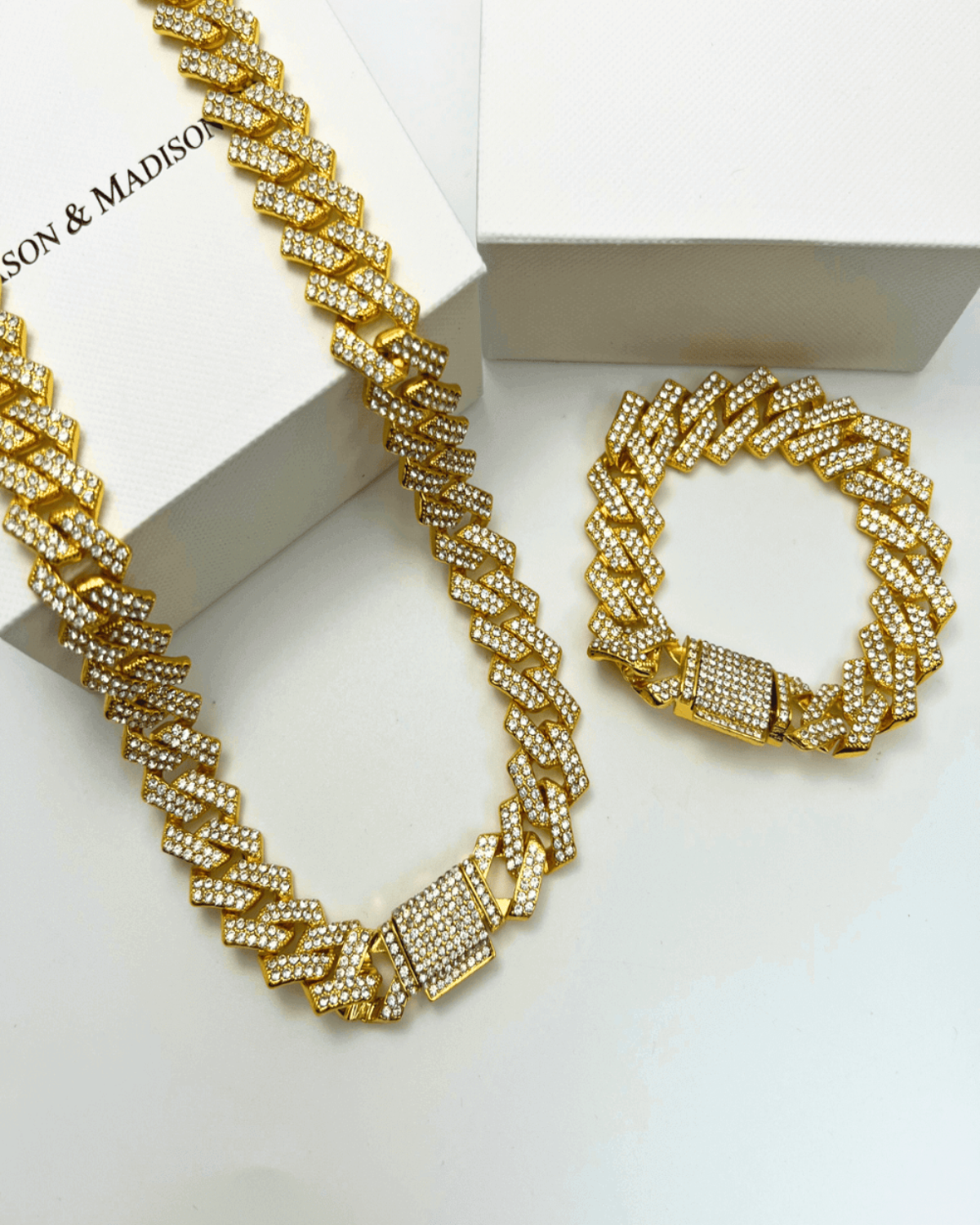
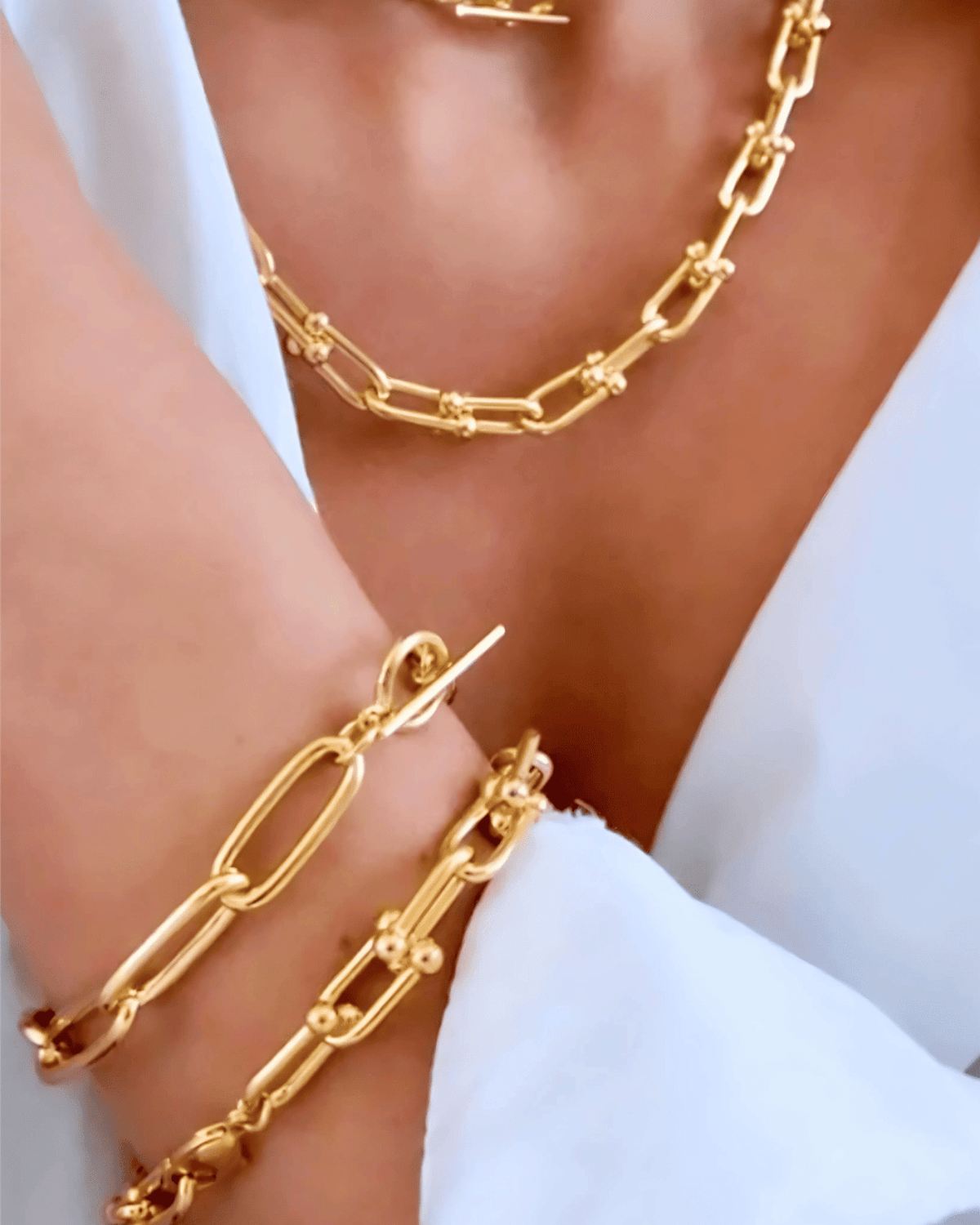
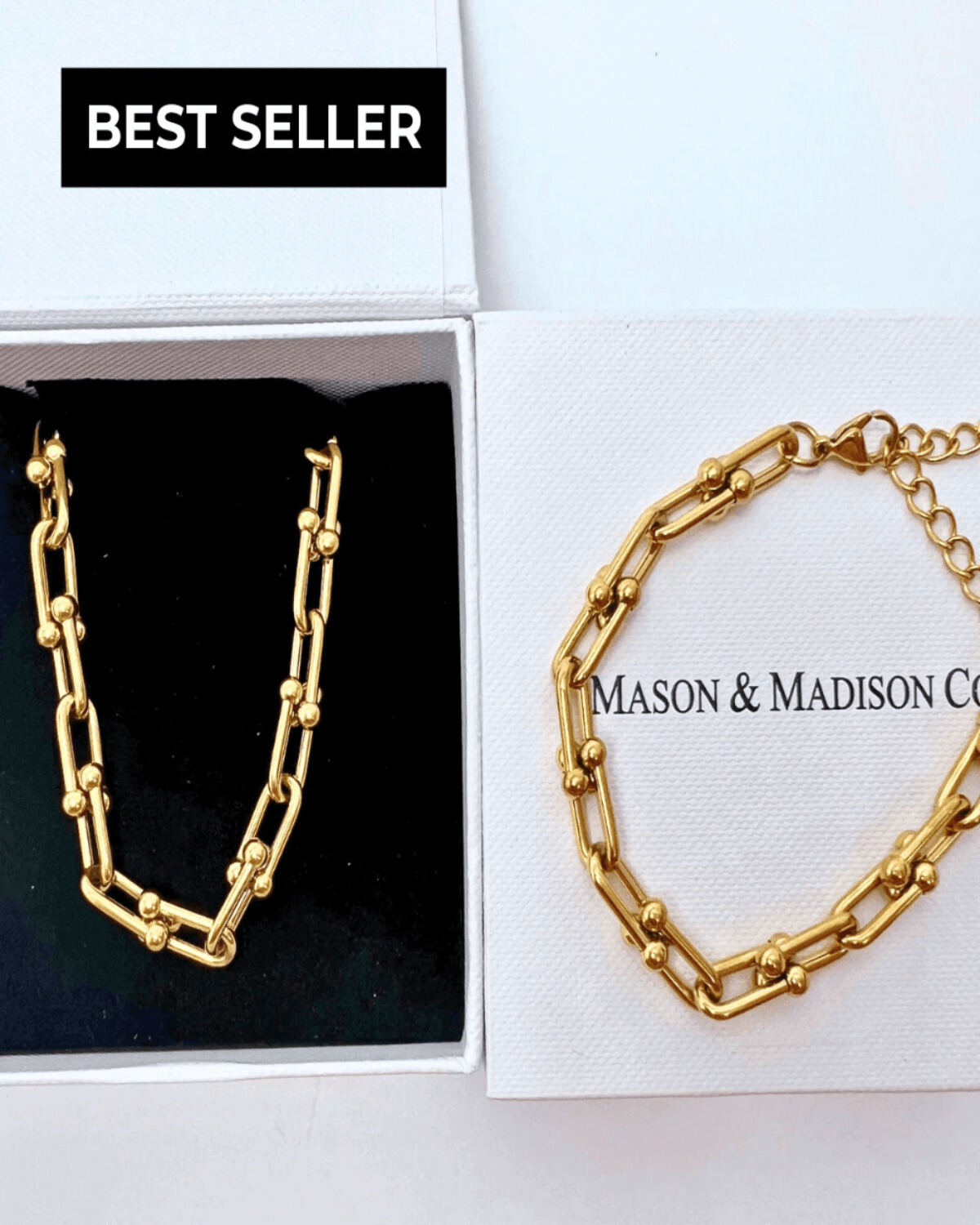
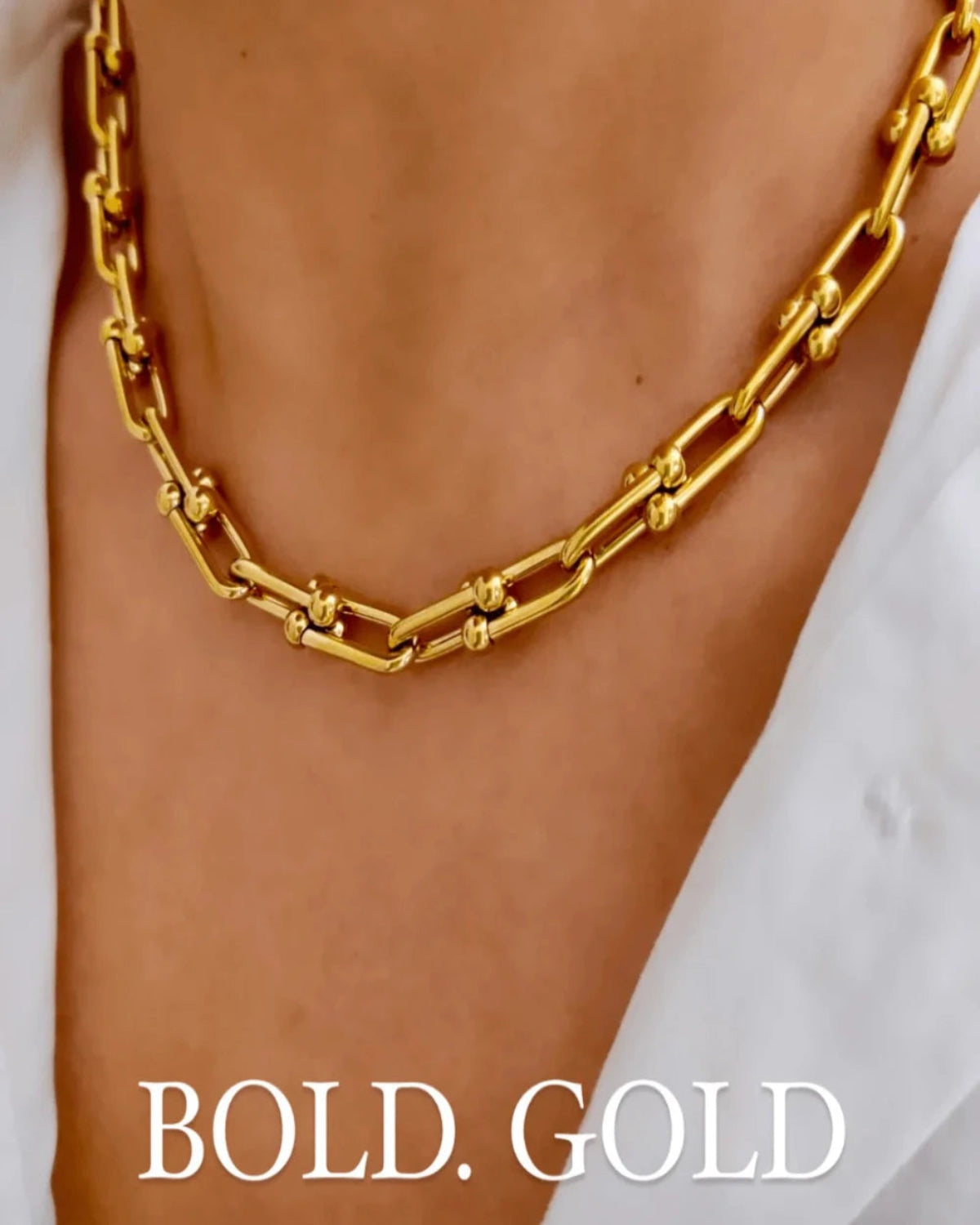
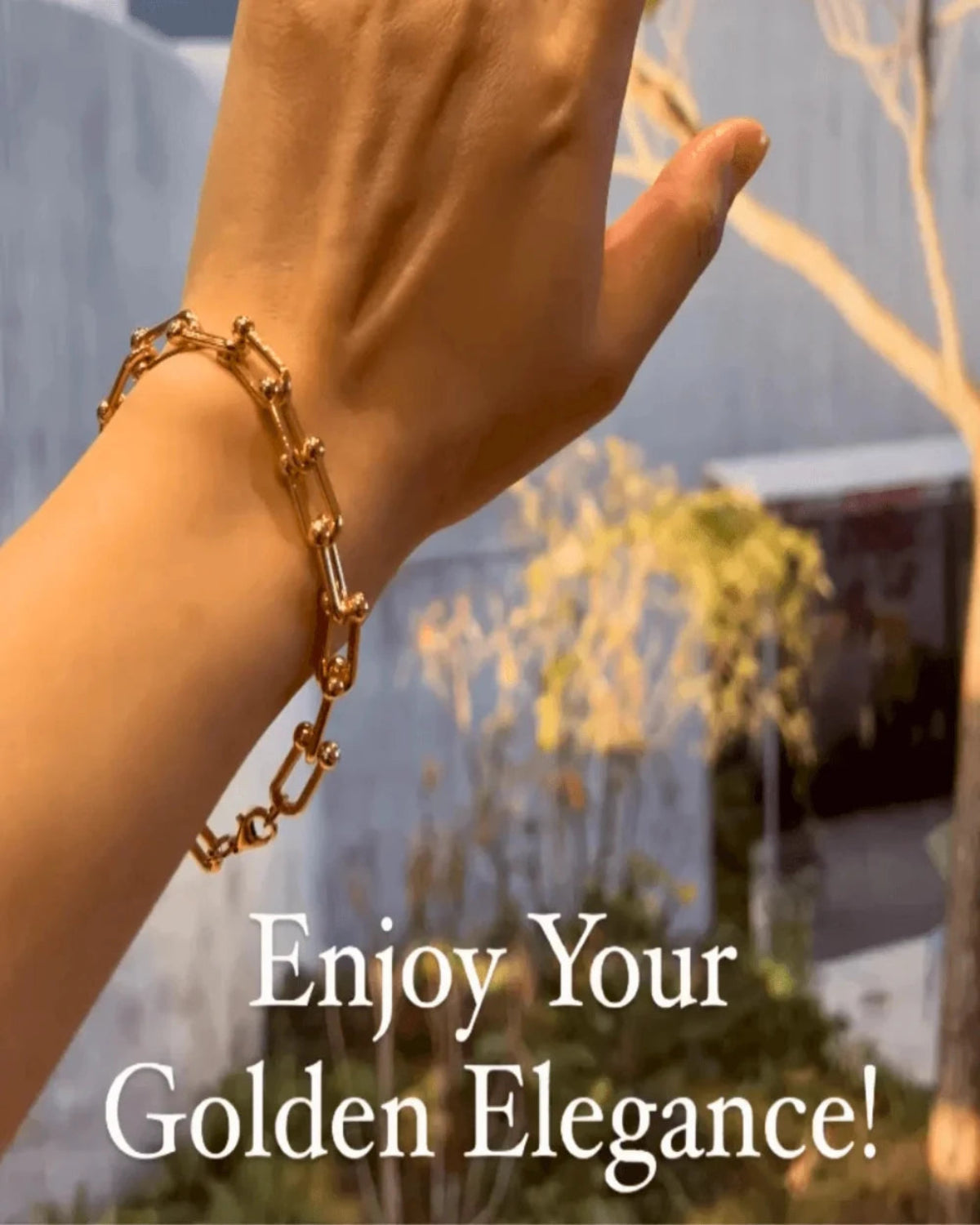
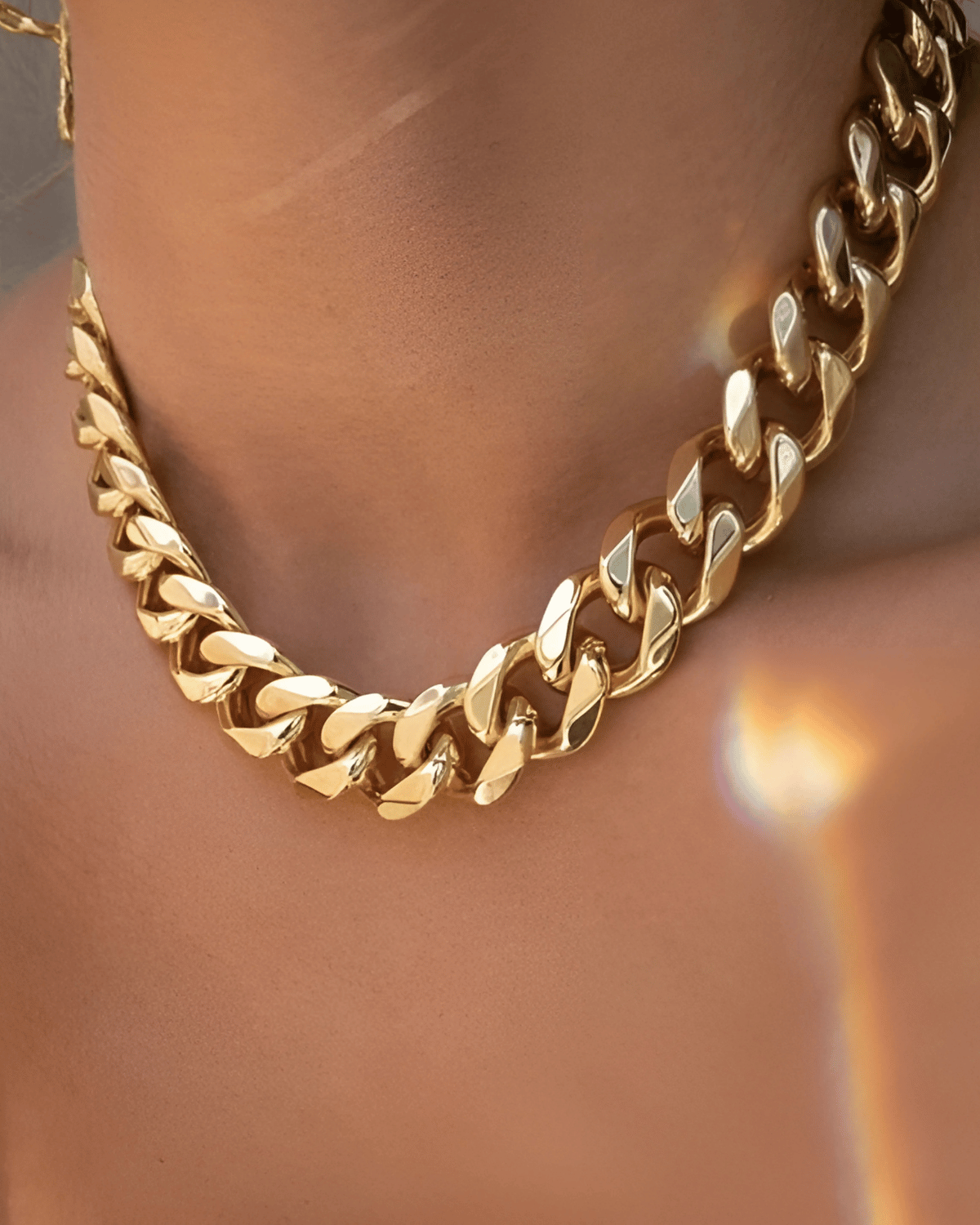
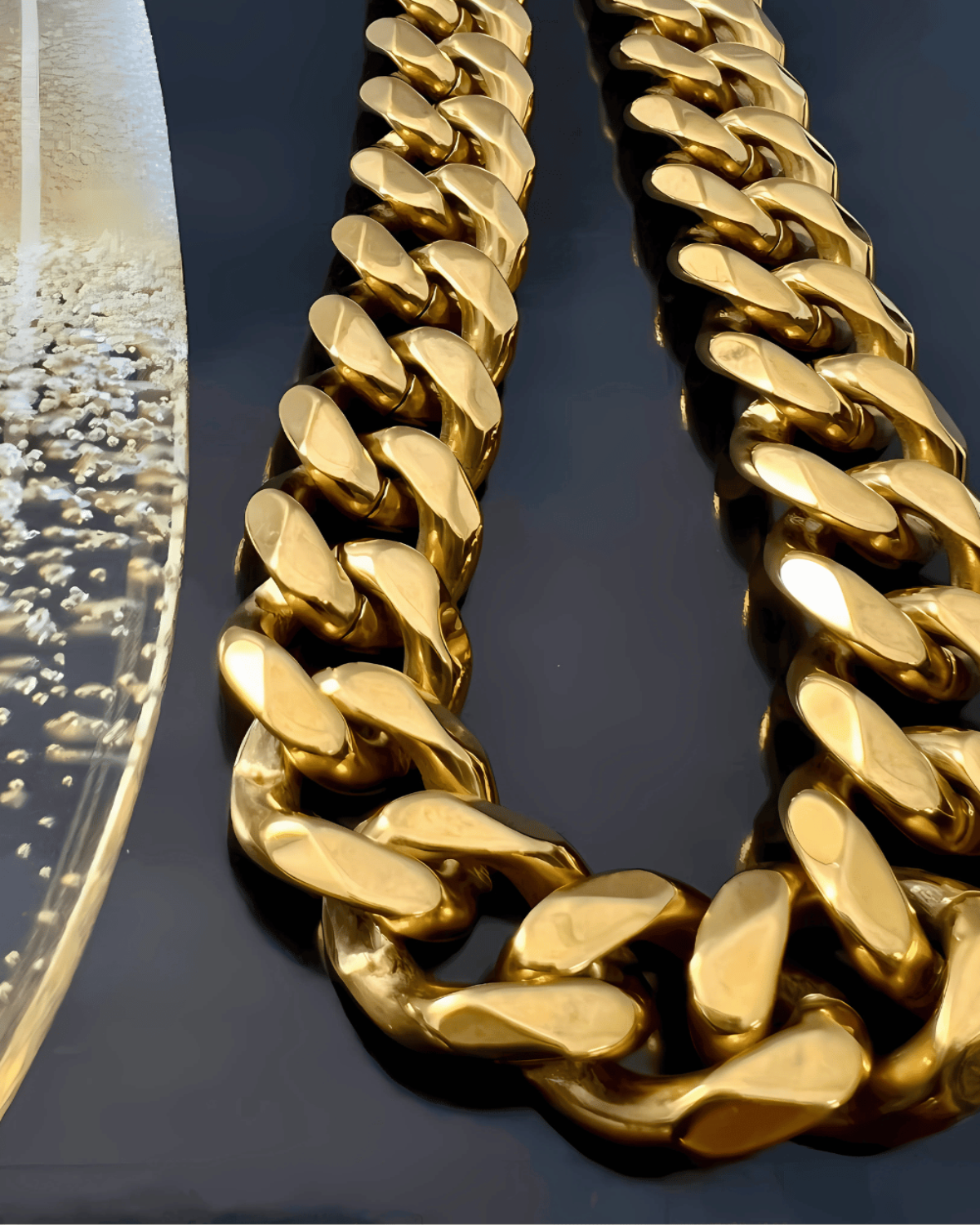
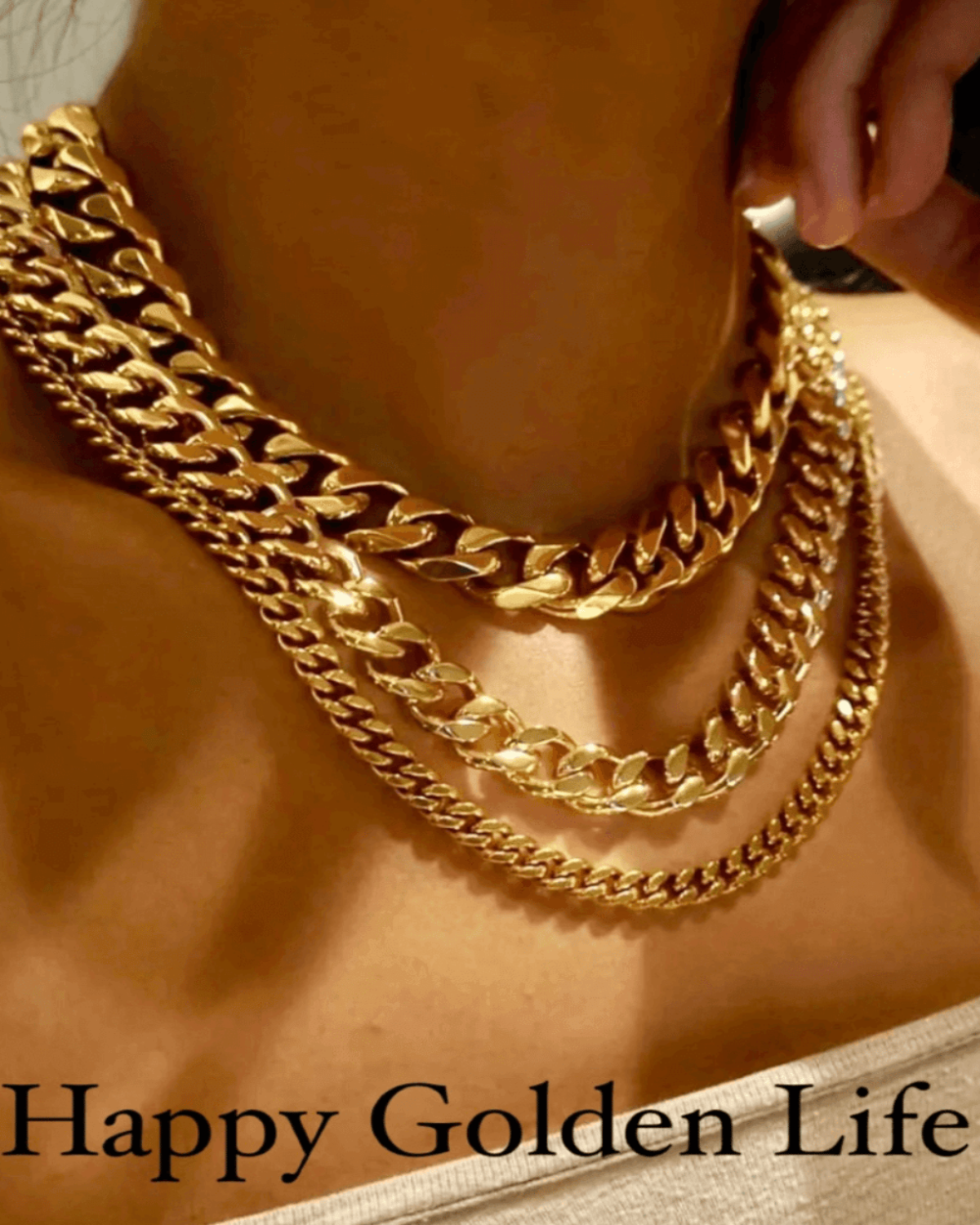
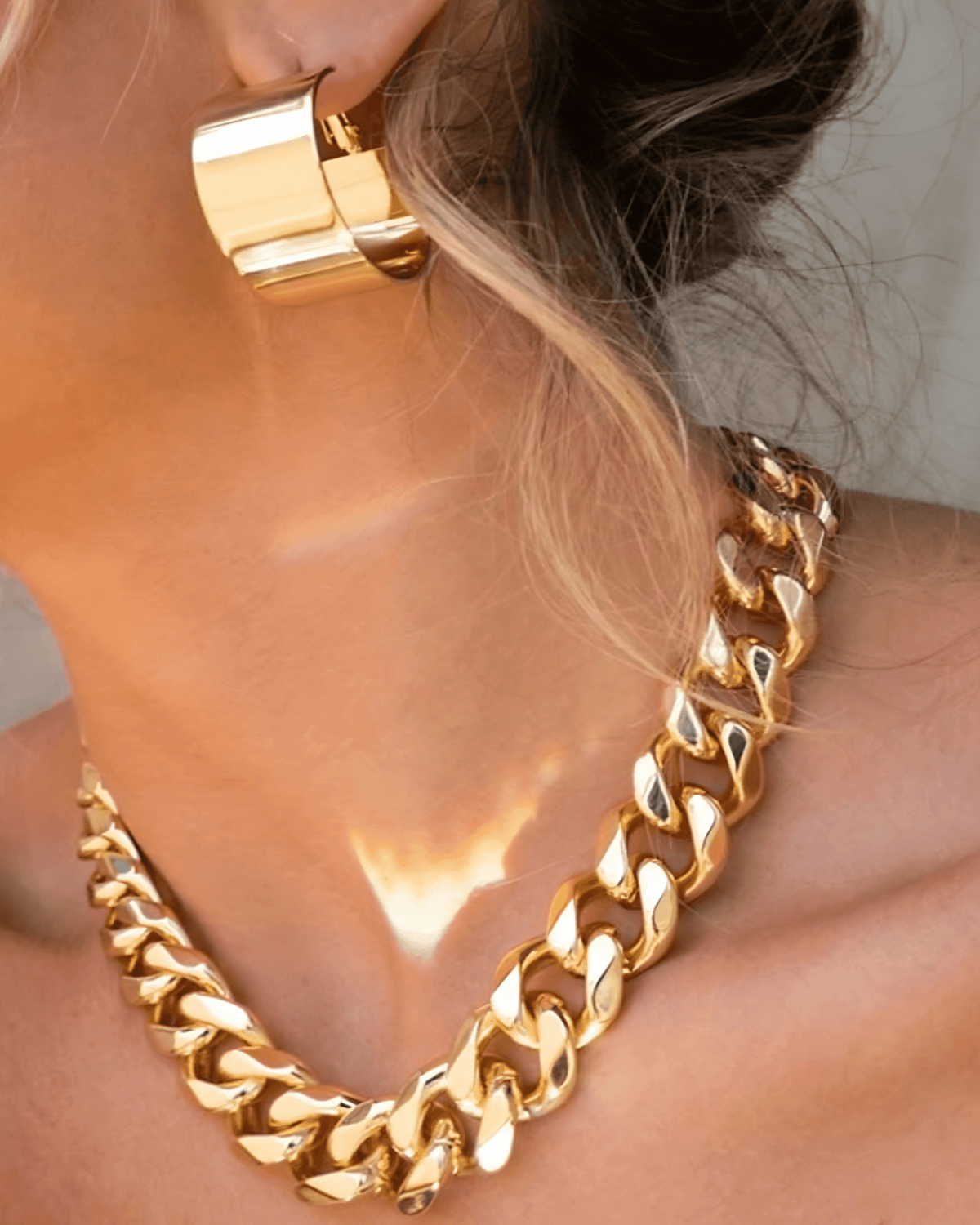

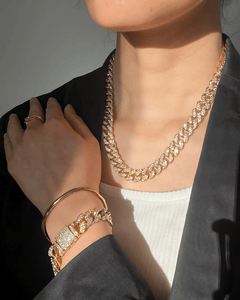
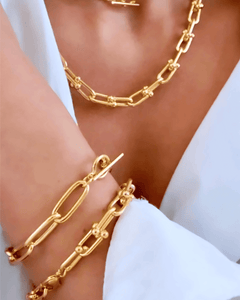

We have all felt the sting of disappointment: buying a gorgeous gold necklace only to have it lose its luster and turn your skin a haunting shade of green within weeks. In 2026, the market is flooded with claims of "waterproof" and "tarnish-free" jewelry, but many are simply marketing smoke and mirrors.
If you are tired of disposable fashion and looking for pieces that survive the shower, the gym, and the test of time, you need to understand the metallurgy of your accessories.
At Mason & Madison, we prioritize transparency. In this 3,000-word masterclass, we will identify exactly what kind of jewelry is actually tarnish-proof, rank the best materials on the market, and help you choose the right quality for your budget.
1. Why Most Jewelry Tarnishes: The Enemy Within
Before we list the "heroes," let's identify the "villains." Tarnish is a chemical reaction—usually oxidation—that occurs when base metals like copper, brass, or low-quality alloys react with moisture, oxygen, and skin acids.
Flash Plating: The standard in fast fashion. It has a gold layer so thin (0.1 microns) that it wears off almost instantly, exposing the reactive metal underneath.
The Result: Green skin, black marks, and a piece of jewelry that ends up in a landfill.
To avoid this, you must look for materials engineered to resist this chemical breakdown.
2. The Tarnish-Proof Hall of Fame: 2026 Ranked Materials
Here is the definitive list of materials that can legally and technically be called tarnish-proof or highly tarnish-resistant.
A. Solid 14K / 18K Gold (The Absolute Standard)
Solid gold is the only material that is truly tarnish-proof at a molecular level. It is a noble metal, meaning it does not react with oxygen or water.
Pros: Lifetime durability, high resale value, 100% waterproof.
Cons: Extremely expensive (often $500 - $2,000+ for a simple chain).
2026 Verdict: The ultimate investment, but not accessible for everyday trend-led styling.
B. 18K Gold Vermeil (The "Quiet Luxury" Champion)
At Mason & Madison, this is our specialty. Gold Vermeil is the gold-standard of "attainable luxury." To be classified as Vermeil, a piece must have a 925 Sterling Silver base and a gold layer at least 2.5 microns thick.
Pros: 5-10x thicker than standard plating, hypoallergenic, looks and feels like solid gold.
Cons: Requires occasional gentle cleaning to maintain its specific 18K glow.
2026 Verdict: The best balance of price, quality, and tarnish-resistance for high-end daily wear.
C. Stainless Steel with PVD Coating (The Industrial Powerhouse)
PVD (Physical Vapor Deposition) is a vacuum-sealing process that bonds 18K gold to medical-grade 316L stainless steel.
Pros: Virtually indestructible, 100% waterproof, sweat-proof, and budget-friendly.
Cons: Harder to resize or repair than precious metals; can have a slightly "darker" gold hue than Vermeil.
2026 Verdict: The absolute best choice for "Lazy Luxury"—perfect for the gym, shower, and beach.
D. Gold-Filled (The Heritage Choice)
Gold-filled jewelry involves mechanically bonding a thick sheet of gold to a base metal (usually brass).
Pros: Much thicker than plating, lasts for years.
Cons: Still uses a non-precious base metal; cannot be cast into intricate shapes like Vermeil or Solid Gold.
2026 Verdict: A durable option, but slowly being phased out by the superior precision of PVD and Vermeil technology.
3. The Comparison Matrix: Which One is Right for You?
| Feature | Solid 18K Gold | 18K Gold Vermeil | PVD Coated Steel | Gold-Plated |
| Tarnish Resistance | Absolute | Very High | Excellent | Very Low |
| Waterproof? | Yes | Yes (Shower-safe) | Yes (Gym-proof) | No |
| Hypoallergenic? | Yes | Yes | Yes | No |
| Base Metal | Gold Alloy | 925 Sterling Silver | 316L Stainless Steel | Brass / Copper |
| Price Point | $ |
$$$ | $$ | $ |
| Best For | Heirlooms | Everyday Luxury | Active Lifestyle | Single Use |
4. How 2026 Technology has Changed "Tarnish-Proof" Standards
In the past, you only had two choices: expensive solid gold or cheap junk. Today, advanced Molecular Bonding has changed the game. At Mason & Madison, we utilize a multi-layer protective shield over our 2.5-micron Vermeil, creating a "seal" that locks out moisture and sulfur. This is why our pieces remain radiant long after standard "tarnish-free" jewelry has faded.
5. Maintenance Secrets to Ensure Longevity
Even tarnish-proof jewelry benefits from professional care. To keep your 2026 collection in "New Box" condition:
Rinse After Salt: If you wear PVD or Vermeil in the ocean, a quick rinse with fresh water removes abrasive salt crystals.
Avoid Sulfur: Keep your jewelry away from hot springs or sulfur-based acne treatments.
The Microfiber Wipe: A 10-second polish with a soft cloth after wearing removes skin oils that can dull the gold's shine over time.
6. People Also Ask: The Ultimate Tarnish-Proof FAQ
Q: Can I wear tarnish-proof jewelry in the shower every day?
A: If your jewelry is PVD Coated Stainless Steel or 18K Gold Vermeil, yes. These materials are engineered for "Shower-to-Street" wear. Just be mindful that heavy scrubbing with exfoliants can physically wear down any gold surface over many years.
Q: Does 925 Sterling Silver tarnish?
A: Raw silver will oxidize (turn black) when exposed to air. However, our Gold Vermeil silver is protected by a thick layer of 18K gold. For our silver-toned pieces, we use Rhodium Plating—the most expensive precious metal in the world—to ensure a tarnish-proof finish.
Q: Why is my "tarnish-proof" jewelry turning my skin green?
A: If it turns your skin green, it is not tarnish-proof. Green skin is a reaction to copper. Mason & Madison jewelry is 100% Nickel-free and Copper-free, ensuring your skin stays its natural color.
Q: Is Gold-Filled better than Gold Vermeil?
A: It depends on your values. Gold-filled is very durable, but it uses a brass base. 18K Gold Vermeil uses 925 Sterling Silver (a precious metal), making it "Fine Jewelry." Vermeil also allows for more intricate, high-fashion designs that gold-filling cannot achieve.
Q: How long does PVD coating last?
A: PVD coating can last 3 to 10 years or more with heavy daily use. It is the most resilient gold-bonding process currently available in the jewelry industry.
Q: What is the best tarnish-proof jewelry for sensitive ears?
A: Look for 925 Sterling Silver bases or Titanium. Since these are hypoallergenic, and our 18K gold layer is so thick, your sensitive piercings never come into contact with irritating alloys.
Q: Can I wear tarnish-proof jewelry in a chlorinated pool?
A: While PVD steel is highly resistant to chlorine, we recommend rinsing your Gold Vermeil pieces immediately after a swim. Chlorine is a harsh chemical that can eventually weaken the shine of any gold alloy.
Q: Is "Gold Vermeil" just a fancy name for gold plated?
A: No. There are strict legal requirements for Vermeil (2.5 microns thickness + Sterling Silver base). "Gold plated" can mean a gold layer so thin it’s practically invisible. The difference in longevity is measured in years.
Q: How do I tell if my jewelry is actually PVD coated?
A: PVD is most commonly applied to Stainless Steel or Titanium. If a brand sells "Waterproof Gold" at an affordable price point and lists the base as 316L Stainless Steel, it is likely PVD.
Q: What is the most tarnish-proof metal for a wedding band?
A: For a lifetime piece, Solid 18K Gold or Platinum are the only choices. For a stylish "travel ring" or daily fashion band, 18K Gold Vermeil is the top recommendation.
Invest in Quality, Not Just a Label
In 2026, you don't have to settle for jewelry that dies in a week. By understanding the difference between Solid Gold, 18K Gold Vermeil, and PVD Coating, you can build a collection that reflects your style and respects your budget.
At Mason & Madison, we believe every piece should be a "forever" piece. Explore our curated collections and experience the freedom of jewelry that actually stays gold.
Shop the Mason & Madison Tarnish-Proof Collection — Built for Life, Styled for You