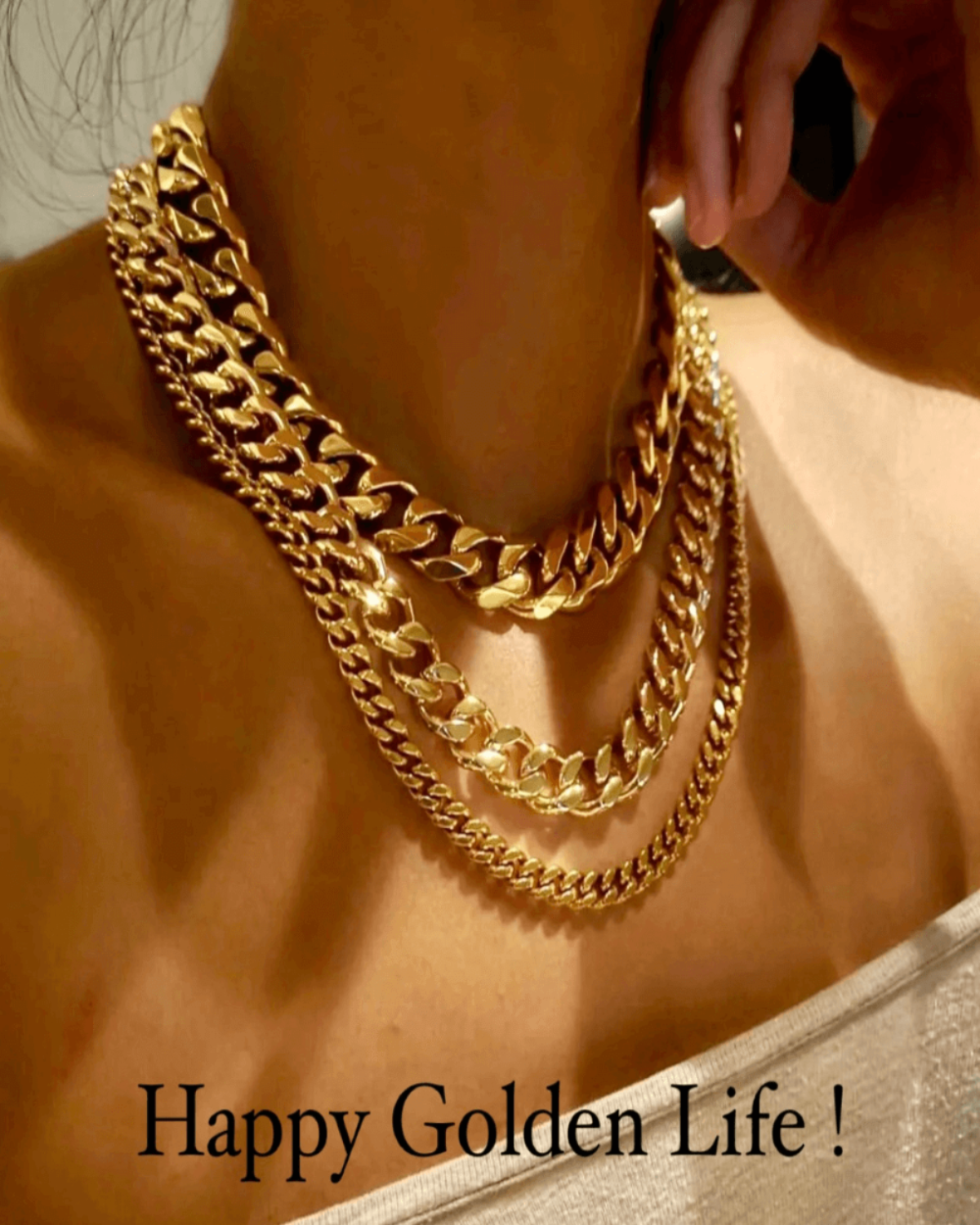
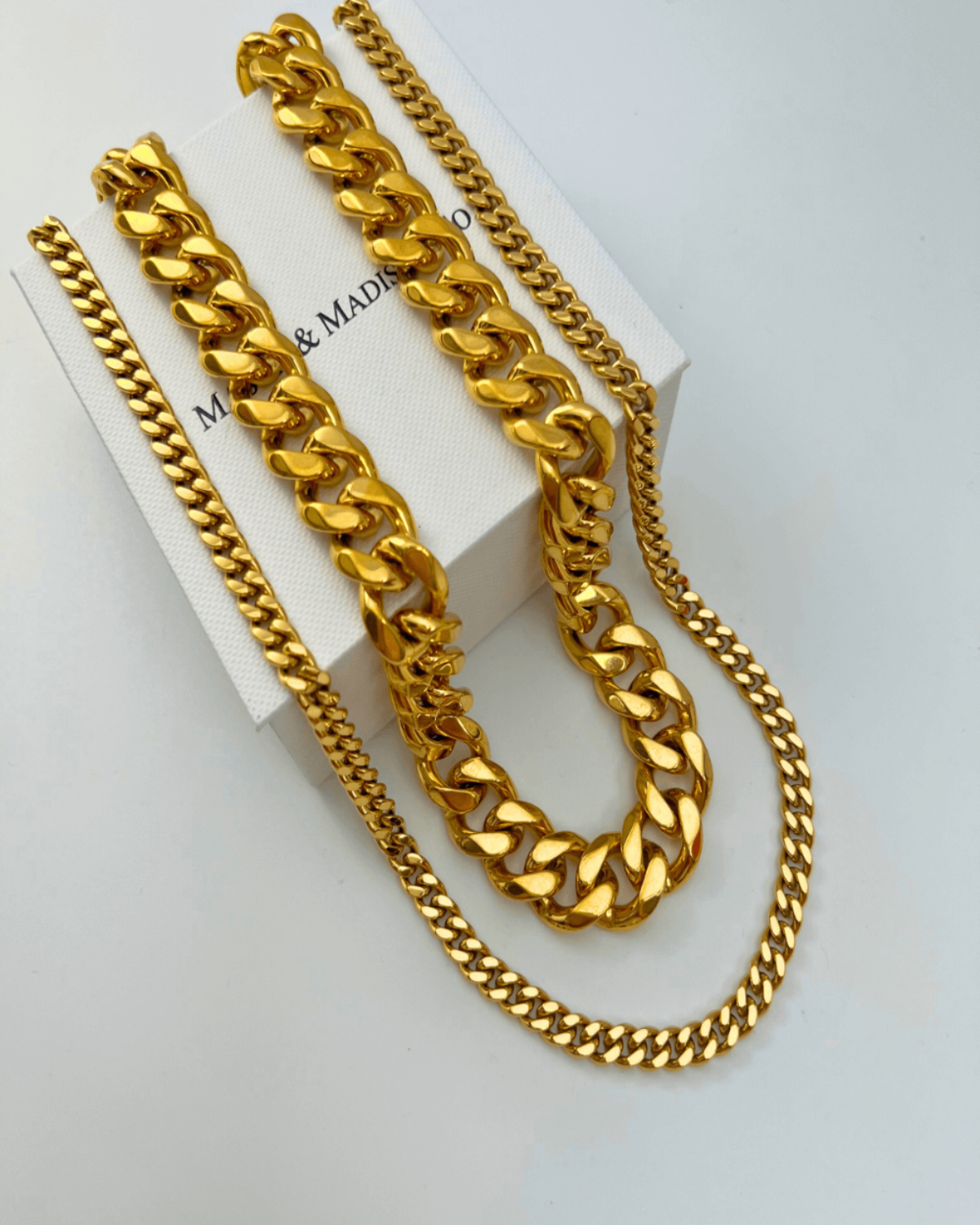
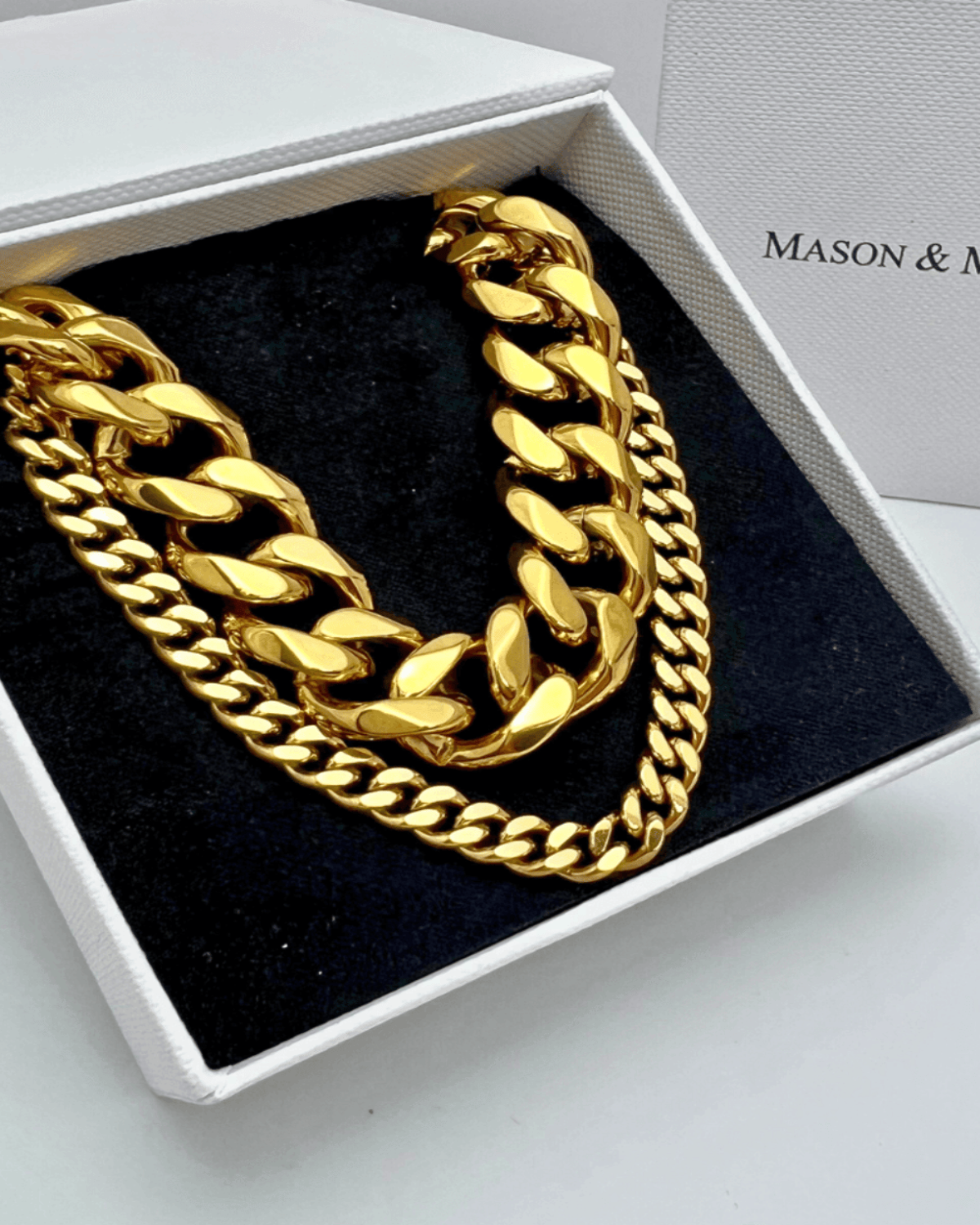
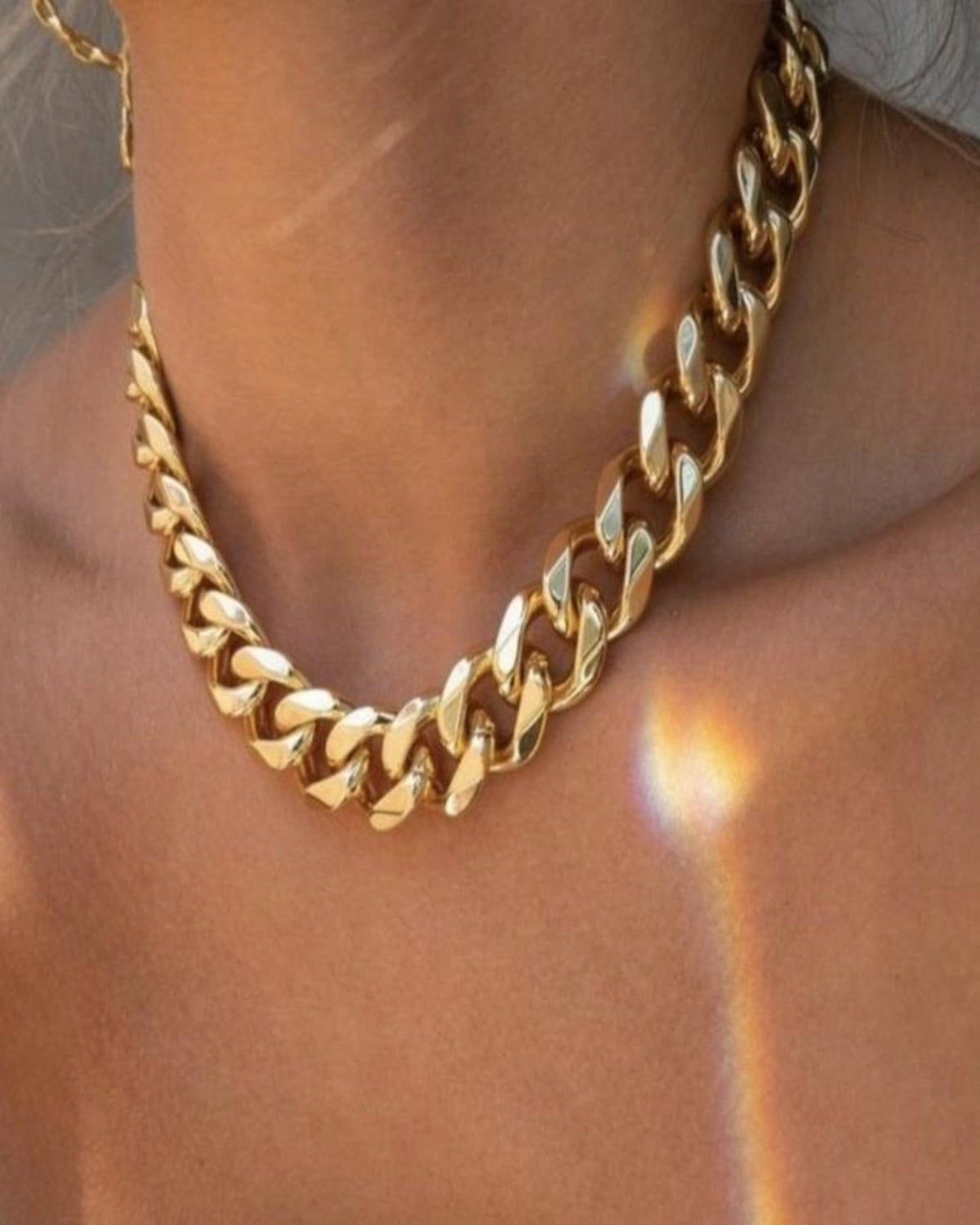

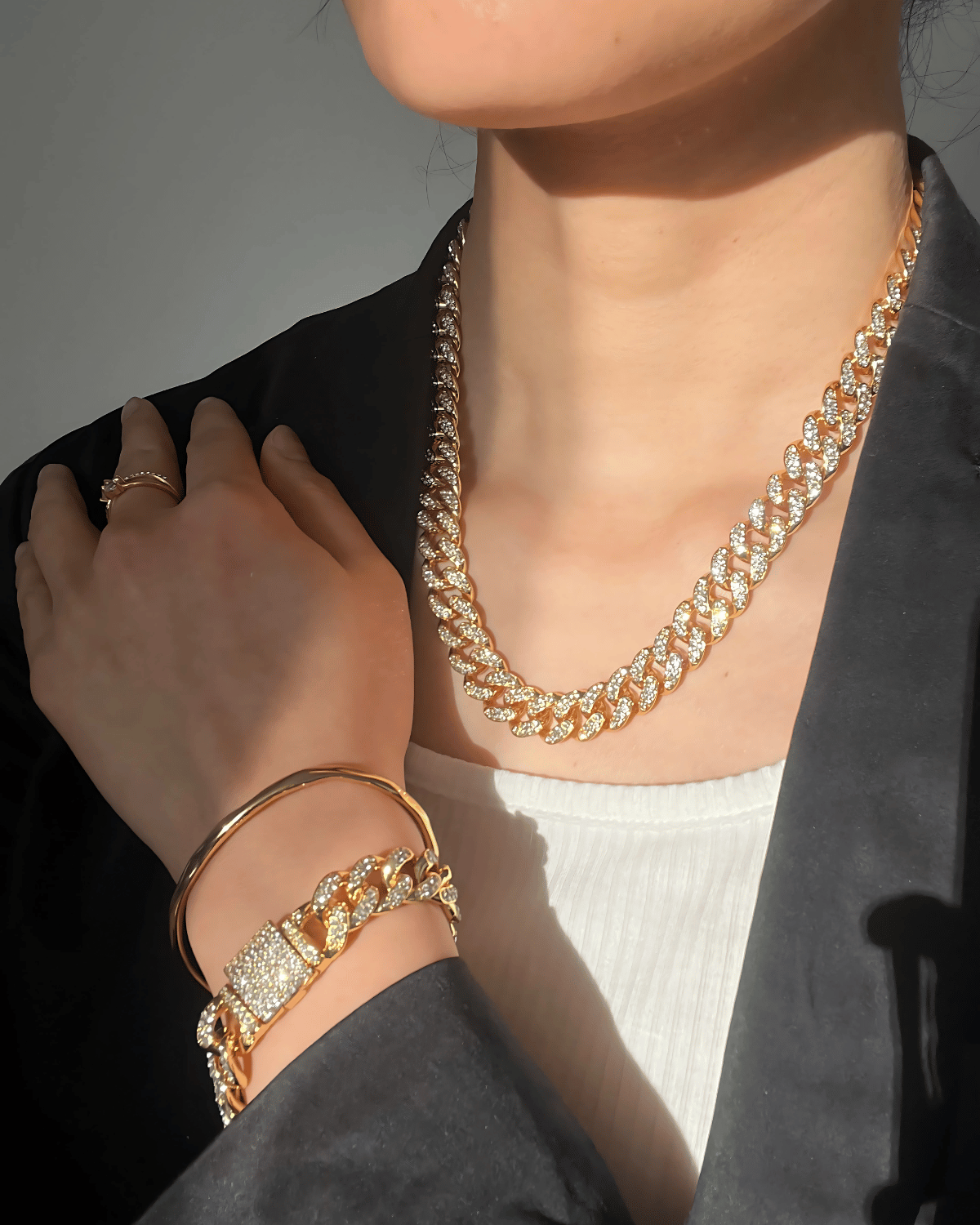
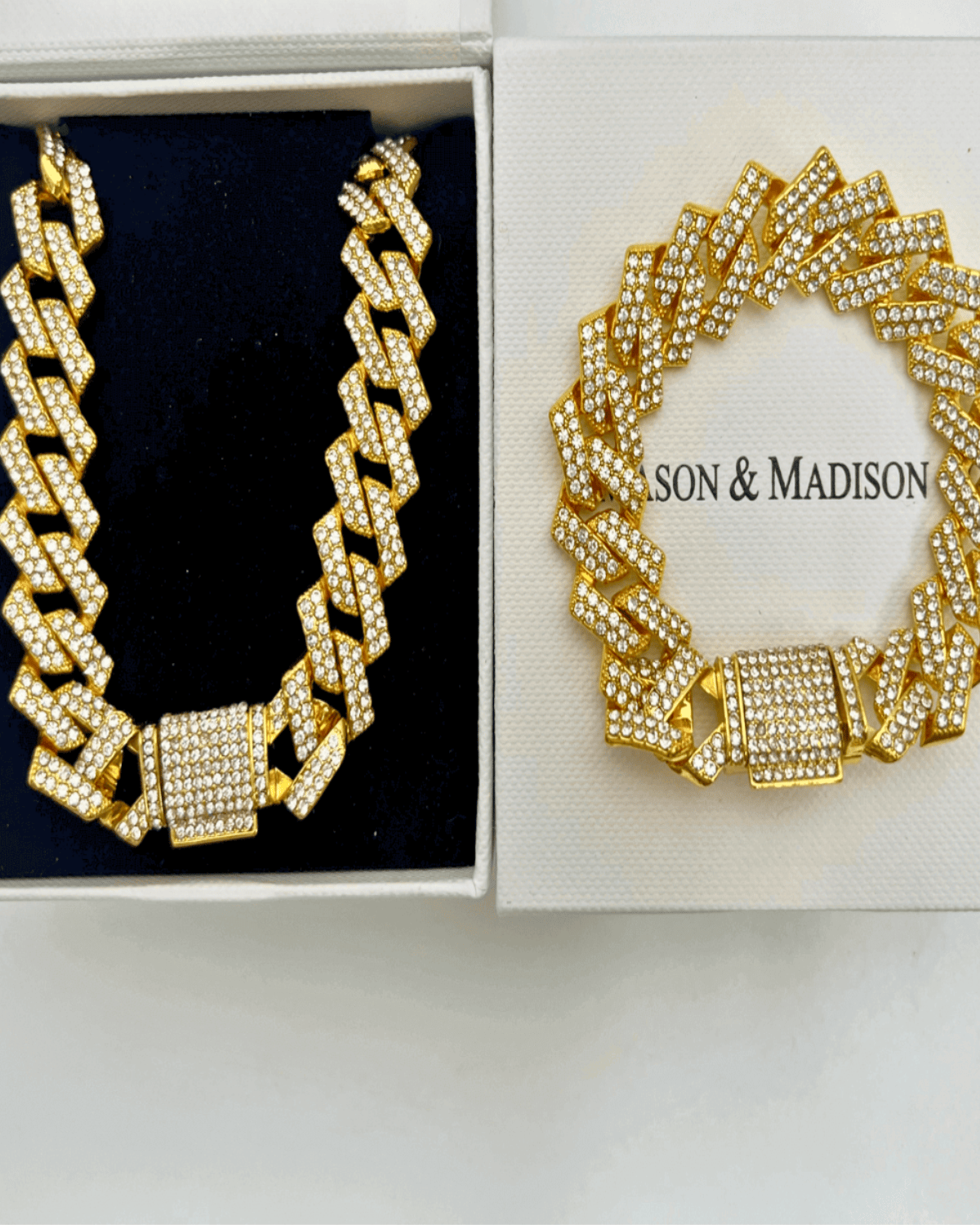
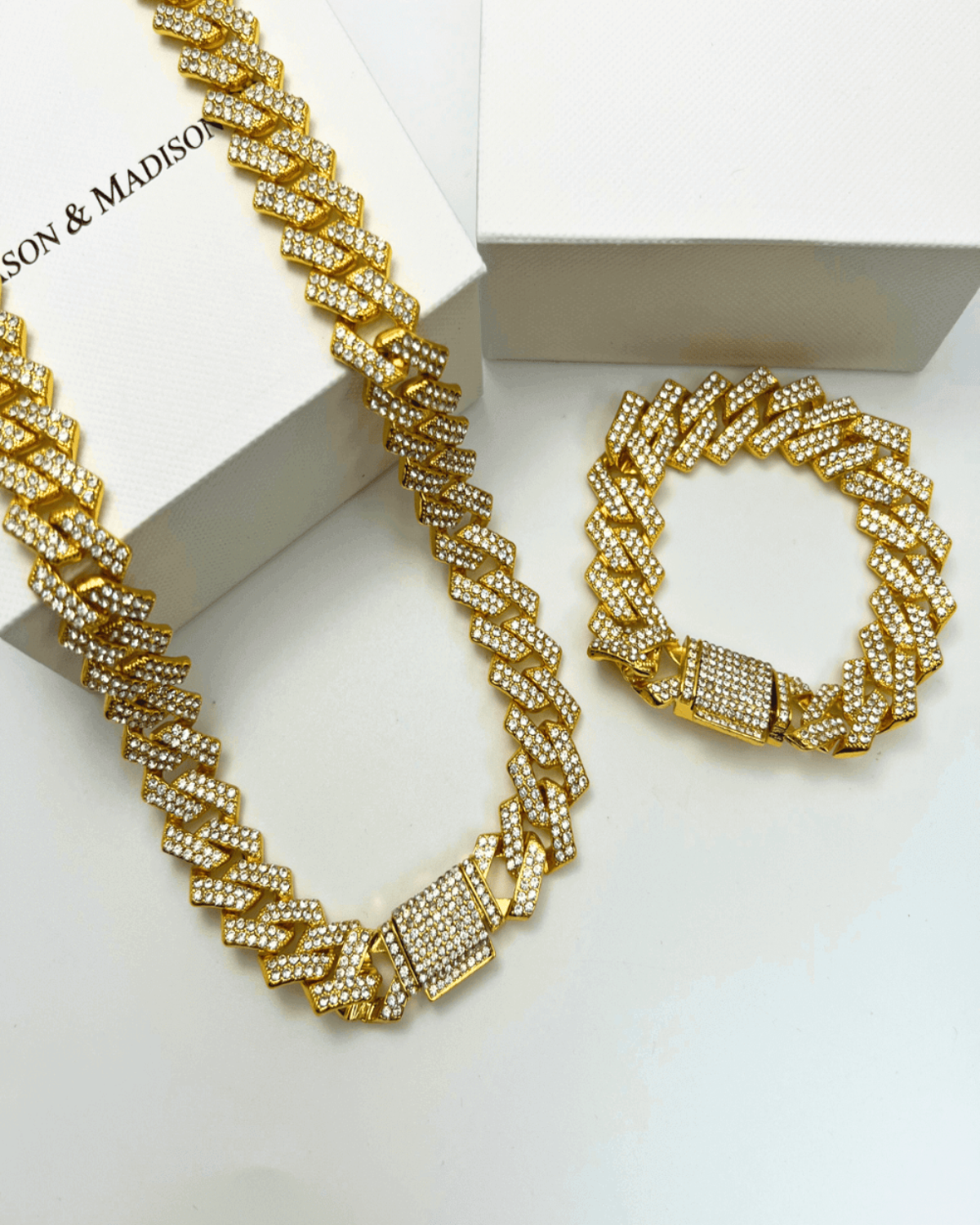
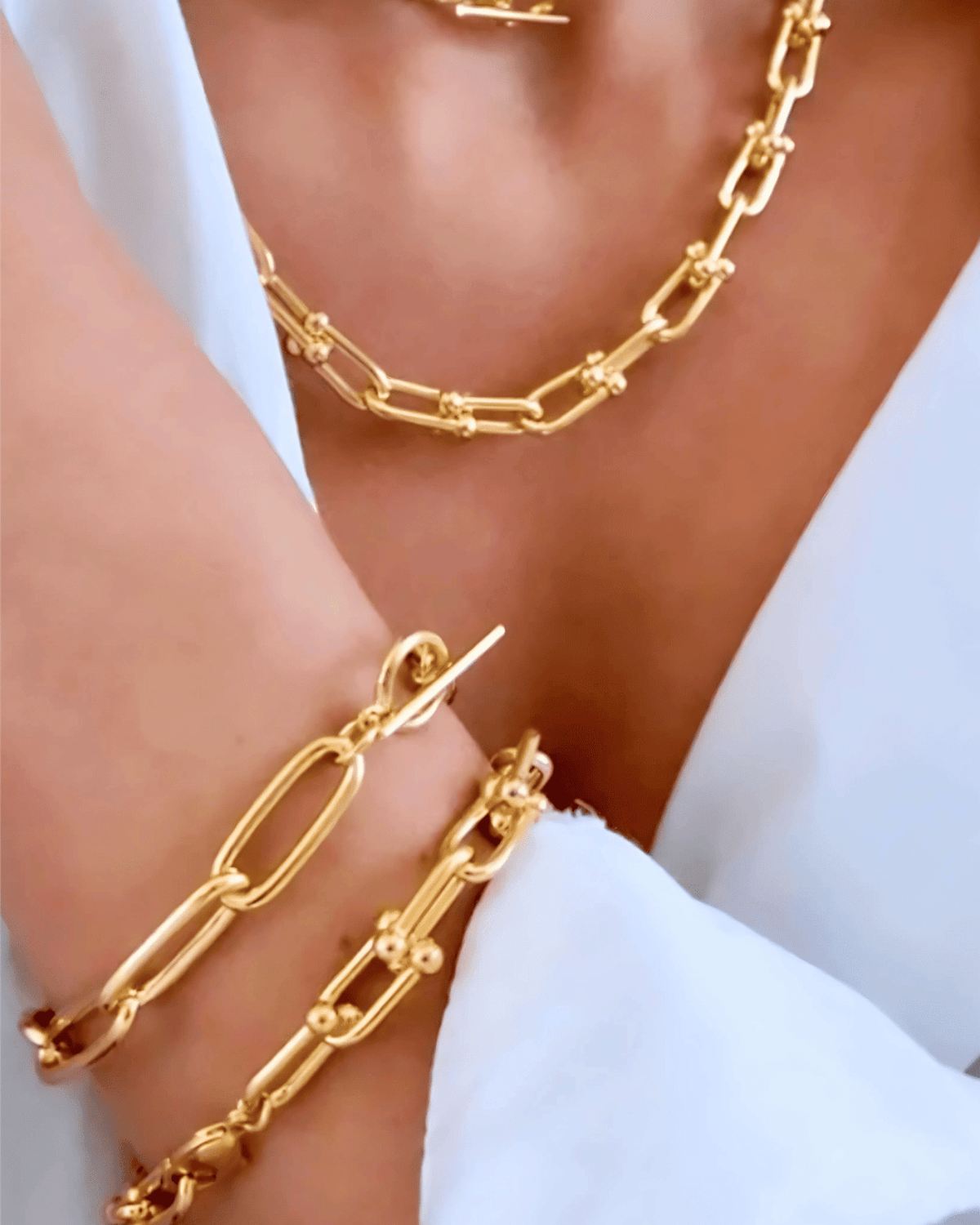
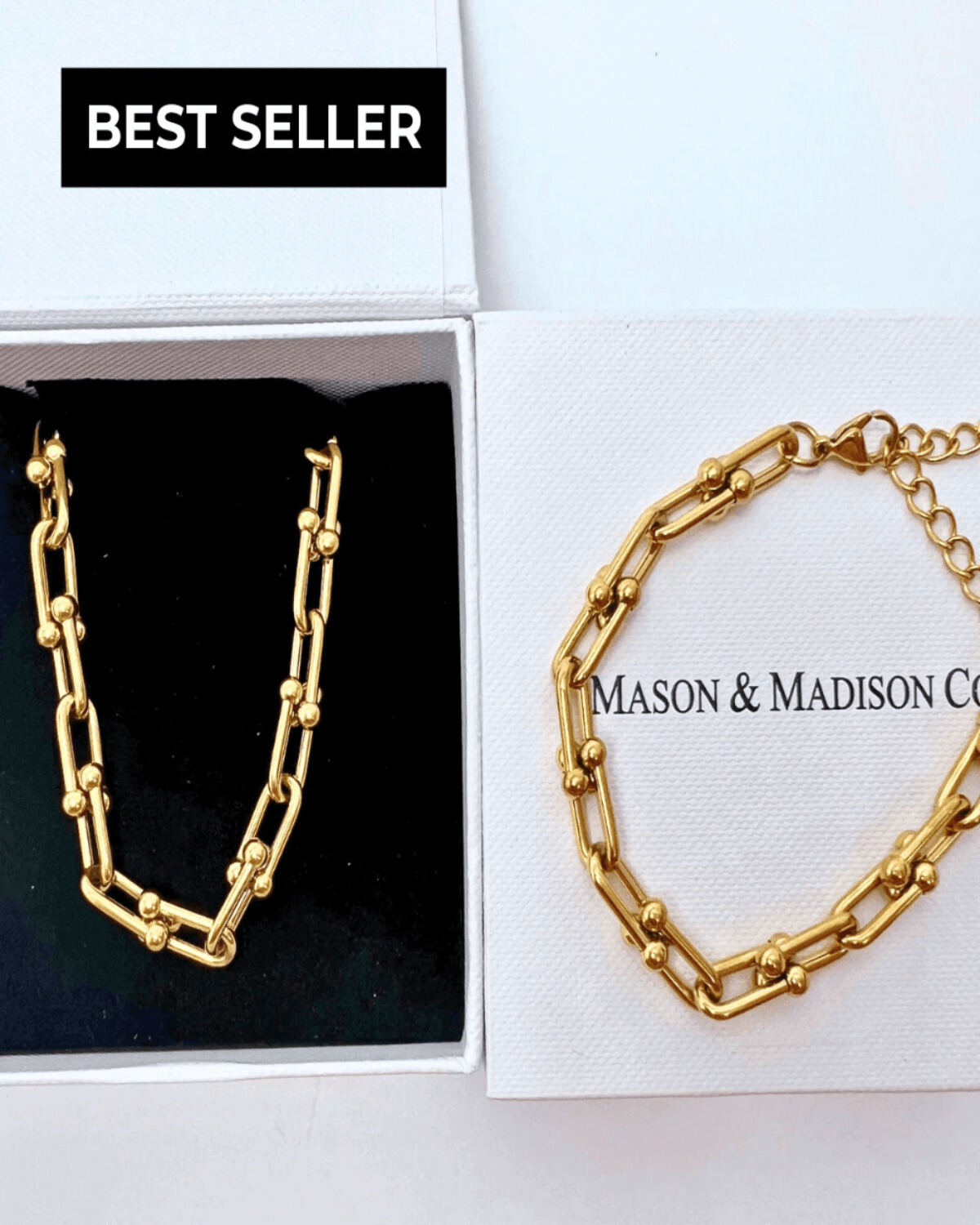
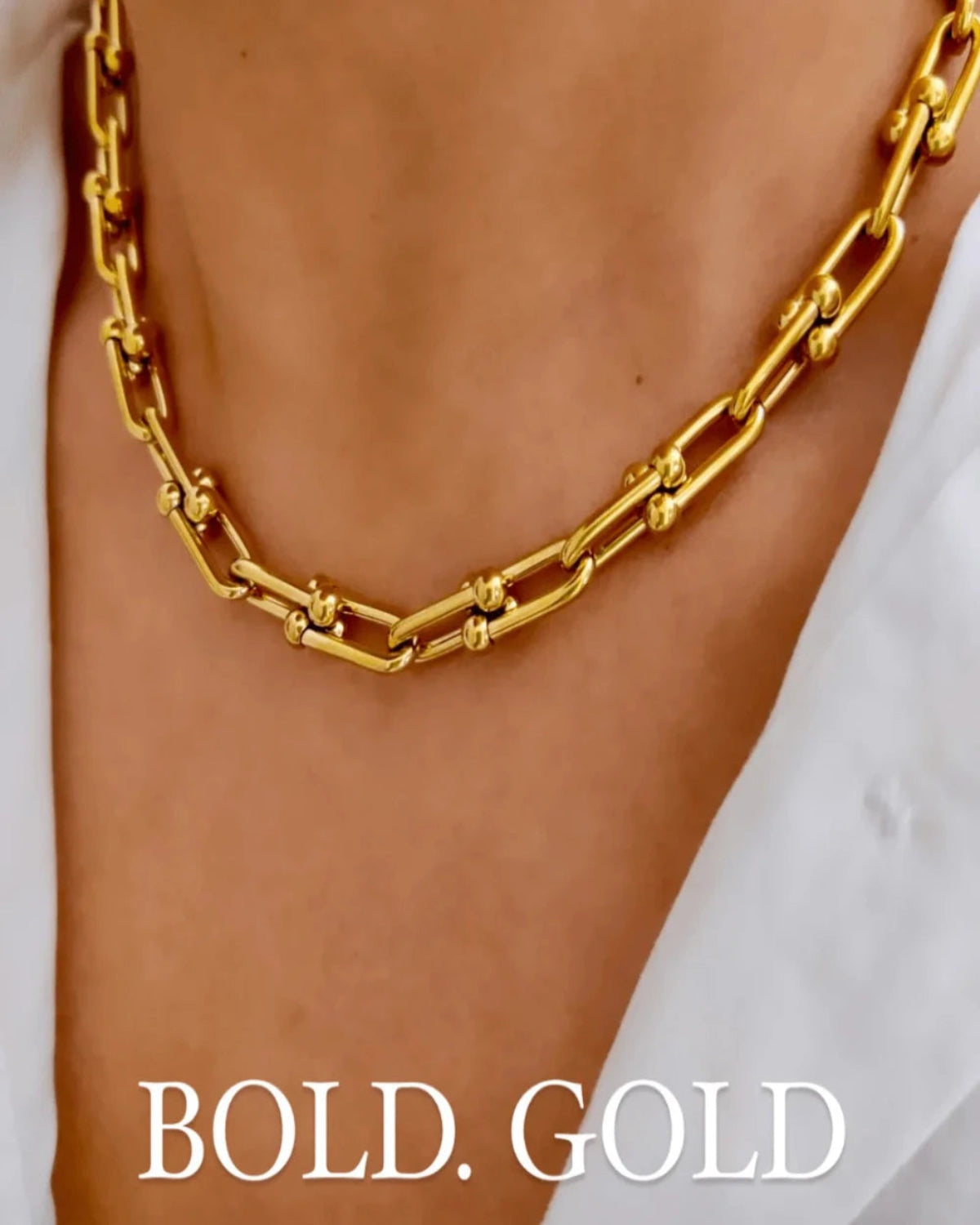
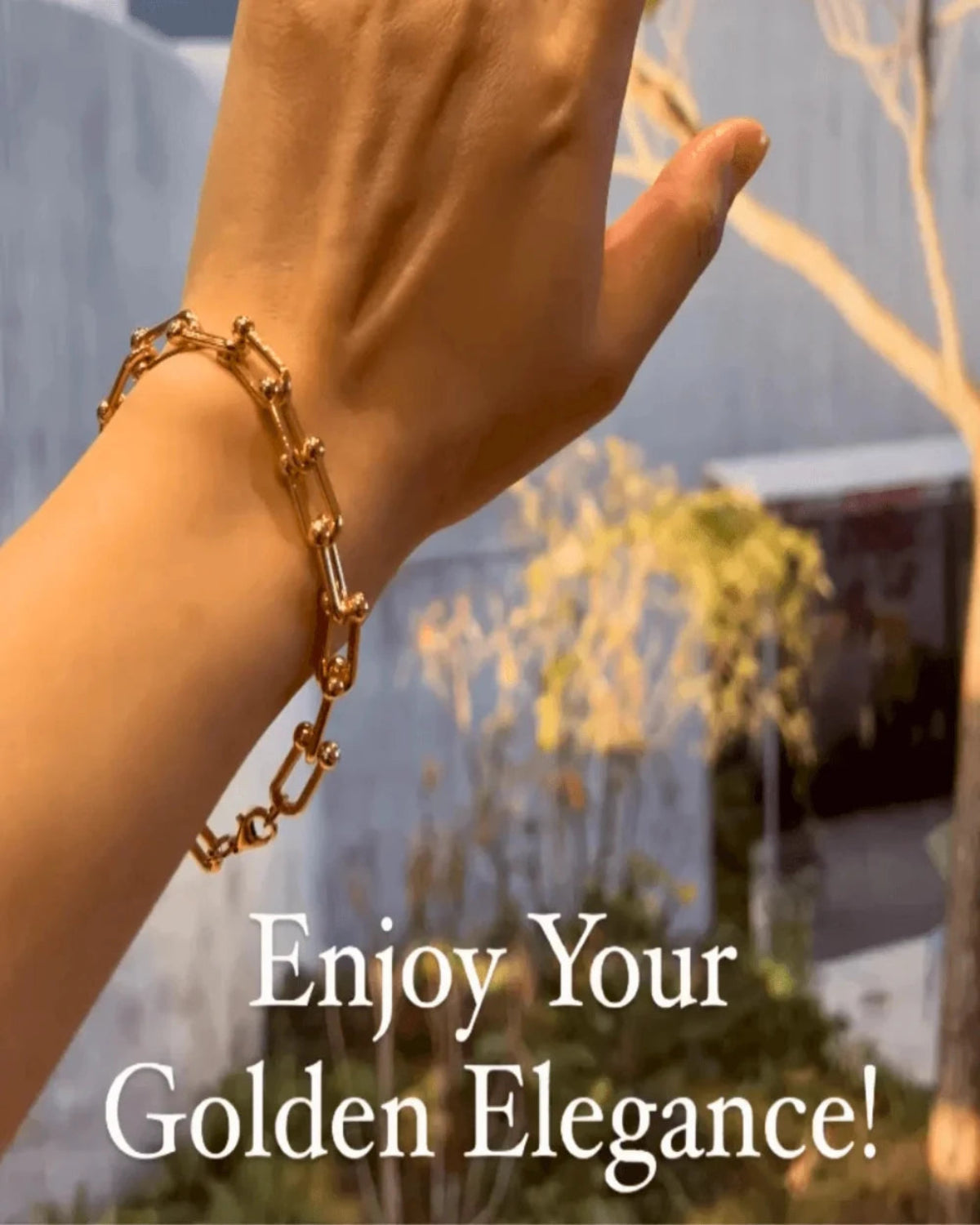
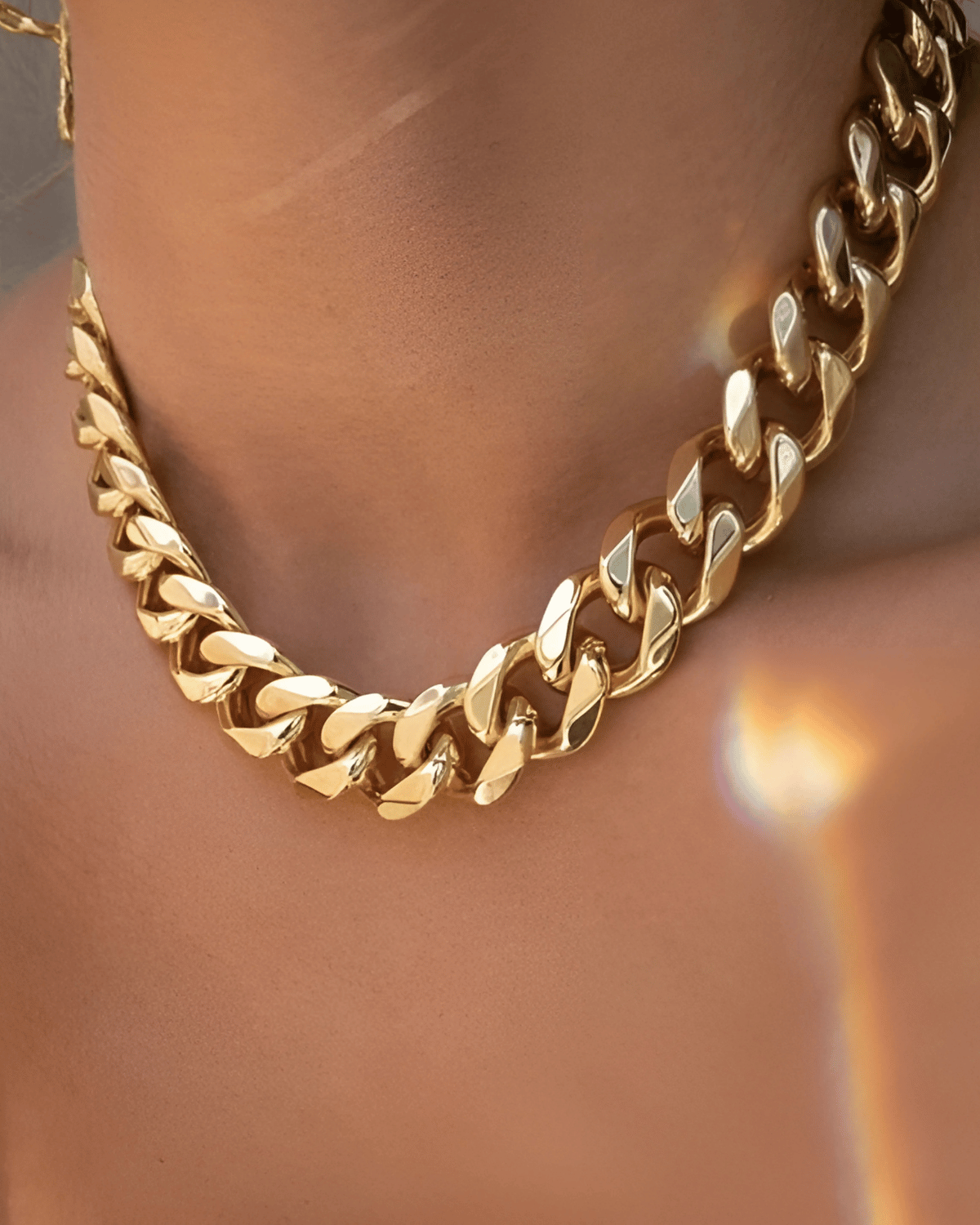


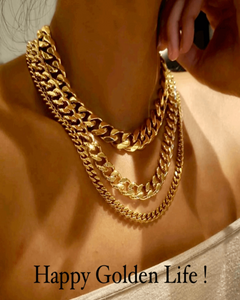
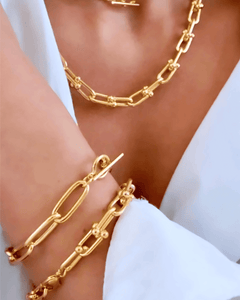

We have all been there: you buy a stunning gold necklace, wear it for a few weeks, and suddenly it looks like a dull, coppery shadow of its former self. In 2026, the term "Tarnish-Free" is plastered across every jewelry website, but consumers are smarter than ever. You want to know: Is this just a marketing buzzword, or is there such a thing as a "forever" piece that doesn't cost thousands?
At Mason & Madison, we believe in radical transparency. In this 3,000-word deep dive, we’re stripping away the jargon to explain the chemistry of fading, the hierarchy of gold quality, and why 18K Gold Vermeil is the disruptive hero of modern jewelry.
1. The Science of the "Fade": Why Does Jewelry Turn?
To understand if jewelry is truly tarnish-free, we must first understand what "tarnish" actually is.
The Oxidation Reaction
Most "fashion jewelry" uses a base of copper or brass. When these metals are exposed to oxygen, moisture, and even the natural oils on your skin, they undergo a chemical reaction called oxidation. This creates that greenish-black film we know as tarnish.
The Friction Factor
Even if a piece is "waterproof," it isn't necessarily "friction-proof." When you wear jewelry, it rubs against your skin and clothes. If the gold layer is too thin, it simply wears away, exposing the reactive metal underneath.
2. The Hierarchy of Gold: From "Flash" to "Vermeil"
Not all "tarnish-free" labels are created equal. To find jewelry that lasts, you need to look at the microns.
Standard Gold Plating (The "Flash" Finish)
Thickness: 0.1 to 0.5 microns.
Reality Check: This is a microscopic "dip" in gold. It looks great for two weeks, but will almost certainly fade within a month of regular wear.
Gold Filled
Thickness: A thick sheet of gold mechanically bonded to a base.
Reality Check: Highly durable, but often uses brass as a base, which can still cause skin reactions if the bond is compromised.
The Mason & Madison Standard: 18K Gold Vermeil
Thickness: At least 2.5 microns.
The Difference: To be legally called "Vermeil," the base must be 925 Sterling Silver, and the gold must be at least 2.5 microns thick. This is roughly 5 to 10 times thicker than standard plating. This thickness is what provides the "tarnish-free" barrier.
3. Will It Last a Lifetime? Managing Expectations
Does "tarnish-free" mean it will stay exactly the same in the year 2050?
The "Lifetime" vs. "Life-Proof" Distinction
Only Solid 18K Gold is truly elemental and will never change color, even if melted down. However, high-quality 18K Gold Vermeil is "Life-Proof." This means it is designed to withstand:
Daily showers and sweat.
Occasional pool or ocean dips.
Years of daily aesthetic brilliance.
While it may eventually require a professional re-plating after many years of heavy use, it is the only material that provides the Solid Gold look with a multi-year lifespan at an accessible price point.
4. How to Spot a "Marketing Lie"
If a brand claims "Tarnish-Free" but doesn't disclose these three things, walk away:
The Base Metal: If it’s "brass" or "alloy," it will tarnish eventually.
The Gold Purity: 18K gold is more resistant to scratches and fading than 14K in a plated setting.
The Micron Count: If they don't mention 2.5 microns, it’s just standard plating.
5. Maintenance 101: Extending the "Tarnish-Free" Life
Even the best jewelry in the world benefits from care. To ensure your Mason & Madison pieces last as long as possible:
The "Last On" Rule: Put your jewelry on after perfumes and lotions have dried.
Rinse After Salt: If you swim in the ocean, rinse your pieces with fresh water to remove corrosive salt.
Soft Storage: Store pieces in individual pouches to avoid scratches that can "chip" the gold barrier.
6. Advanced FAQ
Q: Does "Waterproof" mean I can wear it 24/7?
A: Yes, our 18K Gold Vermeil is designed for the modern woman who doesn't want to take her jewelry off. However, we recommend taking it off for activities with high abrasion (like rock climbing or heavy lifting) to protect the physical integrity of the gold layer.
Q: Why does my "tarnish-free" jewelry look dull?
A: Often, what looks like tarnishing is actually just buildup. Lotions, soaps, and skin oils can create a film on the surface. A simple clean with warm water and a soft cloth usually brings back the original 18K glow instantly.
Q: Is 18K gold better for sensitive skin than 14K?
A: Yes. Higher gold content means fewer alloys. For those with nickel allergies, our 18K Gold Vermeil over 925 Sterling Silver is the safest "non-solid gold" option on the market.
Q: Can I wear Mason & Madison in the gym?
A: Absolutely. Our bonding process is designed to resist the acidity of sweat. Just remember to wipe it down afterward to remove salt deposits.
Q: What is PVD coating, and is it better than Vermeil?
A: PVD (Physical Vapor Deposition) is often used on stainless steel. It is extremely durable and waterproof. However, Vermeil (on sterling silver) is considered "fine jewelry" because it uses only precious metals. For those wanting a luxury feel and a "real gold" weight, Vermeil is the superior choice.
Q: Does tarnish-free jewelry turn skin green?
A: No. Green skin is caused by copper oxidation. Because Mason & Madison uses 18K gold over 925 Sterling Silver (and is nickel/copper-free), you will never experience the "green neck" effect.
Q: How do I know when it’s time to replace my jewelry?
A: If you see a grayish or silverish color peeking through the gold after years of wear, the gold layer has thinned. The beauty of Vermeil is that it can actually be re-plated by a jeweler, unlike cheap alloy pieces which are disposable.
Q: Is tarnish-free jewelry eco-friendly?
A: Yes, in terms of sustainability through longevity. Disposable "fast jewelry" that tarnishes in a week ends up in landfills. Buying high-quality Vermeil that lasts for years reduces waste.
Q: Why is 18K Gold Vermeil more expensive than "Gold Plated"?
A: You are paying for the amount of gold. A 2.5-micron layer is a significant amount of real 18K gold. You are also paying for the 925 Sterling Silver base, which is a precious metal with intrinsic value.
Q: Does the "Tarnish-Free" guarantee cover scratches?
A: "Tarnish-free" refers to the chemical color change of the metal. While the color won't fade, gold is a soft metal and can develop "character scratches" over time—this is normal for all high-quality jewelry, including solid gold.
Investing in Your Glow
In 2026, the answer to "Does tarnish-free mean forever?" is a nuanced one. While no plated piece is eternal in the way solid gold is, 18K Gold Vermeil is the closest we have ever come to a lifetime material at an accessible price.
When you buy from Mason & Madison, you aren't just buying a trend. You are buying a piece engineered to survive your showers, your workouts, and your busiest days.
Explore the Mason & Madison 18K Gold Vermeil Collection — Jewelry That Stays Gold