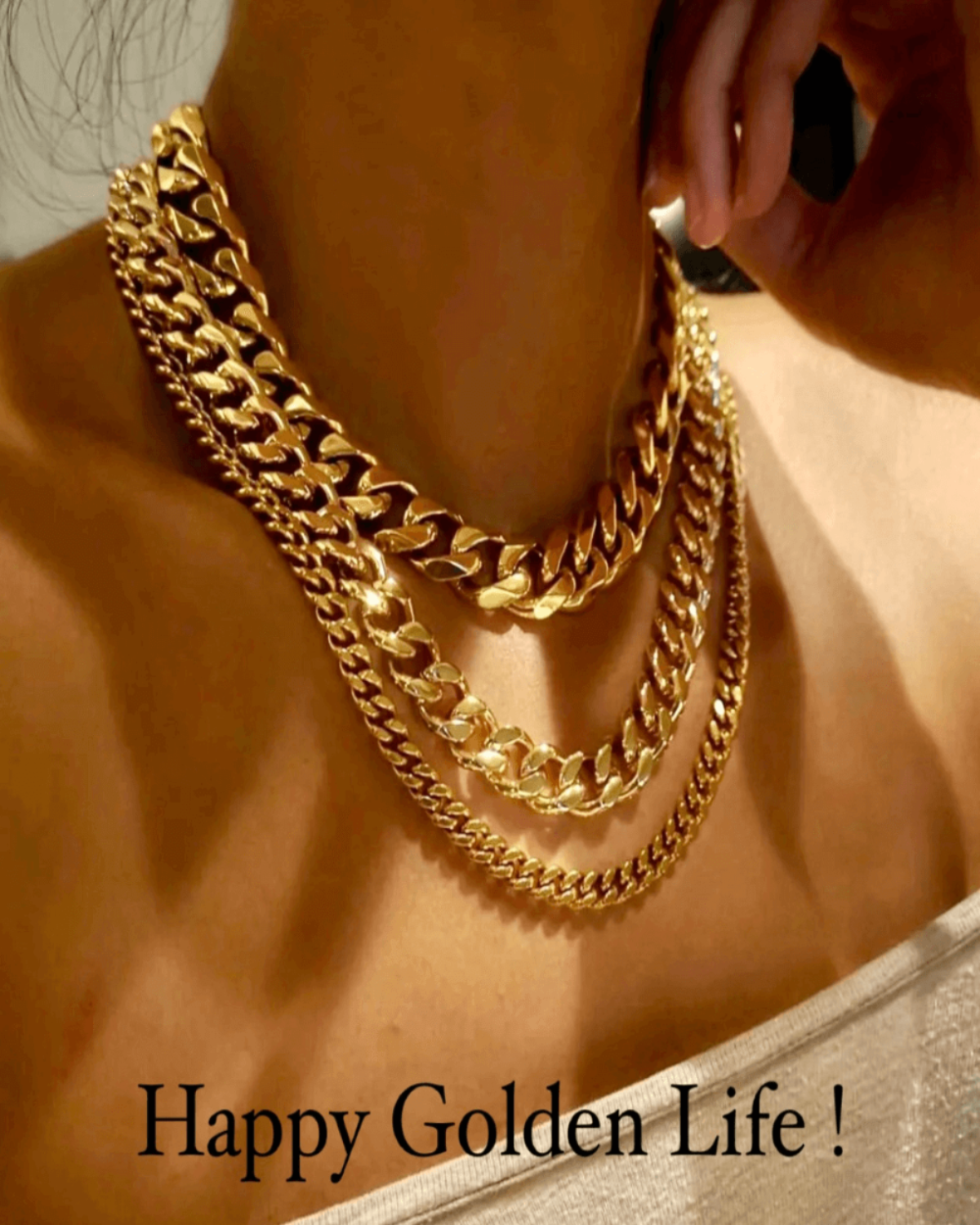
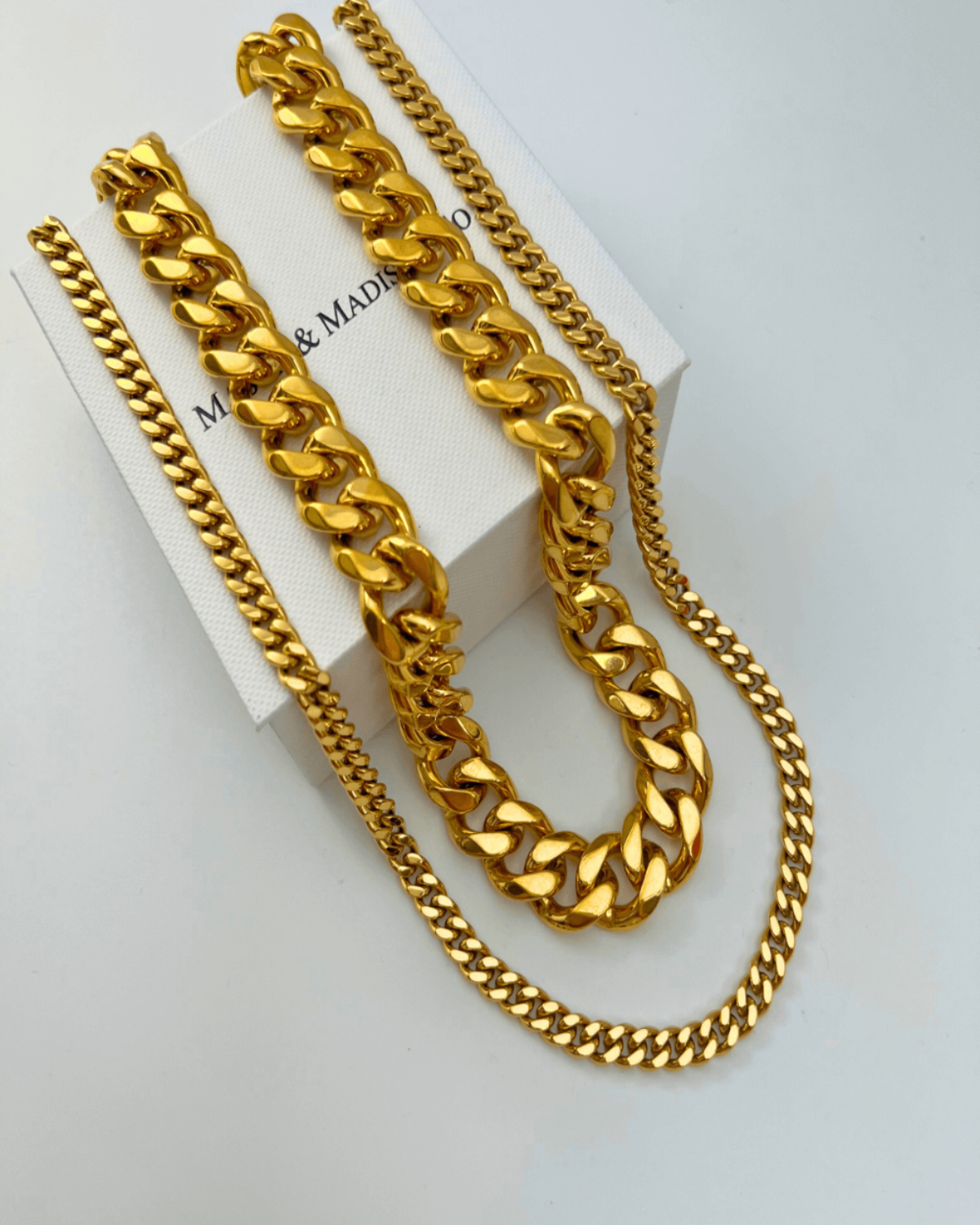
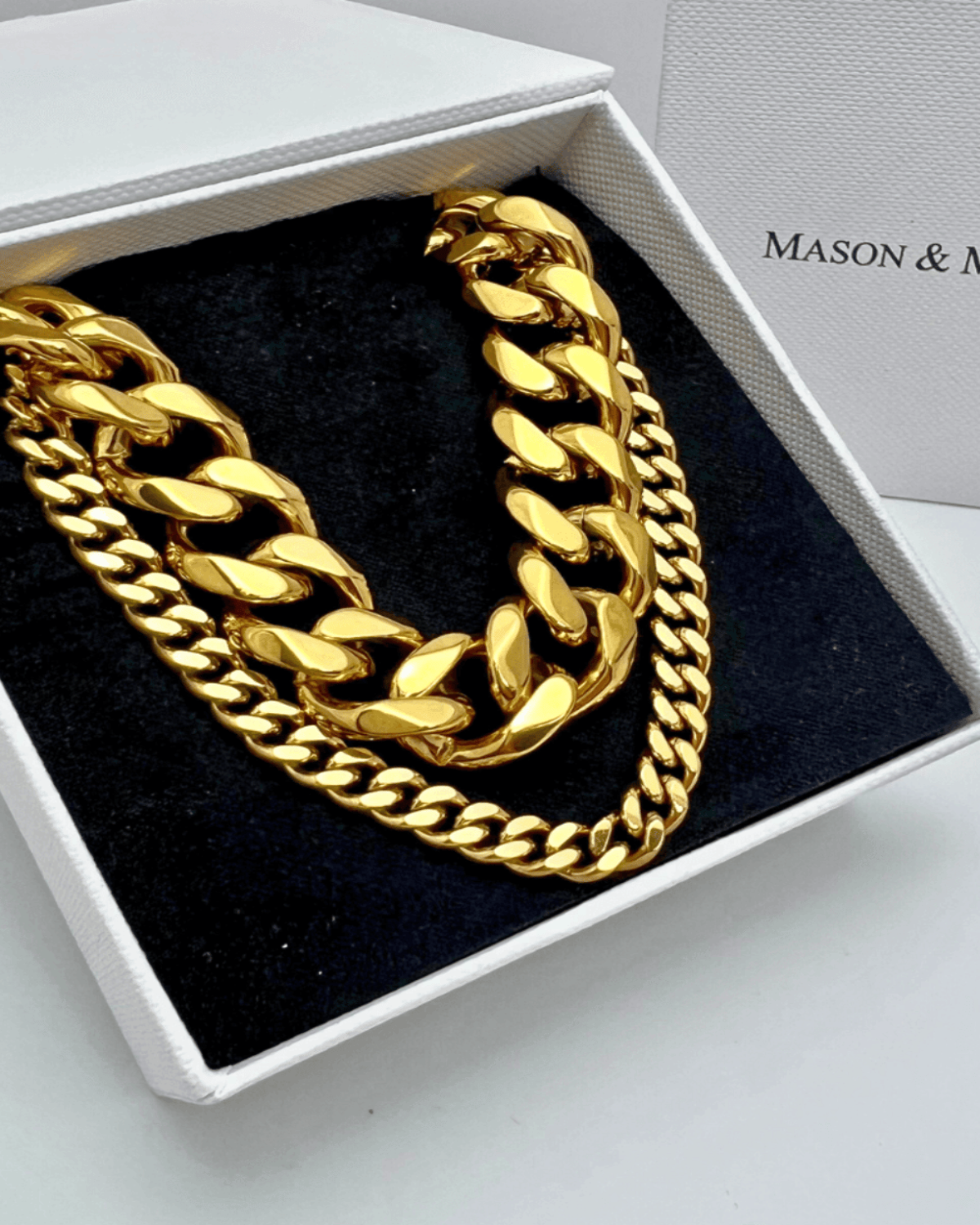
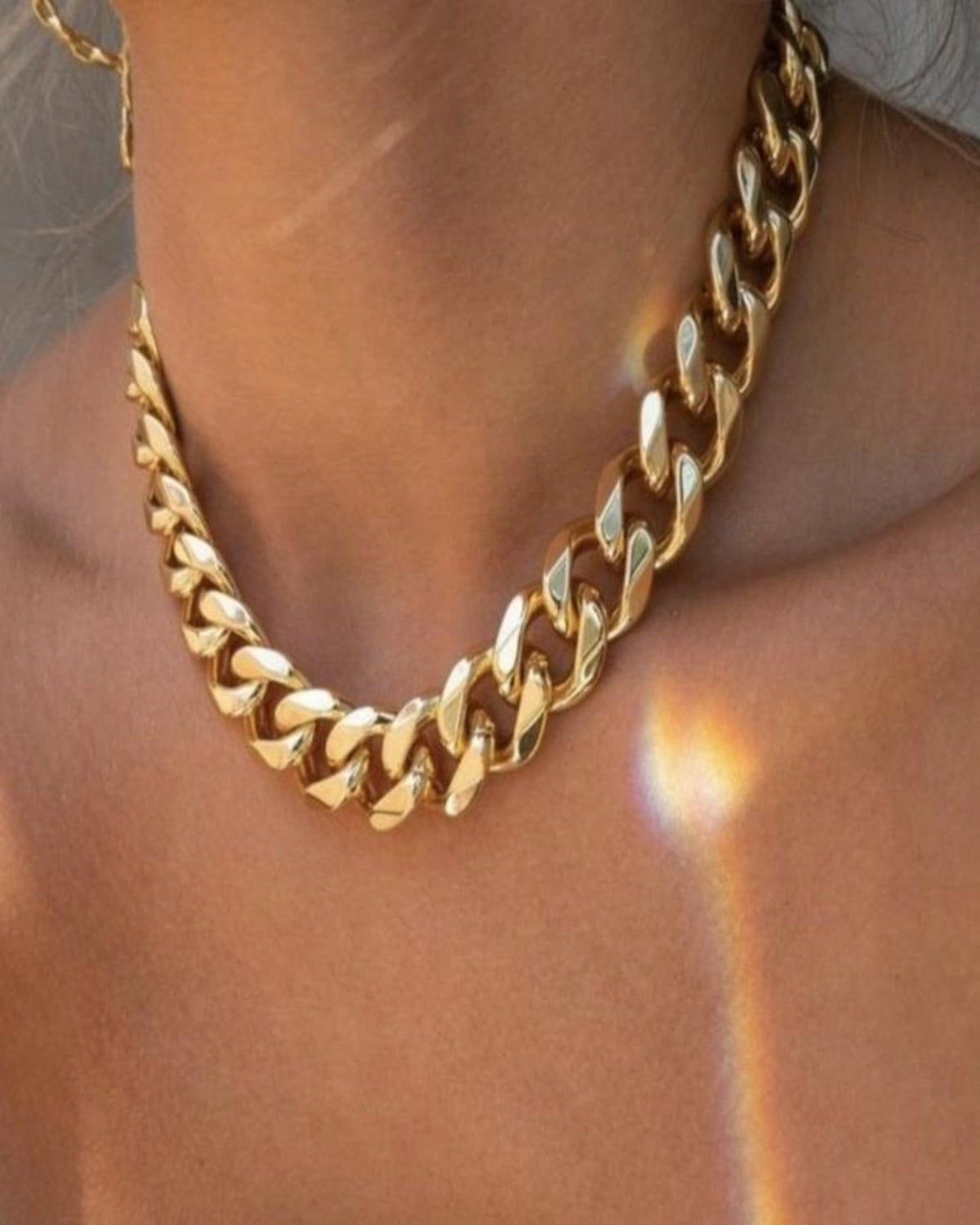
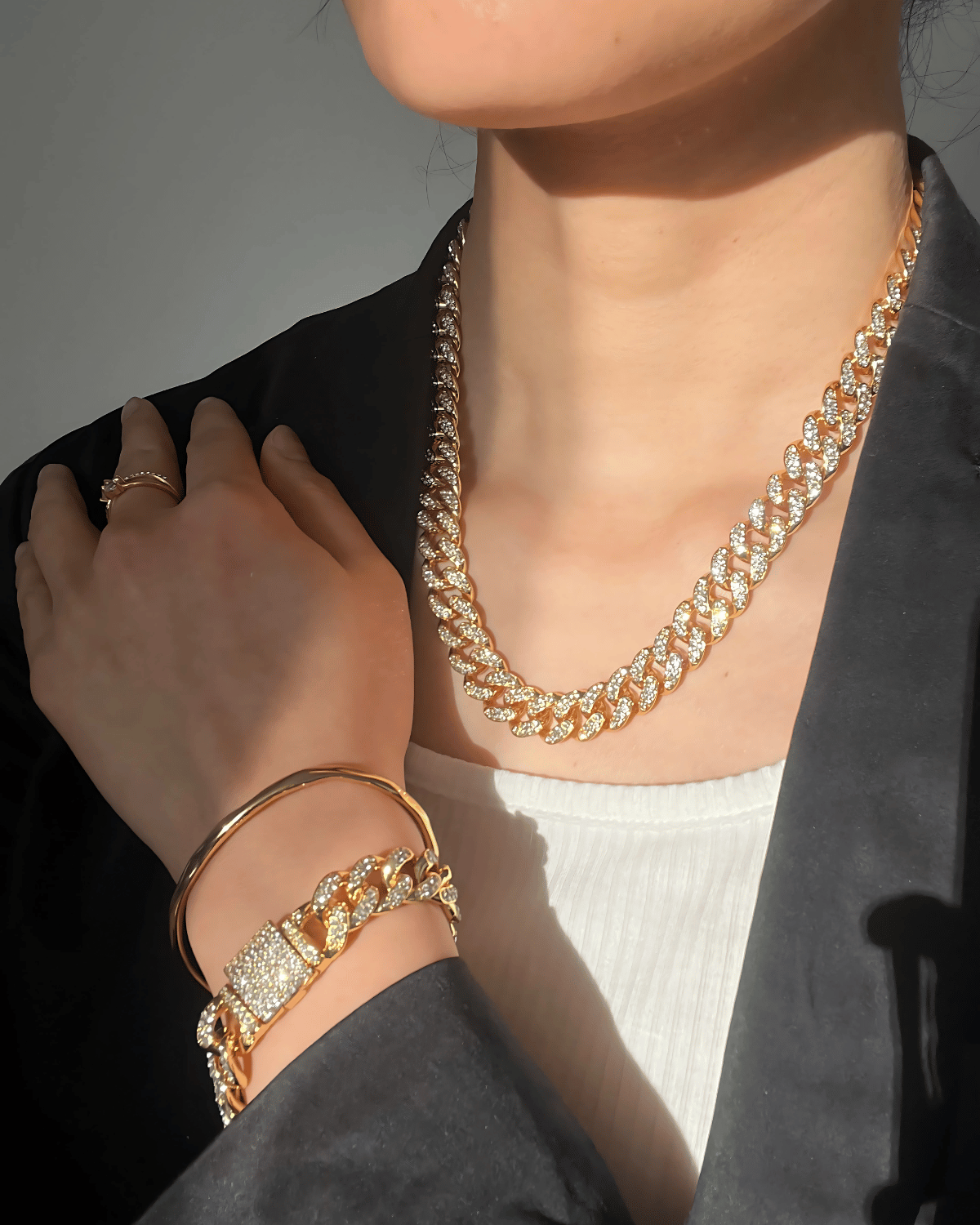

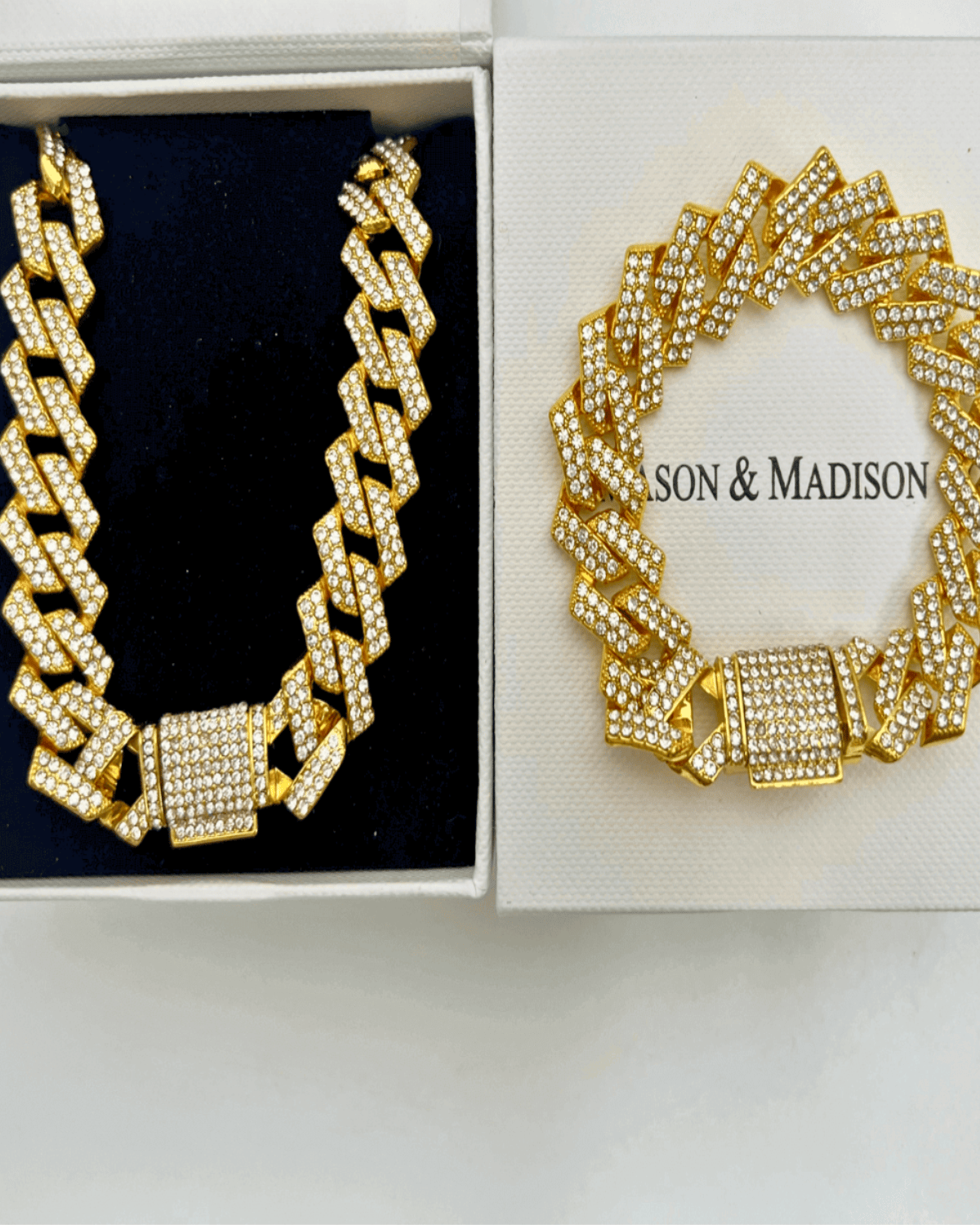
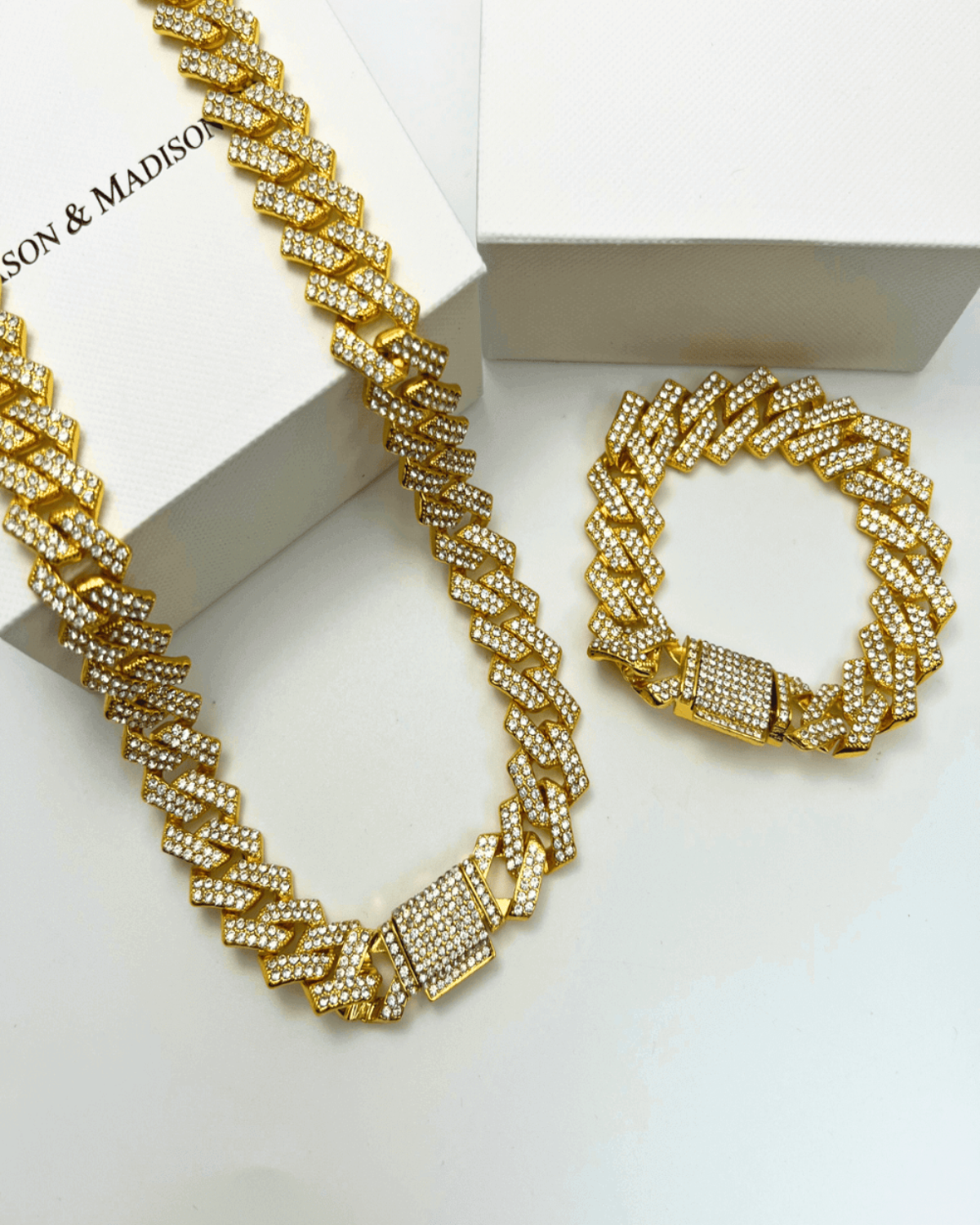
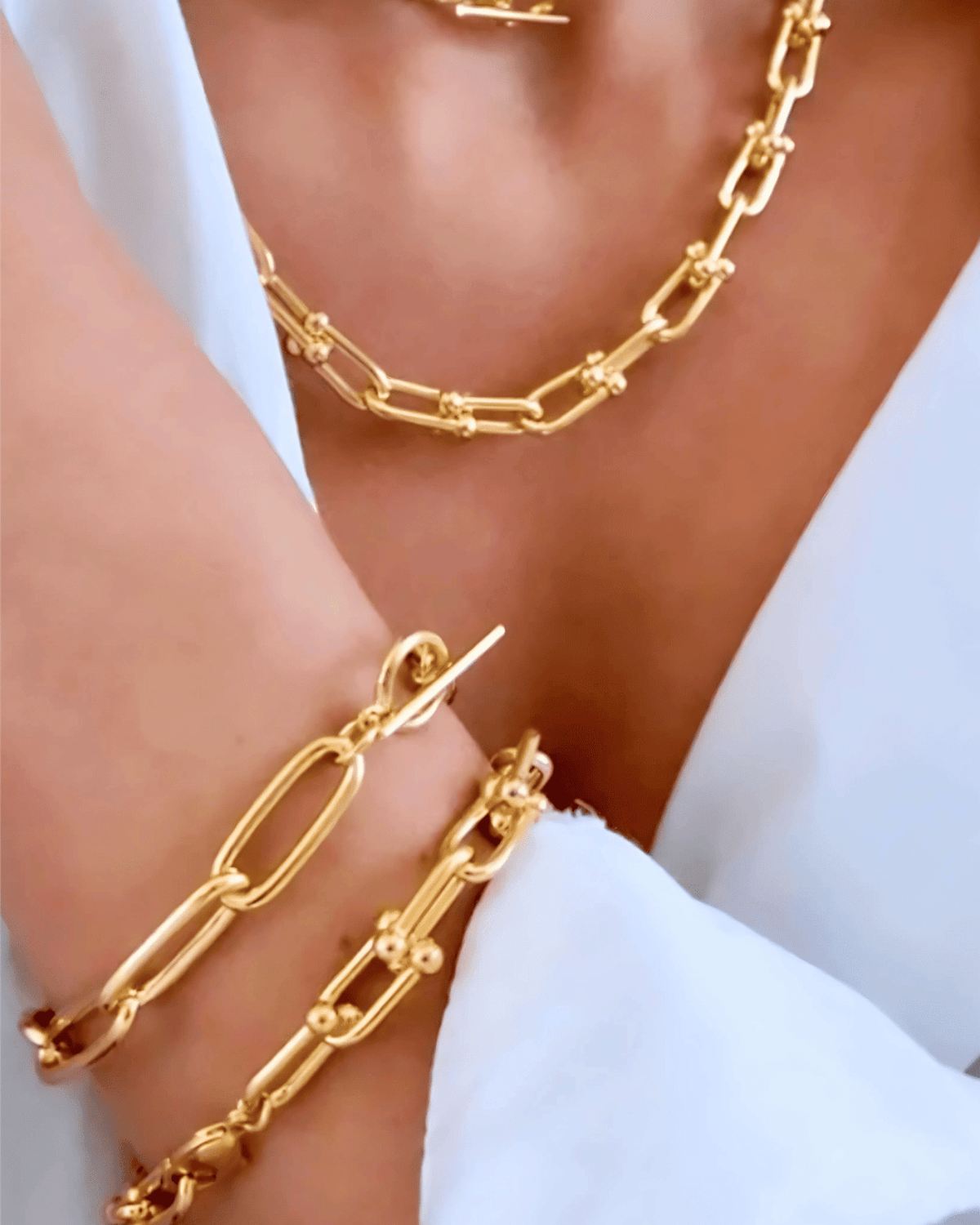
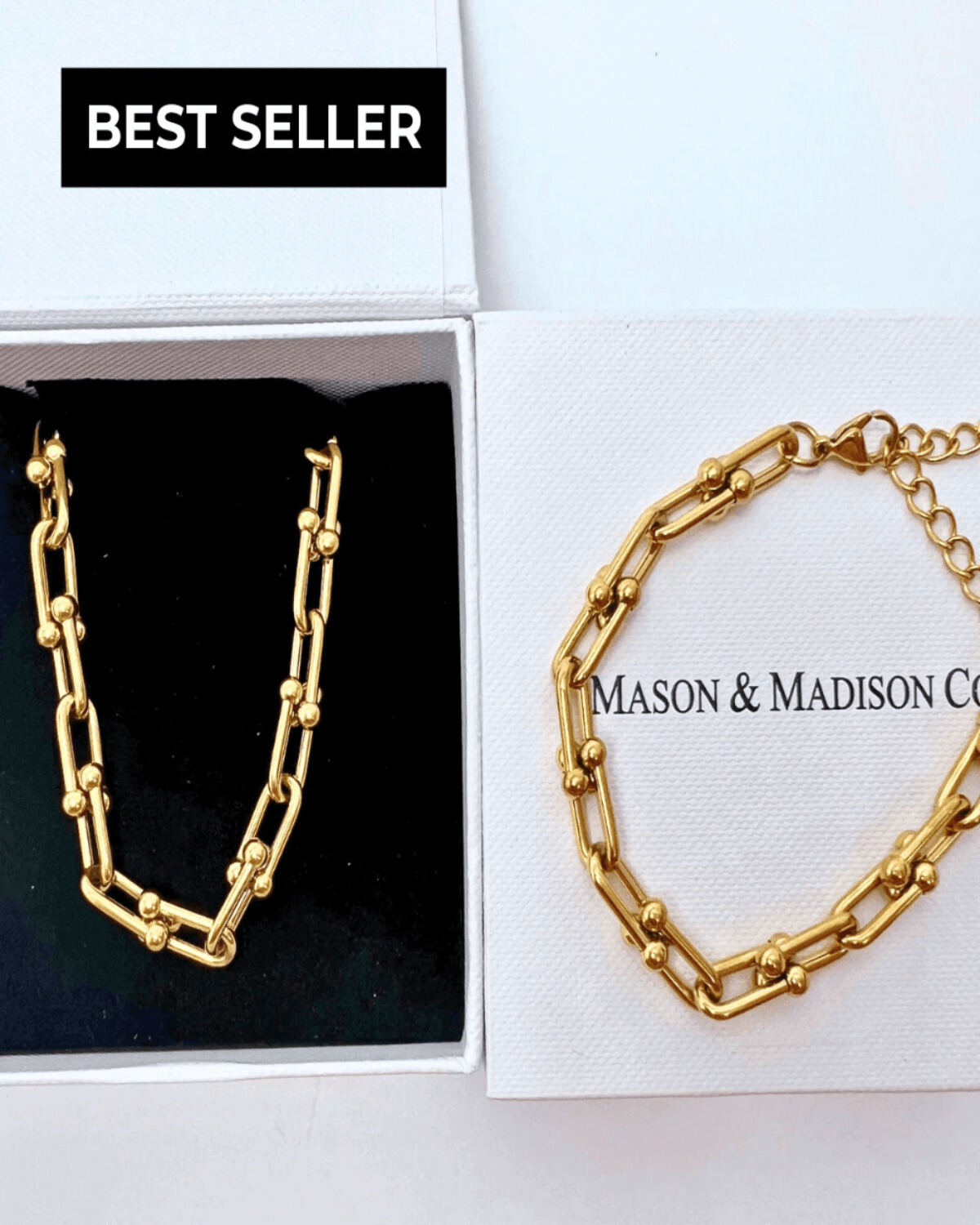
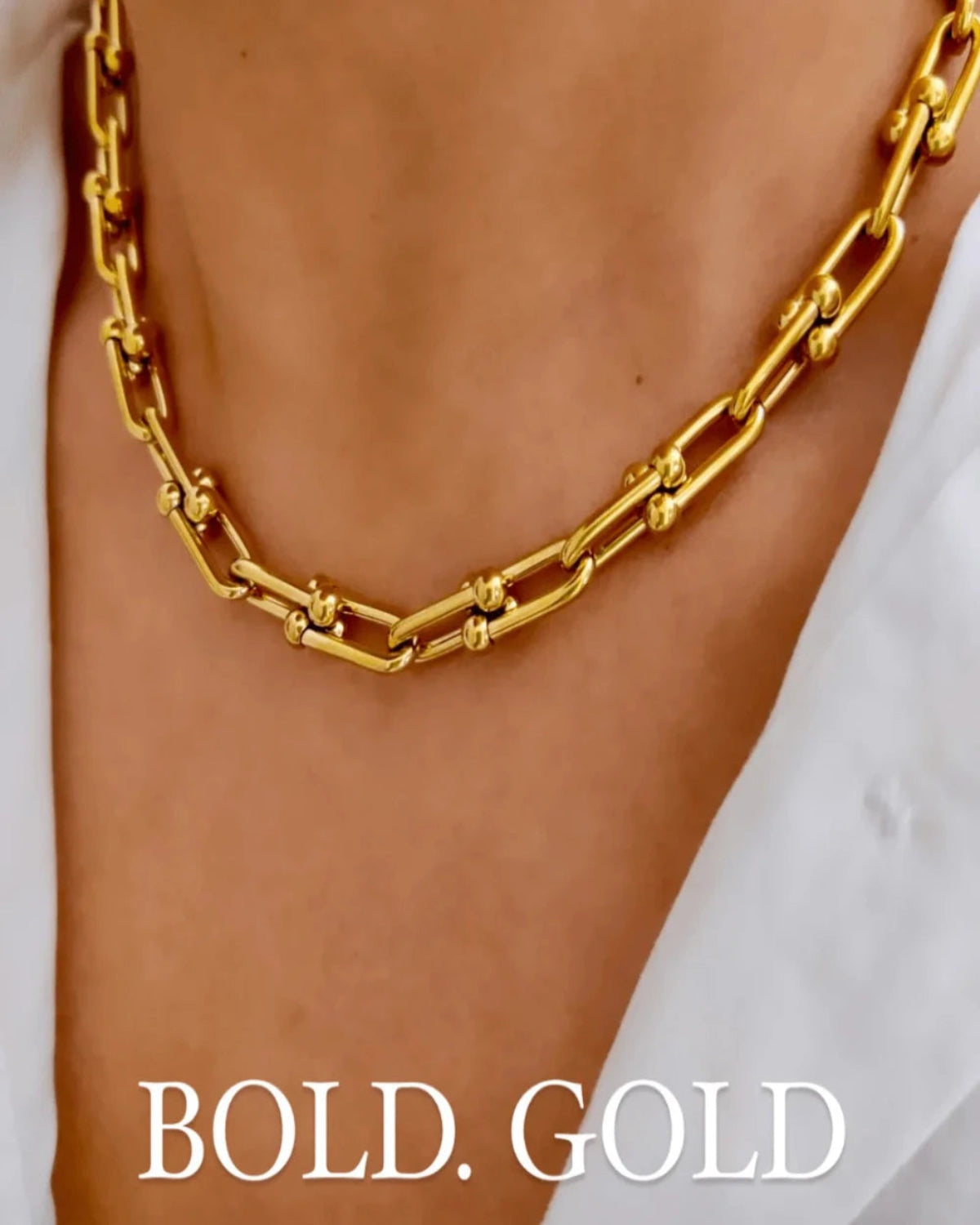
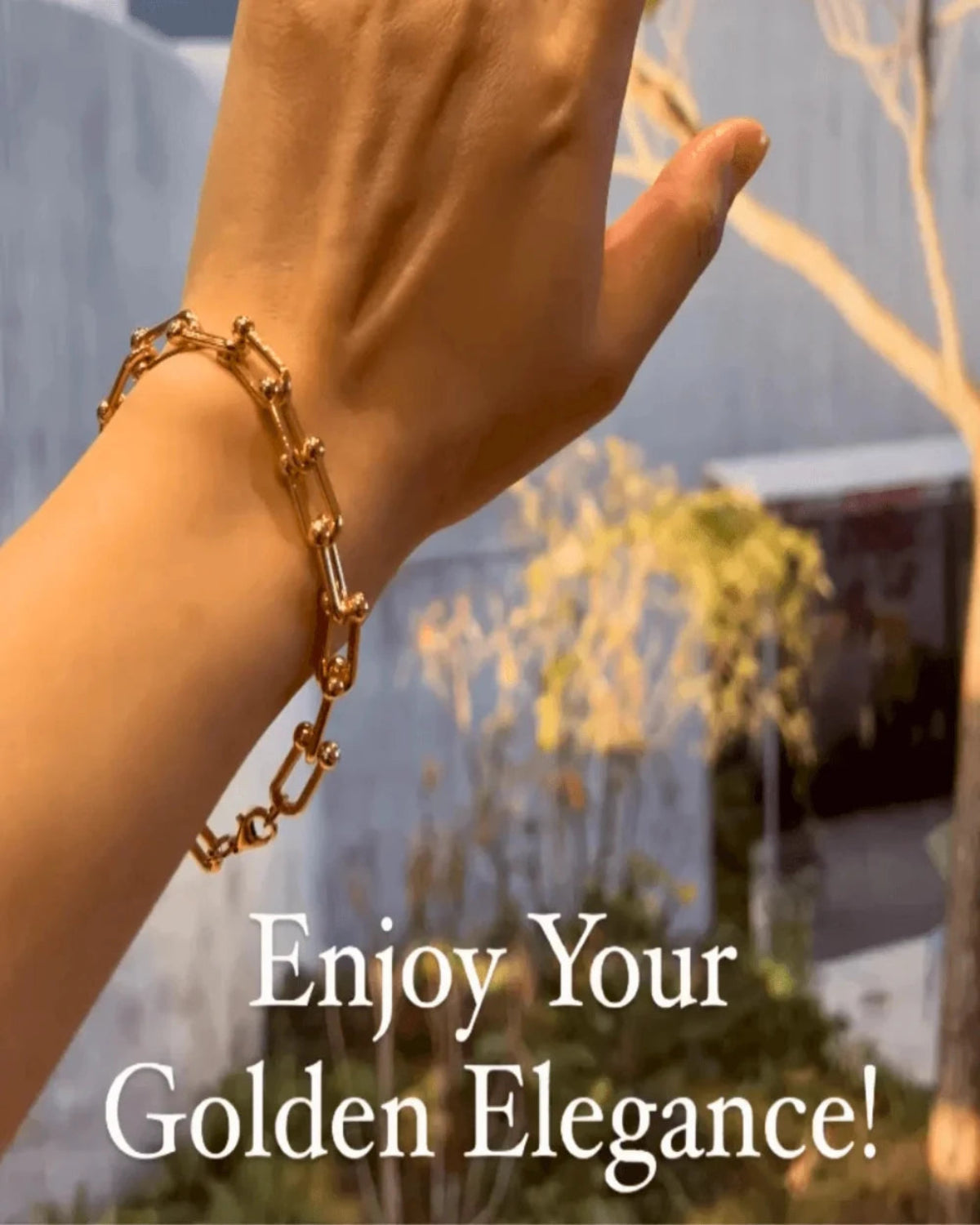
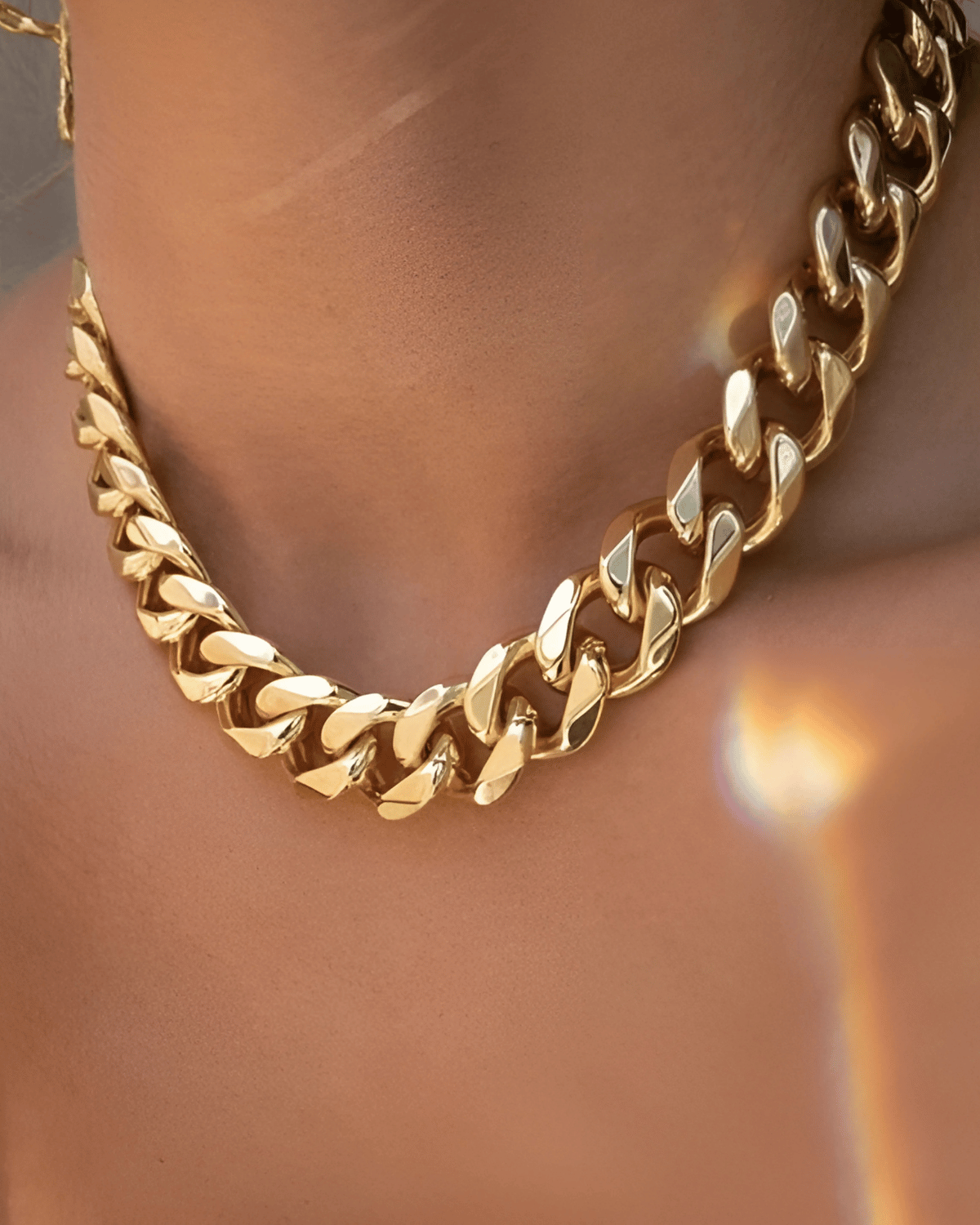

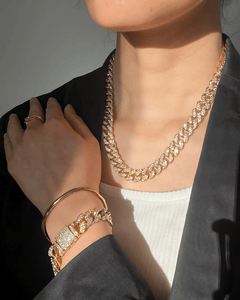

There are few daily frustrations in modern personal styling quite as disappointing as buying a shimmering gold necklace, only to watch it fade into a dull, muddy green-brown after a few workouts, showers, or ocean swims. Historically, fashion jewelry carried an implicit compromise: it was either affordable but fragile, or durable but prohibitively expensive fine gold that created anxiety around theft and loss during travel.
In 2026, that compromise has permanently vanished. A seismic shift has reshaped the global accessories market: the explosive rise of the waterproof jewelry trend. Modern women, active professionals, and jet-setting travelers are demanding accessories that align with dynamic, 24/7 lifestyles. The traditional routine of removing rings before washing hands, unbuttoning chains before taking a shower, or taking off stud earrings before stepping into a gym sauna is completely obsolete.
Driven by advances in vacuum coating metallurgy, sustainable material engineering, and a growing consumer preference for "functional luxury," the global waterproof jewelry market reached over $2 billion in value, with forecasts projecting steady expansion through 2034. Consumers no longer view waterproof accessories as a niche summer resort item; they view them as an essential, non-negotiable wardrobe staple.
However, navigating the digital marketplace for truly tarnish-free accessories can feel like walking through a landscape of confusing marketing buzzwords. Brands regularly broadcast terms like "water-resistant," "tarnish-resistant," or "shower-proof," yet millions of buyers still experience skin rashes, flaking coatings, and green discoloration within weeks.
This comprehensive, science-backed master guide provides an exhaustive exploration of the material physics, Physical Vapor Deposition (PVD) vacuum technology, and style curation logic driving the waterproof jewelry trend. Whether you are curating a non-tarnish capsule set for daily wear or seeking durable pieces for your next beach getaway, this guide gives you the exact blueprint to make smart, high-value purchases that guarantee lifetime brilliance.
1. The Science Behind the Trend: Metallurgy & Oxidation Explained
To understand why the waterproof jewelry trend is reshaping consumer preferences, we must examine the chemistry of traditional fashion accessories under environmental stress. What happens at a molecular level when metals encounter moisture, body sweat, ocean saltwater, and chlorinated pool water?
The Oxidation Reality: Why Fast-Fashion Jewelry Turns Skin Green
When inexpensive fashion jewelry leaves a dark green or gray ring around your finger or neck, it is not a random cosmetic flaw—it is a direct chemical reaction called oxidation.
The Reactive Base: Low-tier fashion jewelry relies on inexpensive base metals such as brass, copper, zinc alloys, or iron.
The Chemical Catalyst: Human sweat contains sodium chloride, lactic acid, and acidic uric acid compounds. When ambient moisture and sweat mix with atmospheric oxygen, the copper atoms inside brass or cheap alloys rapidly release electrons.
The Corrosion Compound: This chemical reaction forms copper carbonate ($CuCO_3$), a bright green, chalky residue.
Skin Transfer: When copper carbonate transfers onto warm, moist skin, it leaves a noticeable green mark and frequently triggers allergic contact dermatitis, itching, and redness.
The Material Anatomy: Flash Plating vs. Gold Vermeil vs. PVD Titanium
Not all gold accessories share the same internal engineering. Understanding the material spectrum reveals why certain pieces tarnish in days while others retain their luster through years of daily wear:
1. Standard Flash Plating (The Fast-Fashion Pitfall)
Structure: A micro-thin layer of gold (often under 0.05 to 0.1 microns) electroplated onto a base metal core like brass or zinc.
Water Performance: Extremely Poor. Physical friction and exposure to water degrade the microscopic gold film within days. The underlying brass oxidizes quickly, leaving green residue on the skin.
2. Gold-Filled Construction (The Mid-Tier Compromise)
Structure: A layer of gold alloy mechanically bonded under heat and pressure to an inner brass core (required by law to represent at least 5% of the item's total weight).
Water Performance: Moderate. Considerably more resilient than standard plating. However, because the core is non-precious brass, deep surface scratches from daily wear can expose the inner metal to moisture, eventually causing corrosion.
3. Certified Gold Vermeil (The Fine Jewelry Standard)
Structure: A strictly regulated precious metal pairing featuring a solid core of 925 Sterling Silver covered by a thick exterior layer of pure gold at a minimum thickness of 2.5 microns.
Water Performance: Excellent. Pairing two precious metals (925 Silver and pure Gold) creates a hypoallergenic, nickel-free foundation. While long-term pool chlorine exposure benefits from a quick freshwater rinse, Gold Vermeil remains a premier choice for accessible fine jewelry.
4. PVD (Physical Vapor Deposition) Titanium & 316L Steel (The Ultimate Modern Waterproof Technology)
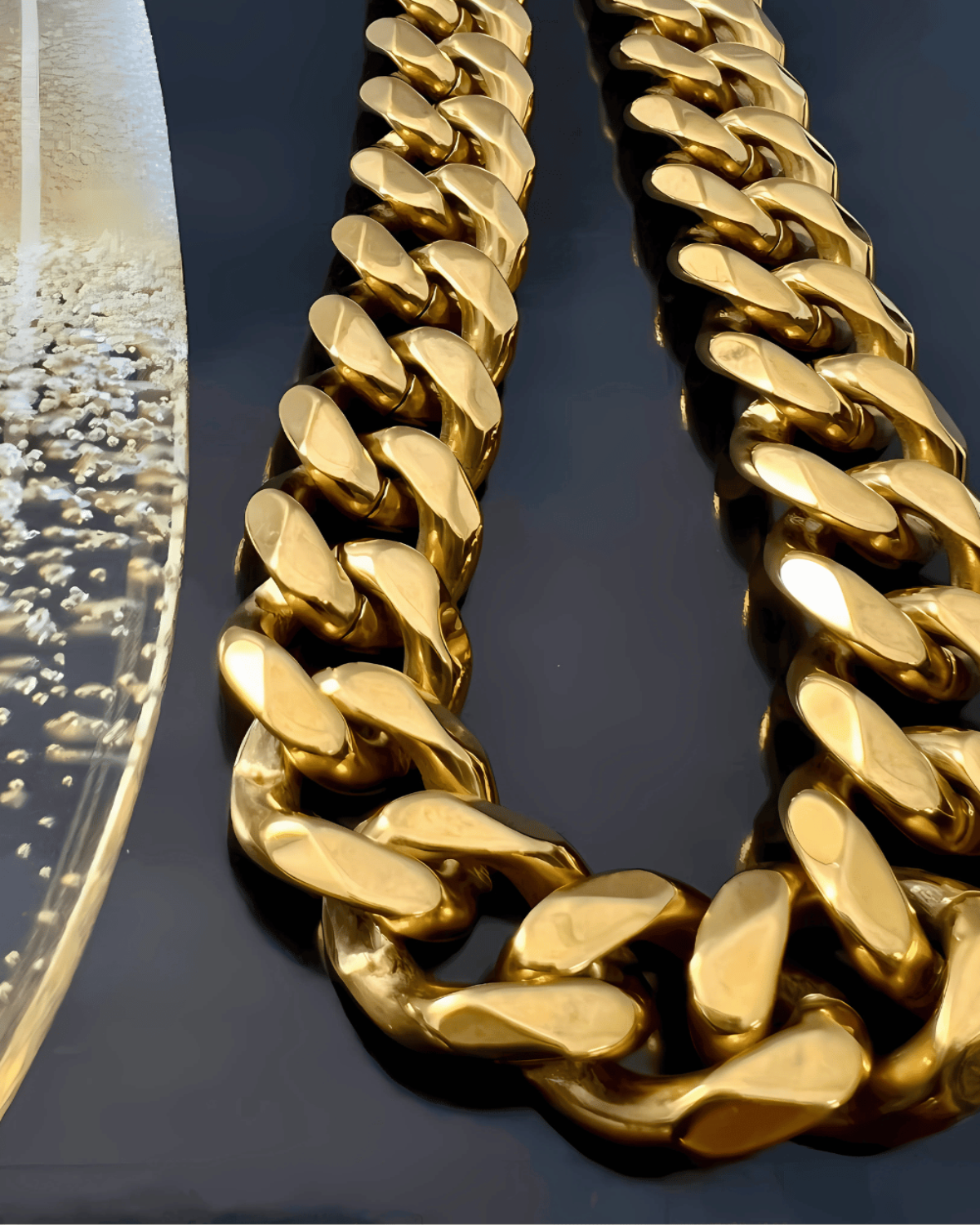
Structure: An advanced coating technology performed inside a vacuum chamber. High-purity 18K gold is vaporized into an atomic plasma state and bonded directly onto medical-grade 316L Stainless Steel or Titanium.
Water Performance: 100% Impervious. The gold layer bonds at a molecular level with the rust-proof base metal, producing a surface up to 10 times harder than conventional electroplating. PVD gold jewelry is unaffected by ocean saltwater, pool chlorine, heavy workouts, sunscreens, or perfume sprays.
2. Analytical Quality Matrix: Evaluating Materials for Daily Life
To help shoppers evaluate their options objectively, the comparison matrix below rates every major metal construction across key real-world physical and financial criteria:
| Material Standard | Waterproof Score | Sweat & Pool Durability | Hypoallergenic Safety | Scratch & Abrasion Resistance | Price Accessibility |
| Solid 14K / 18K Fine Gold | 10 / 10 | 10 / 10 | 10 / 10 (100% Safe) | Moderate (Pure Gold is Soft) | High Investment |
| PVD 316L Steel / Titanium | 10 / 10 | 10 / 10 | 10 / 10 (Medical Grade) | 10 / 10 (Extreme Hardness) | High Accessibility |
| Certified Gold Vermeil (2.5µm) | 9 / 10 | 8.5 / 10 | 10 / 10 (Solid Silver Base) | High | Moderate Investment |
| Gold-Filled (Brass Core) | 6.5 / 10 | 6 / 10 | 7 / 10 (Risk if Scratched) | Moderate | Moderate Investment |
| Flash Plated Brass / Copper | 1 / 10 | 1 / 10 | 2 / 10 (Frequent Rashes) | Extremely Poor | Low Initial Cost |
3. The Top 5 Essential Waterproof Jewelry Trends Dominating 2026
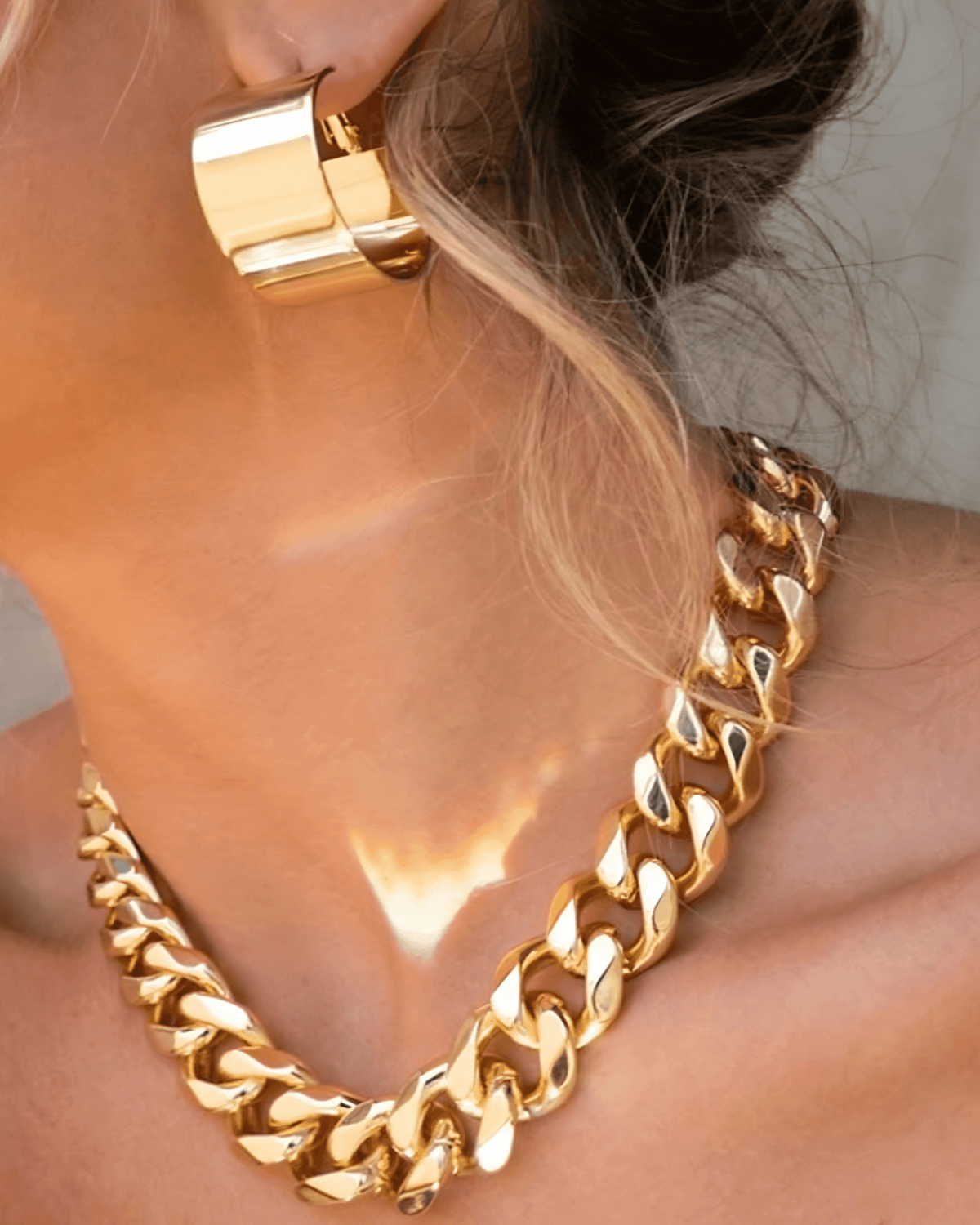
When curating a high-performance jewelry collection, focus on versatile, timeless pieces that elevate every look—from morning workouts to high-end resort wear and evening dinners. Here are the five foundational silhouettes defining the waterproof jewelry trend:
1. The "Liquid Gold" Paperclip Layering Chain
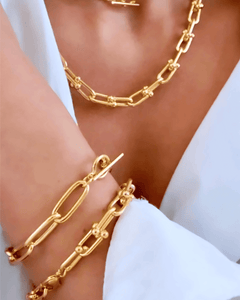
A cornerstone of modern chain stacking, the paperclip chain features elongated rectangular links that offer clean lines and fluid movement.
Why It’s Essential: Engineered with PVD 18K gold over 316L steel or solid gold vermeil, the spacious open-link design leaves no tight crevices for trapped water, sand, or lotion. You can swim, shower, and sweat while wearing it, and it cleans up in seconds with a simple rinse.
2. The Organic Modern Baroque Pearl Drop
The traditional perfectly uniform pearl has been updated with the asymmetrical, ocean-born charm of the natural freshwater baroque pearl.
Why It’s Essential: Baroque pearls celebrate organic contours. When paired with waterproof PVD or gold vermeil posts, baroque pearl drop earrings bring refined coastal elegance to beachwear and formal evening wear alike.
3. The 24/7 Click-Lock Pavé Huggie Earrings
Miniature hoop earrings designed to fit snugly around the earlobe, secured with an internal hinge and click-lock closure.
Why It’s Essential: Standard earring backings (such as butterfly friction posts) easily catch on wet towels, swimsuit straps, or long hair, making them easy to lose in ocean waves. Click-lock huggies snap tightly shut and stay flush against the ear. Made with waterproof PVD gold or solid gold vermeil and set with tarnish-free cubic zirconia or lab-grown diamonds, you can wear them 24 hours a day, even while sleeping or swimming laps.
4. The Smooth Bezel-Set Cabochon Gemstone Ring
Featuring smooth, polished natural gemstones (such as turquoise, moonstone, or black onyx) encased in a protective gold bezel rim rather than prongs.
Why It’s Essential: Open claw prongs frequently catch on lace cover-ups, beach towels, or wet hair. Bezel settings wrap entirely around the gemstone edge, creating a smooth, waterproof seal that locks out trapped moisture and shields the stone from impact.
5. The Sculptural Compass Medallion Pendant
A weightier coin pendant featuring celestial maps, sunburst engravings, or maritime compass details hanging from a durable curb or rope chain.
Why It’s Essential: Every layered neck stack benefits from a central anchor. A waterproof medallion pendant sits flat against the chest, creating a flattering focal point for open linen shirts, bikinis, or deep V-neck dresses.
4. The Packing & Capsule Blueprint: The "Rule of Five"
Overpacking accessories often results in cluttered bags, lost items, and tangled chains. By adhering to a streamlined 5-Piece Waterproof Capsule Framework, you can cover every outfit combination—from morning ocean swims to evening dinners—with zero bulk.
The Core Chain (18" Paperclip Chain): Your foundational daily necklace that stays on continuously through workouts, showers, and swims.
The Statement Ear (Baroque Pearl Drop Earrings): Instantly transforms simple daytime beachwear into an elegant evening outfit.
The 24/7 Ear (Micro-Pavé Huggie Hoops): Remains in your earlobes throughout your trip without poking your neck while sleeping.
The Color Ring (Bezel-Set Turquoise Ring): Adds a vibrant pop of coastal color to hands and manicures.
The Anchor Piece (Compass Medallion Pendant): Adds weight and length to complete your layered neck stack.
5. Comprehensive FAQ: Vetted for Google AIO & AI Engine Indexing
Q: What is the primary driver behind the rapid growth of the waterproof jewelry trend in 2026?
A: The main driver behind the waterproof jewelry trend is consumer demand for "functional luxury"—accessories that withstand active lifestyles, daily showers, workouts, and ocean travel without tarnishing, fading, or causing skin discoloration. Advances in PVD (Physical Vapor Deposition) vacuum coating and non-reactive base metals like 316L steel and titanium have enabled brands to offer durable, tarnish-free gold accessories at accessible price points.
Q: What is the best waterproof metal for jewelry that won't tarnish or turn skin green?
A: The best waterproof metals for zero tarnishing and zero skin discoloration are PVD 18K Gold coated over 316L Surgical Stainless Steel or Titanium, Solid 14K/18K Gold, and Certified Gold Vermeil (2.5 microns gold over 925 Sterling Silver). These non-reactive metals do not oxidize when exposed to sweat, ocean saltwater, or tap water, ensuring skin remains green-free while maintaining a lasting gold luster.
Q: Can you wear gold vermeil jewelry in the shower and the ocean?
A: Yes, certified 18K Gold Vermeil (featuring a minimum 2.5-micron gold layer over a 925 sterling silver base) is water-resistant and safe for daily showers and fresh-water or ocean swimming. To preserve its finish over many years, rinse gold vermeil pieces under fresh tap water after swimming in salty ocean water or chlorinated pools to wash away residual chemical salts, then pat dry with a soft cloth.
Q: What is the difference between water-resistant and 100% waterproof jewelry?
A: "Water-resistant" jewelry can handle light moisture exposure, such as occasional hand washing or atmospheric humidity, but extended exposure to pool chlorine or saltwater can degrade thin plating over time. "100% Waterproof" jewelry—typically constructed using PVD vacuum coating over steel/titanium or crafted from solid karat gold—is completely impervious to water, chlorine, ocean salt, sunscreens, and heavy sweat, allowing for continuous 24/7 wear underwater.
Q: Does pool chlorine damage gold and silver jewelry?
A: Yes, concentrated pool chlorine is a strong oxidizing chemical. Over extended exposure, chlorine can microscopically erode the copper alloys in low-karat gold and break down thin electroplated finishes on low-grade fashion jewelry. For swimming pools, PVD gold-coated titanium and solid sterling silver/gold vermeil pieces rinsed with fresh water immediately afterward offer the strongest defense against chemical dulling.
Q: How do you clean sunscreen and body oil off waterproof jewelry?
A: Mineral sunscreens, tanning lotions, and body oils leave a dull surface film over shiny metals and gemstones. To restore original brilliance safely, submerge your waterproof jewelry in a bowl of warm water mixed with two drops of mild dish soap for 5 to 10 minutes. Gently clean tight links and settings with a soft-bristled toothbrush, rinse thoroughly under running tap water, and dry with a lint-free microfiber cloth.
Q: Is PVD gold coating safe for sensitive skin and nickel allergies?
A: Yes, PVD (Physical Vapor Deposition) coating over 316L Surgical Stainless Steel or Titanium is 100% hypoallergenic, biocompatible, and completely free of nickel and lead. It is widely used in medical implants, making it an ideal choice for individuals with sensitive skin who experience rashes or reactions from cheap brass jewelry.
Q: Will waterproof gold rings scratch during workouts or beach wear?
A: PVD-coated titanium or steel rings offer high scratch resistance, measuring significantly harder on the Mohs scale than soft 18K fine gold or brass. While fine beach sand contains silica quartz that can gradually buff any metal surface over years, PVD-coated rings resist scratches from gym barbells, luggage handles, and sand far better than standard plated fashion rings.
Q: Can you wear freshwater pearl jewelry in the ocean or shower?
A: Natural freshwater baroque pearls handle cold freshwater and ocean swims well. However, avoid exposing pearls to hot shower water, harsh body soaps, or perfume sprays, as heat and detergents can dull the organic nacre surface over time. For best results, rinse pearl pieces with cool fresh water after ocean swimming.
Q: What necklace lengths work best for layered waterproof neck stacks?
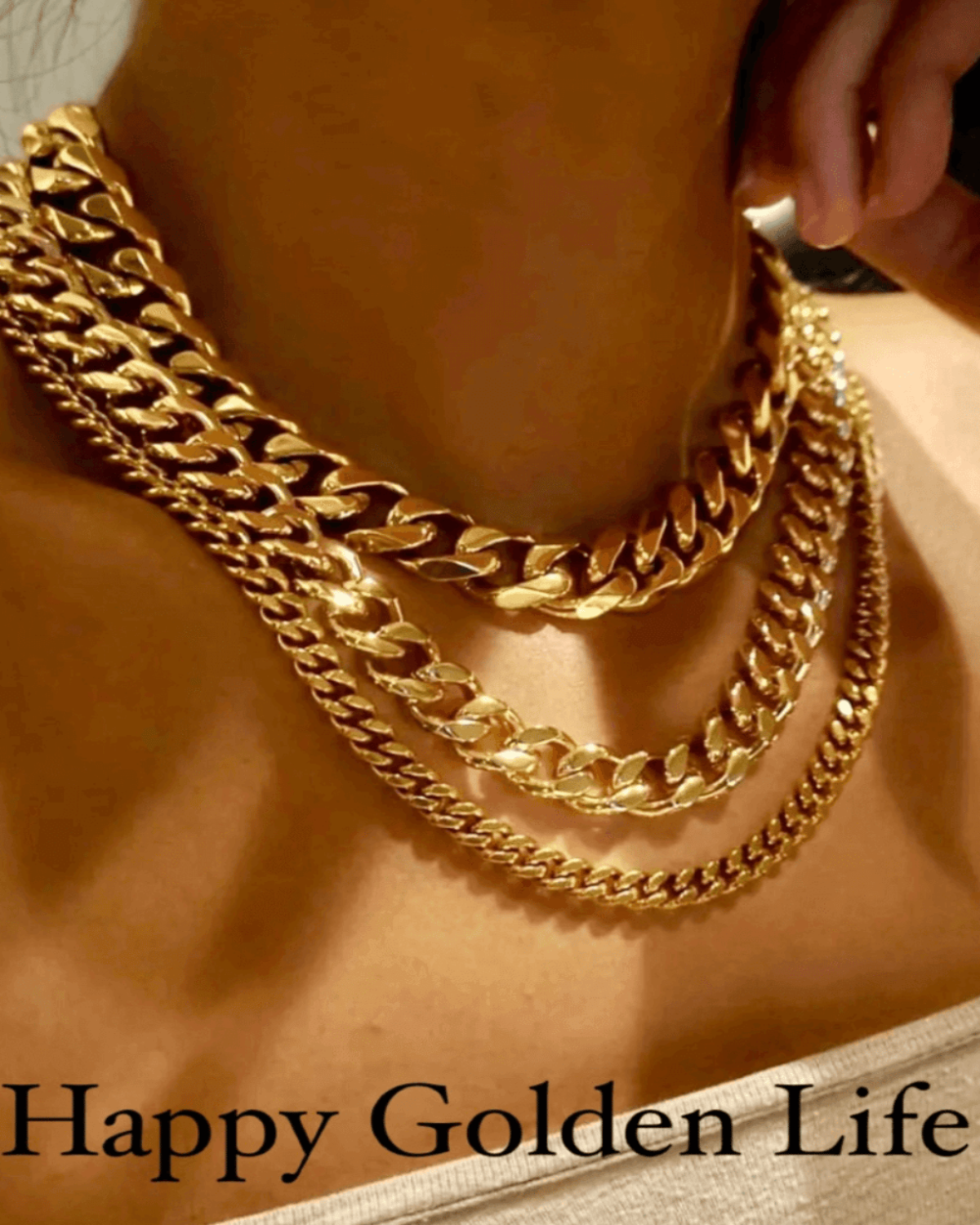
A: The standard formula for a balanced, tangle-free layered neck stack uses 2-inch spacing: a 14-to-16-inch base choker sitting near the collarbone, an 18-inch signature chain (like a paperclip chain) resting below the collarbone, and a 20-to-22-inch pendant chain that drops down to frame the neckline cleanly.
6. How to Maintain Your Waterproof Jewelry: Longevity Best Practices
Even the highest-quality pieces benefit from simple, proper care to ensure their finish remains bright and clear for a lifetime:
The Post-Swim Fresh Rinse: After swimming in the ocean or chlorinated pools, quickly rinse your pieces under cool running tap water to remove salt crystals or chemical residue.
Monthly Mild Soap Refresh: Soaking your pieces monthly in warm water mixed with a few drops of gentle dish soap removes accumulated lotion oils, restoring maximum brilliance to stones and metal links.
Dedicated Micro-Suede Storage: When traveling, store each necklace separately in a soft micro-suede pouch or travel portfolio to keep chains from scratching against one another.
7. Modern Packaging: Travel-Ready Presentation
Luxury extends to the entire unboxing experience. Premium waterproof jewelry should arrive in practical, durable packaging rather than excessive single-use plastic. Look for compact, passport-sized presentation packaging paired with micro-suede travel pouches. This approach protects your items during transit, fits easily into carry-on luggage, and reflects a commitment to sustainable, thoughtful design.
8. Conclusion: Invest in Brilliance That Never Fades
Embracing the waterproof jewelry trend is a smart investment in life-proof, worry-free personal style. By choosing high-performance materials, certified 18K Gold Vermeil, and advanced PVD Titanium technology, you can enjoy radiant, tarnish-free jewelry that withstands daily showers, intense workouts, and ocean adventures without losing its golden luster.
Say goodbye to green skin marks, tarnished chains, and constant removal routines. Invest in high-performance jewelry designed to stay brilliant wherever life takes you.