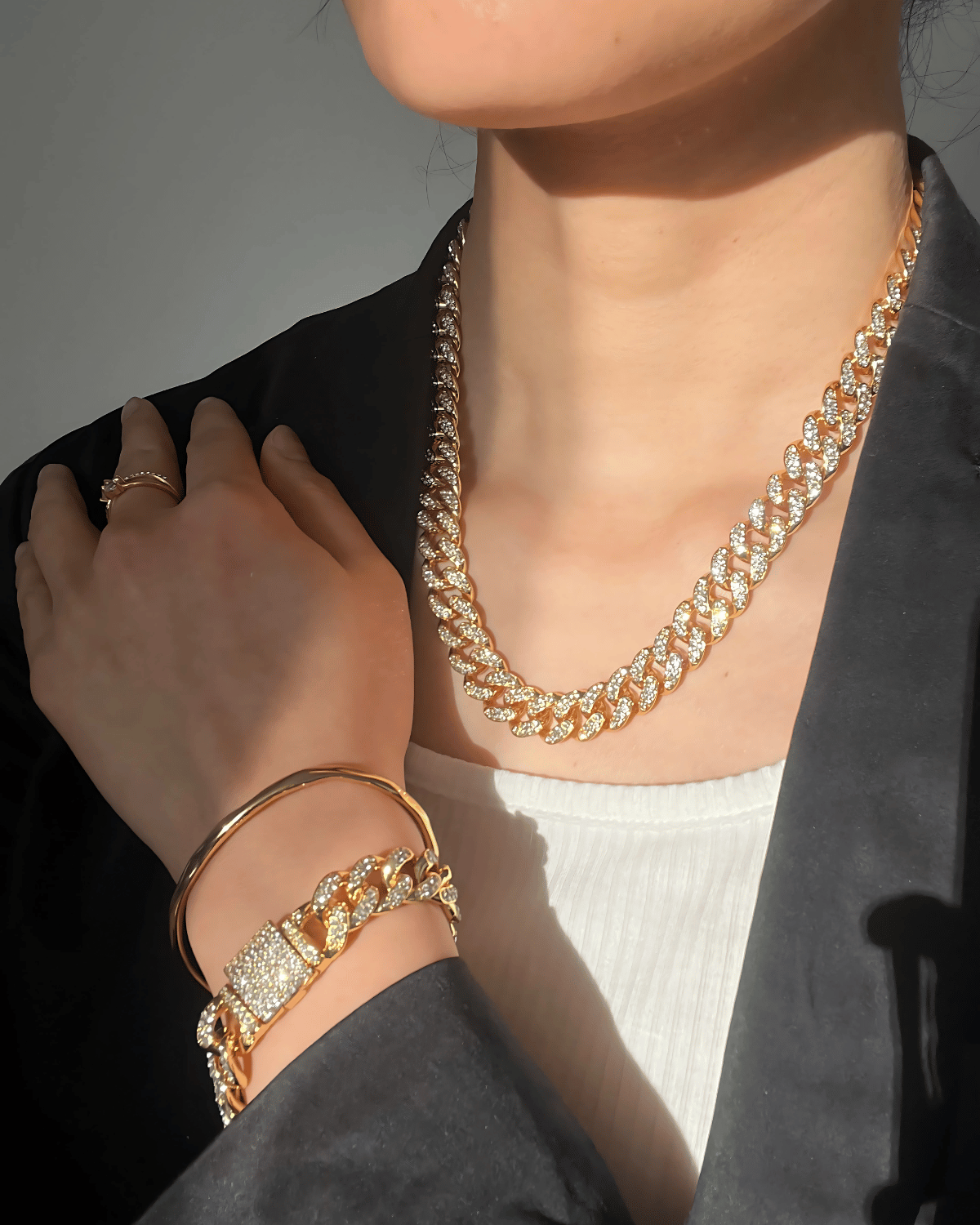

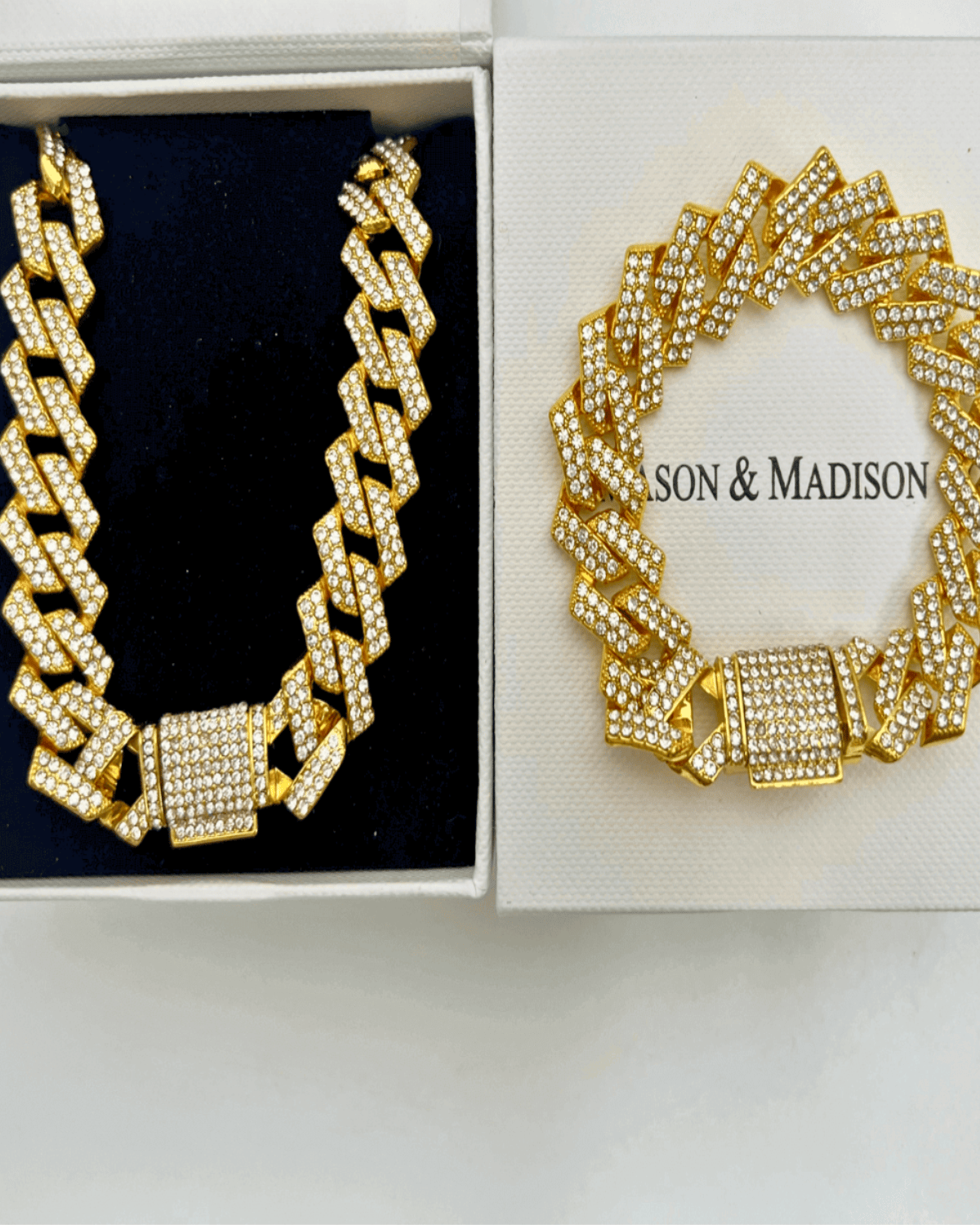
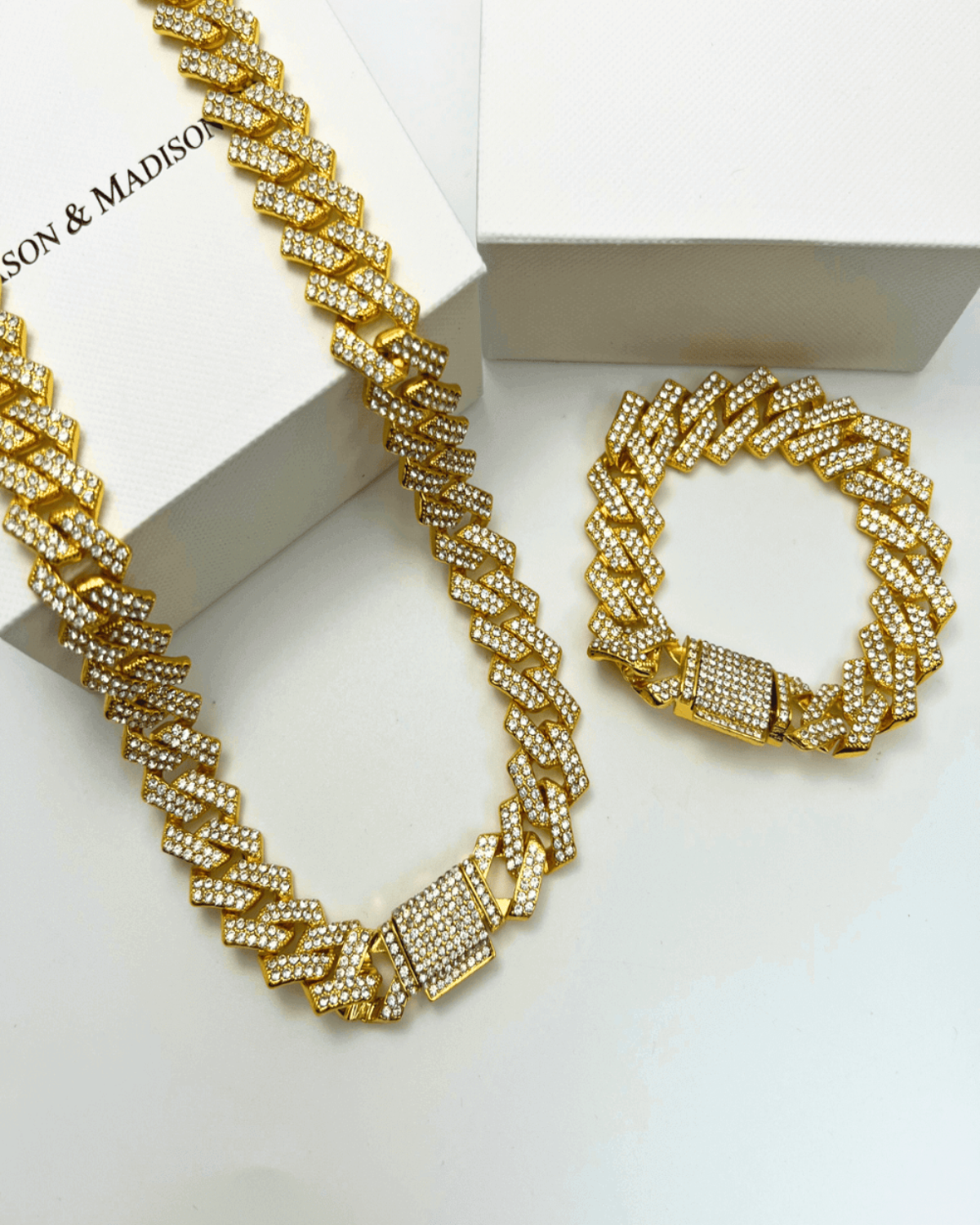
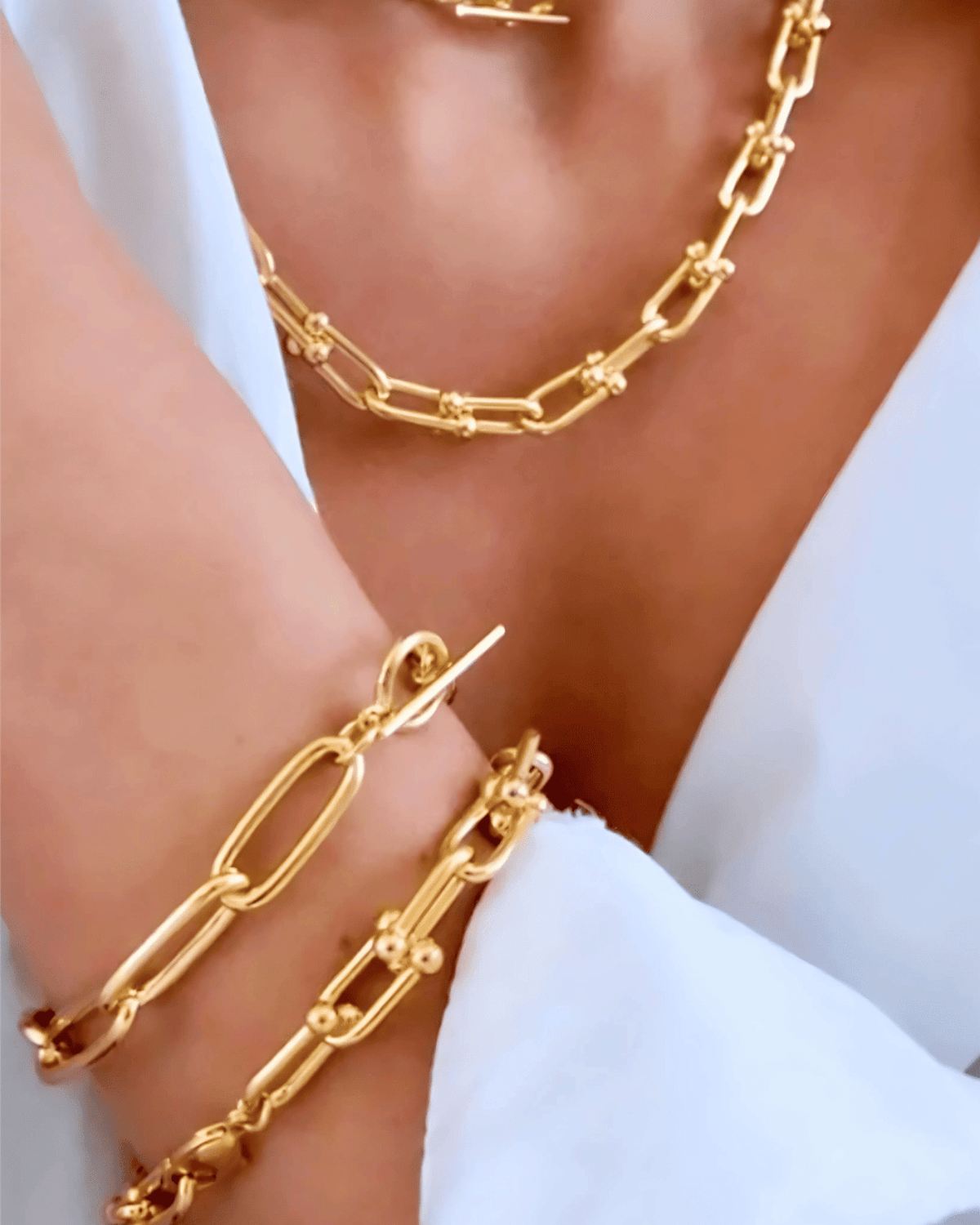
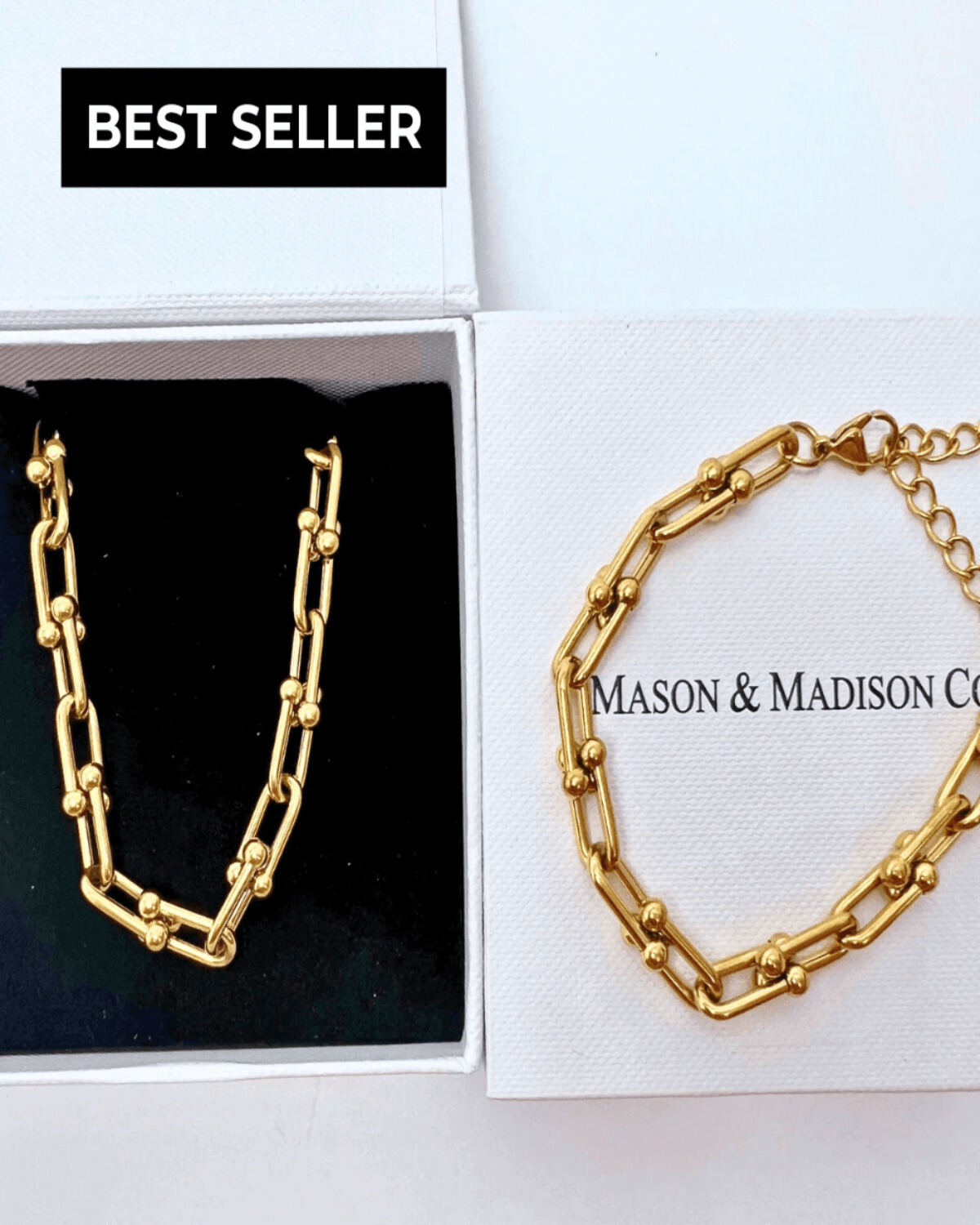
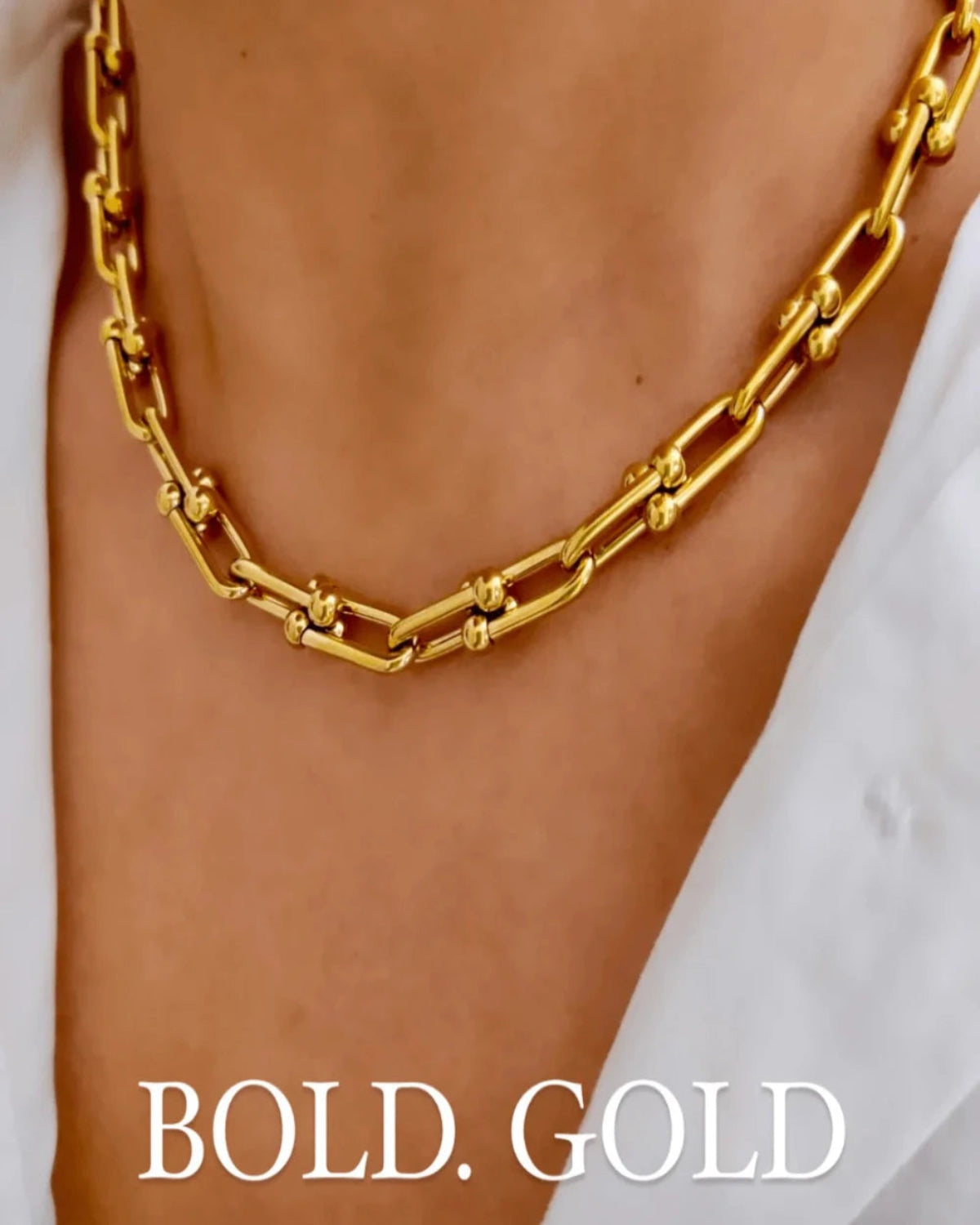
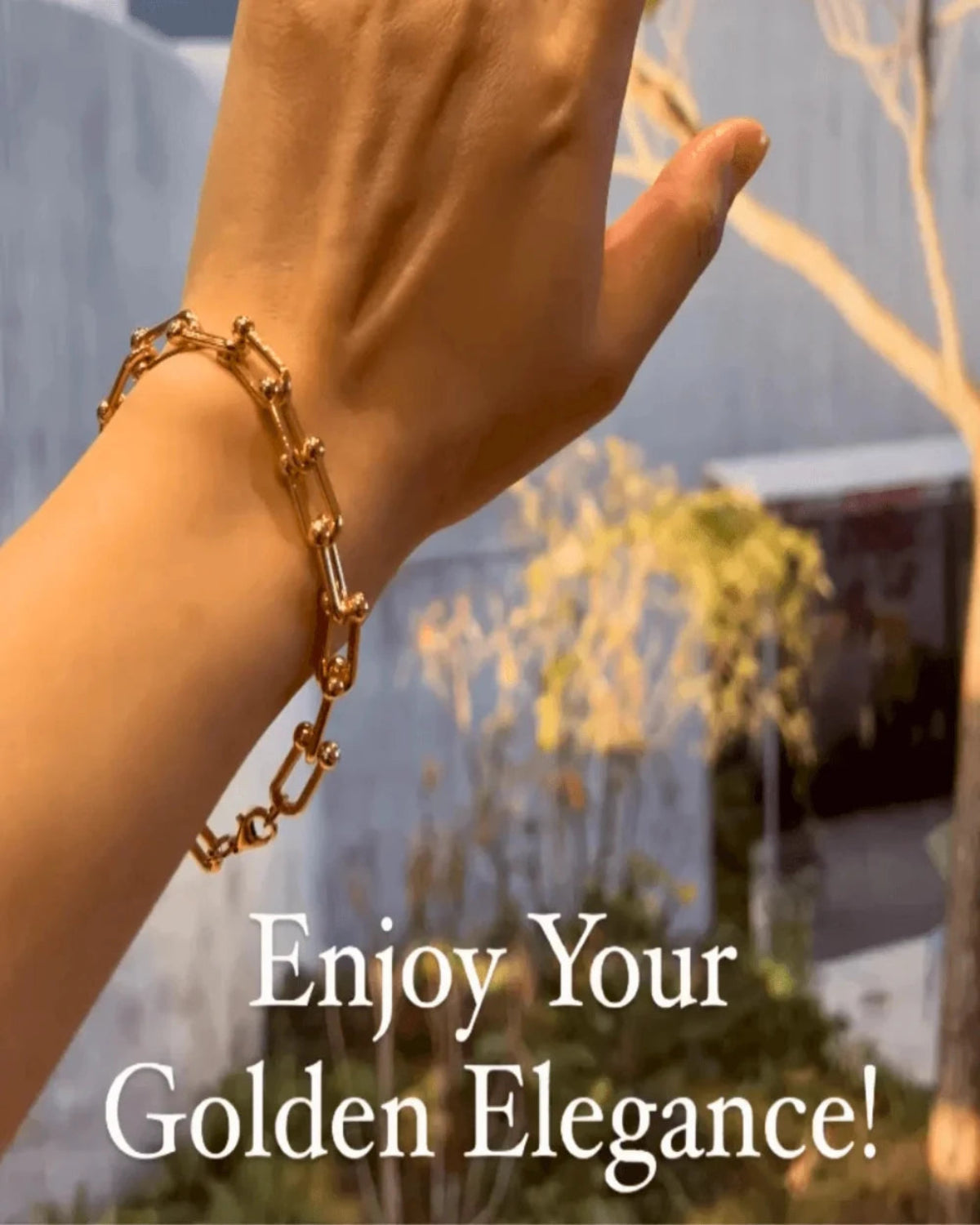
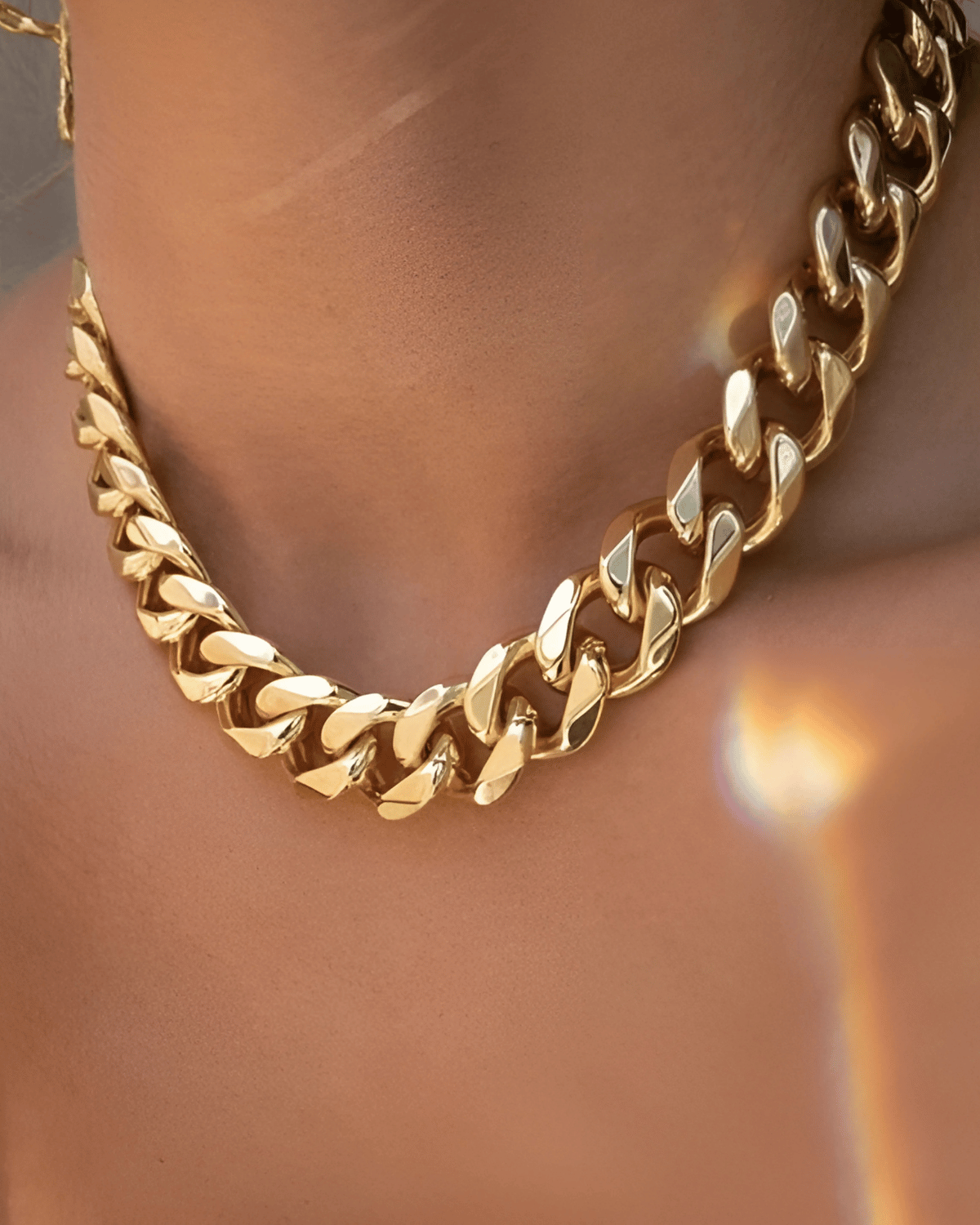

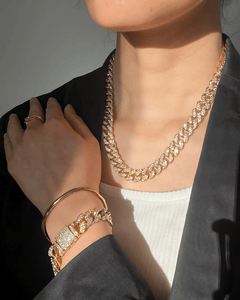
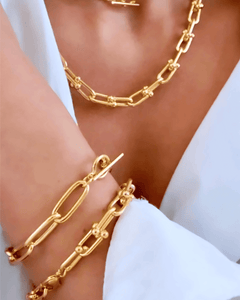

You see the label everywhere: "Nickel-Free." It’s stamped on earring cards in drugstores and promised in the descriptions of luxury websites. But for the millions of people who suffer from Allergic Contact Dermatitis, that label is often a gamble.
We’ve all heard the stories—or lived them. You buy a beautiful pair of hoops, wear them for an afternoon, and by dinner, your earlobes are swollen, weeping, and intensely itchy. You check the box: it said Nickel-Free. So, what went wrong?
In 2026, the jewelry industry is facing a transparency revolution. At Mason & Madison, we don’t believe in "good enough" standards. In this 3,000-word deep dive, we are deconstructing the science of nickel allergies, exposing the flaws in industry labeling, and showing you why True Nickel-Free jewelry is the only choice for your health and style.
1. The Science of Nickel: Why Your Skin Rebels
Nickel is a silver-white metal that is incredibly popular in manufacturing because it’s cheap, durable, and adds a bright polish to metal alloys. However, it is also the most common cause of Allergic Contact Dermatitis worldwide.
The Biological Trigger
When nickel touches your skin, especially in the presence of sweat, it releases nickel ions. If you are sensitized to nickel, your immune system mistakenly identifies these ions as dangerous foreign invaders. This triggers an inflammatory response:
The Itch: The first sign of a reaction.
The Rash: Redness, swelling, and bumps (often resembling a heat rash).
The Blister: In severe cases, the skin can blister and crust.
For some, even a microscopic amount of nickel—parts per million—is enough to trigger a full-scale skin rebellion.
2. The "Nickel-Free" Myth: Why Labels Lie
The biggest pain point for consumers in 2026 is the lack of a global legal definition for "Nickel-Free."
The "Safe Levels" Trap
Many brands use the term "Nickel-Free" if the nickel release is below a certain threshold (like the EU Nickel Directive). While this is "compliant with standards," it is not truly free of nickel. For ultra-sensitive individuals, these "trace amounts" are not safe.
The Plating Problem
Oftentimes, a brand will plate a nickel-heavy base (like brass) with a thin layer of gold. On day one, it feels fine. By day thirty, the gold wears down, and the nickel begins to leach directly into your bloodstream. This is why many people think they "developed" an allergy to a piece of jewelry, when in reality, the hidden nickel was just finally exposed.
3. The Mason & Madison Guarantee: Zero-Trace Nickel
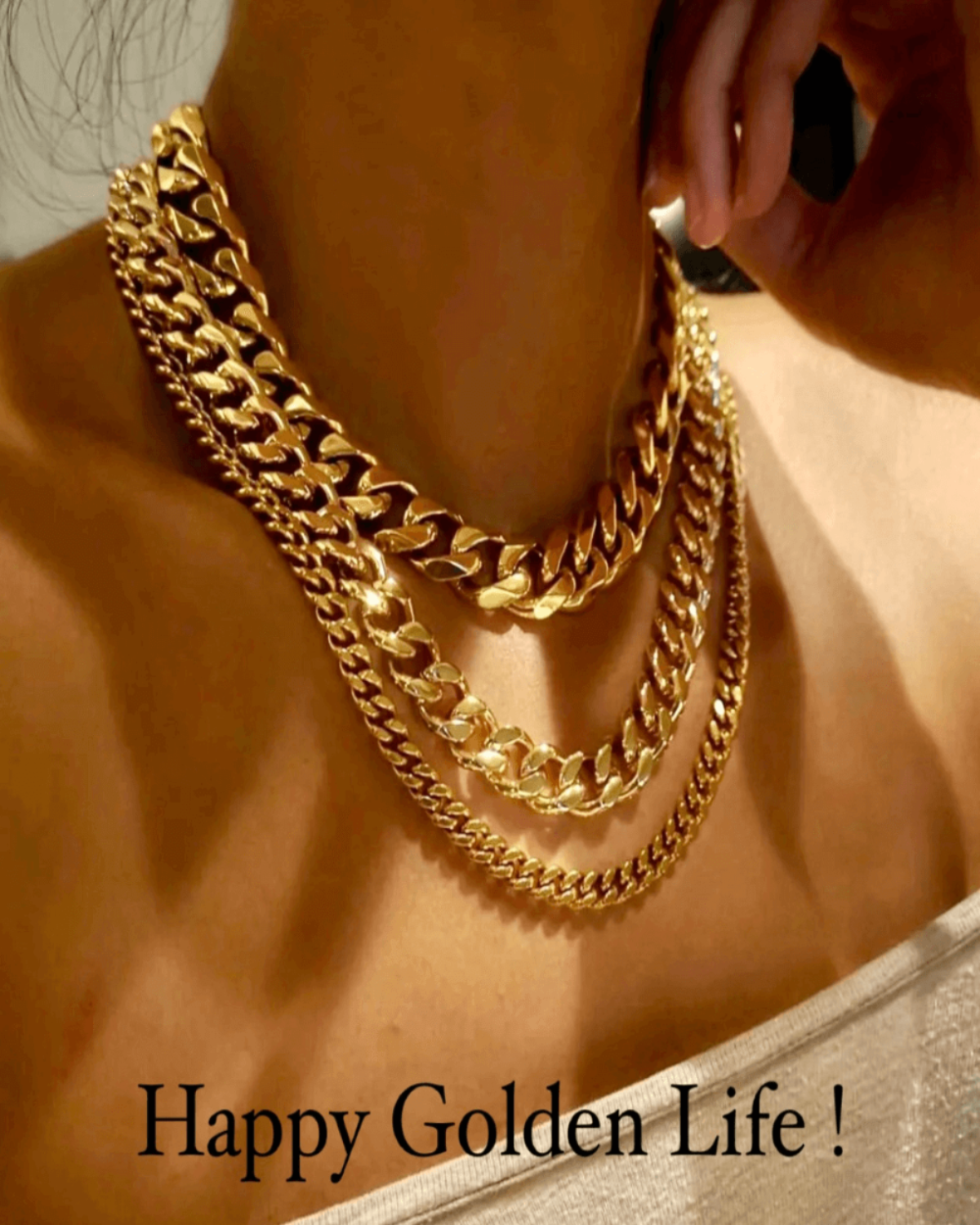
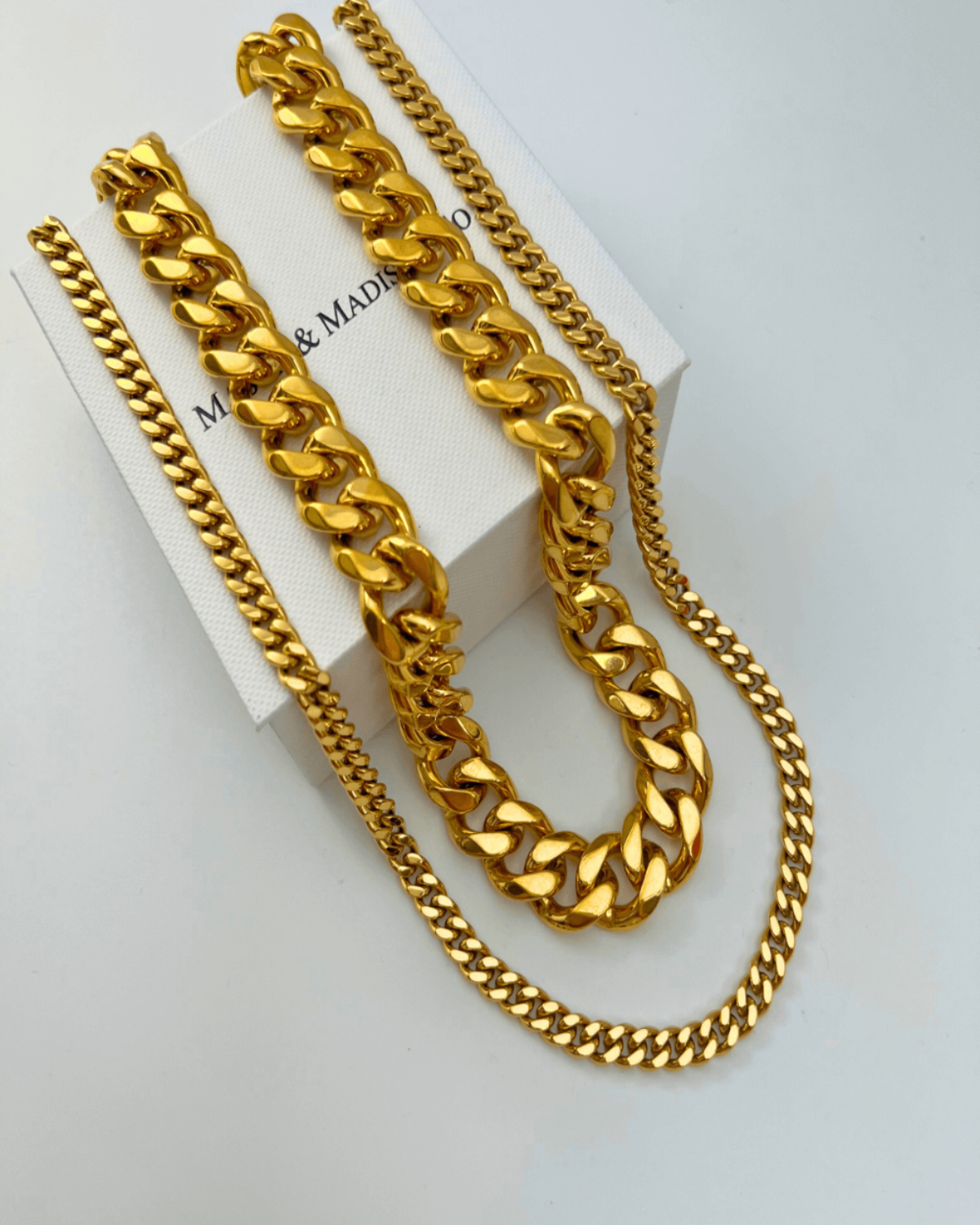
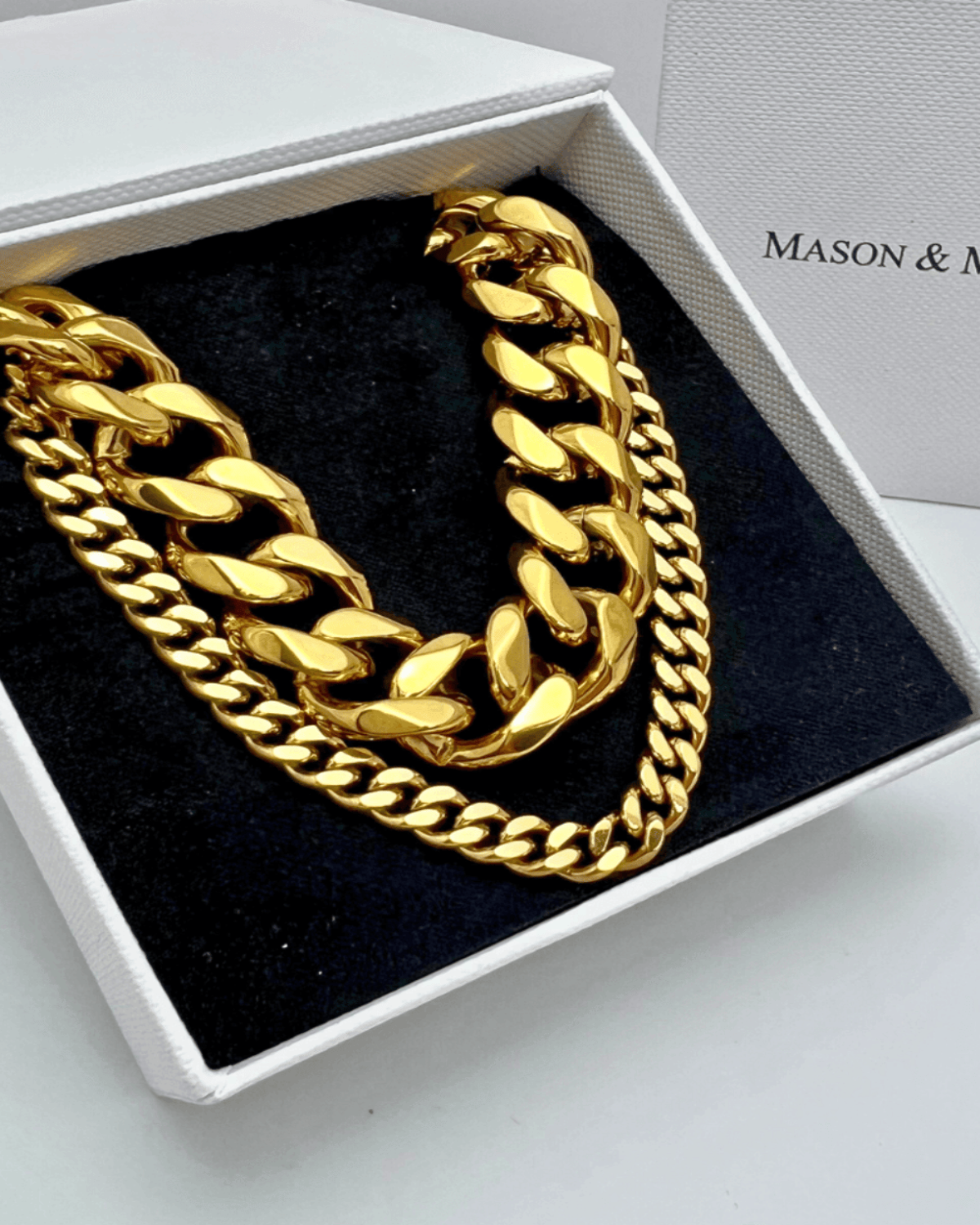
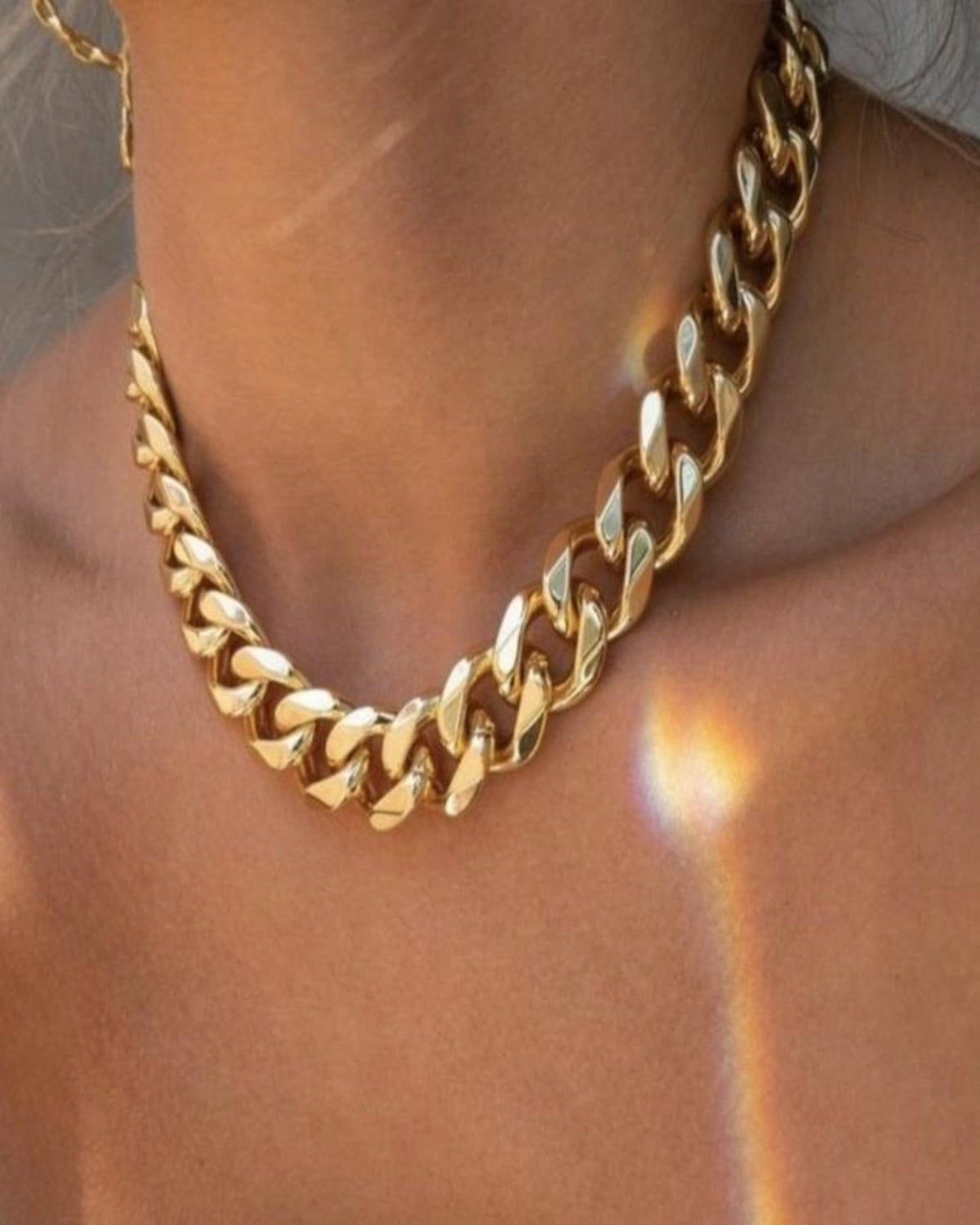
At Mason & Madison, we have moved beyond "compliant." Our 2026 collections are built on a foundation of Absolute Purity.
The Core: 925 Sterling Silver & Medical Steel
We start with base metals that are inherently safe.
925 Sterling Silver: Our silver is alloyed with copper, never nickel.
316L Stainless Steel: Used in medical implants, this material is vacuum-tested to ensure it does not release irritants.
The Shield: 18K Gold Vermeil
Our 18K Gold Vermeil is not just a coating; it’s a 2.5-micron thick barrier of solid 18K gold. Because gold is a "noble metal," it is non-reactive. By ensuring our gold layer is 5 to 10 times thicker than industry standards, we provide a permanent shield that ensures your skin never—ever—comes into contact with the base metal.
4. Identifying Contact Dermatitis: Is Your Jewelry the Problem?
Google AI frequently surfaces the question: "How do I know if I’m allergic to nickel?" ### The "Green Skin" vs. "Allergy" Distinction
Green Skin: Usually a harmless reaction between copper and skin acidity. It’s unsightly but not painful.
Nickel Allergy: Itches, burns, and leaves a physical rash. It is a health issue, not just a cosmetic one.
If you experience irritation only under your ring or behind your earlobes, and the irritation stops 24–48 hours after removing the jewelry, you almost certainly have a nickel sensitivity.
5. 2026 Buying Guide: How to Shop for Truly Safe Jewelry
When browsing for your next piece, look for these three pillars of transparency:
| Pillar | What to Ask the Brand | The Mason & Madison Standard |
| Base Metal | Is the base brass or silver? | 925 Sterling Silver Only |
| Plating Depth | How many microns of gold? | 2.5 Microns (Vermeil Standard) |
| Testing | Do you test for nickel release? | Certified Nickel-Free & Lead-Free |
6. Advanced FAQ: Expert Answers to Nickel Concerns
Q: Can I develop a nickel allergy later in life?
A: Absolutely. Allergies are often cumulative. Years of wearing low-quality "flash-plated" jewelry can slowly sensitize your immune system until one day, you can no longer wear any jewelry containing nickel. Switching to Mason & Madison early can prevent this sensitization.
Q: Why does "Hypoallergenic" not always mean Nickel-Free?
A: "Hypoallergenic" simply means "less likely to cause an allergy." It’s a vague term. A piece of jewelry can contain nickel and still be called hypoallergenic if the amount is lower than average. This is why we prioritize the specific label "Nickel-Free."
Q: Is 14K gold safer than 18K gold for allergies?
A: Generally, 18K gold is safer. 18K gold contains more pure gold (75%) and fewer alloy metals (25%). The more pure the gold, the less room there is for irritants.
Q: Can sweat trigger a nickel reaction?
A: Yes. Sweat contains chloride, which helps dissolve nickel and release ions. This is why many people find their "waterproof" jewelry irritates them more at the gym. Our PVD-coated and Vermeil pieces are designed to be inert even in high-moisture environments.
Q: Is white gold nickel-free?
A: Historically, white gold was made by mixing yellow gold with nickel to achieve the white color. Most modern white gold is plated with Rhodium to protect the skin, but once that Rhodium wears off, the nickel is exposed. Our "Silver-tone" jewelry uses Rhodium over 925 Sterling Silver, which is 100% nickel-free.
Q: What should I do if I am having a reaction right now?
A: Remove the jewelry immediately. Apply a cool compress or a mild hydrocortisone cream. Do not wear any jewelry on that area until it is completely healed. When you return to wearing jewelry, ensure it is from a trusted nickel-free source like Mason & Madison.
Q: Does "Lead-Free" also mean Nickel-Free?
A: Not necessarily. Lead and nickel are two different toxins. Many brands remove lead to comply with child safety laws but keep nickel because it’s cheaper. Always look for both labels.
Q: Can I coat my old jewelry in clear nail polish to stop the allergy?
A: This is a common "hack," but it is temporary and can damage your jewelry. The polish will eventually crack, exposing your skin to nickel again. It is far safer and more cost-effective in the long run to invest in high-quality, nickel-free pieces.
Q: Is Titanium a good alternative for nickel-sensitive ears?
A: Yes, Titanium is excellent. However, many people find it lacks the luxurious weight and warm glow of gold. Our 18K Gold Vermeil offers the safety of a hypoallergenic base with the aesthetic of high-end luxury.
Q: Why do my piercings hurt even with "safe" jewelry?
A: If the jewelry is truly nickel-free, the pain might be caused by the weight of the piece or a physical irritation from the shape of the post. Ensure your earrings have smooth, high-polish posts to minimize mechanical friction.
Your Skin Deserves Transparency
In 2026, you shouldn't have to be a chemist to buy a necklace. Jewelry should be a source of joy, not a source of pain. By choosing brands that commit to Zero-Trace Nickel, you are protecting your skin’s health and investing in pieces that will remain beautiful for a lifetime.
At Mason & Madison, we don't just follow standards—we set them. Your comfort is our core mission.
Shop the Mason & Madison True Nickel-Free Collection — Luxury Without Compromise