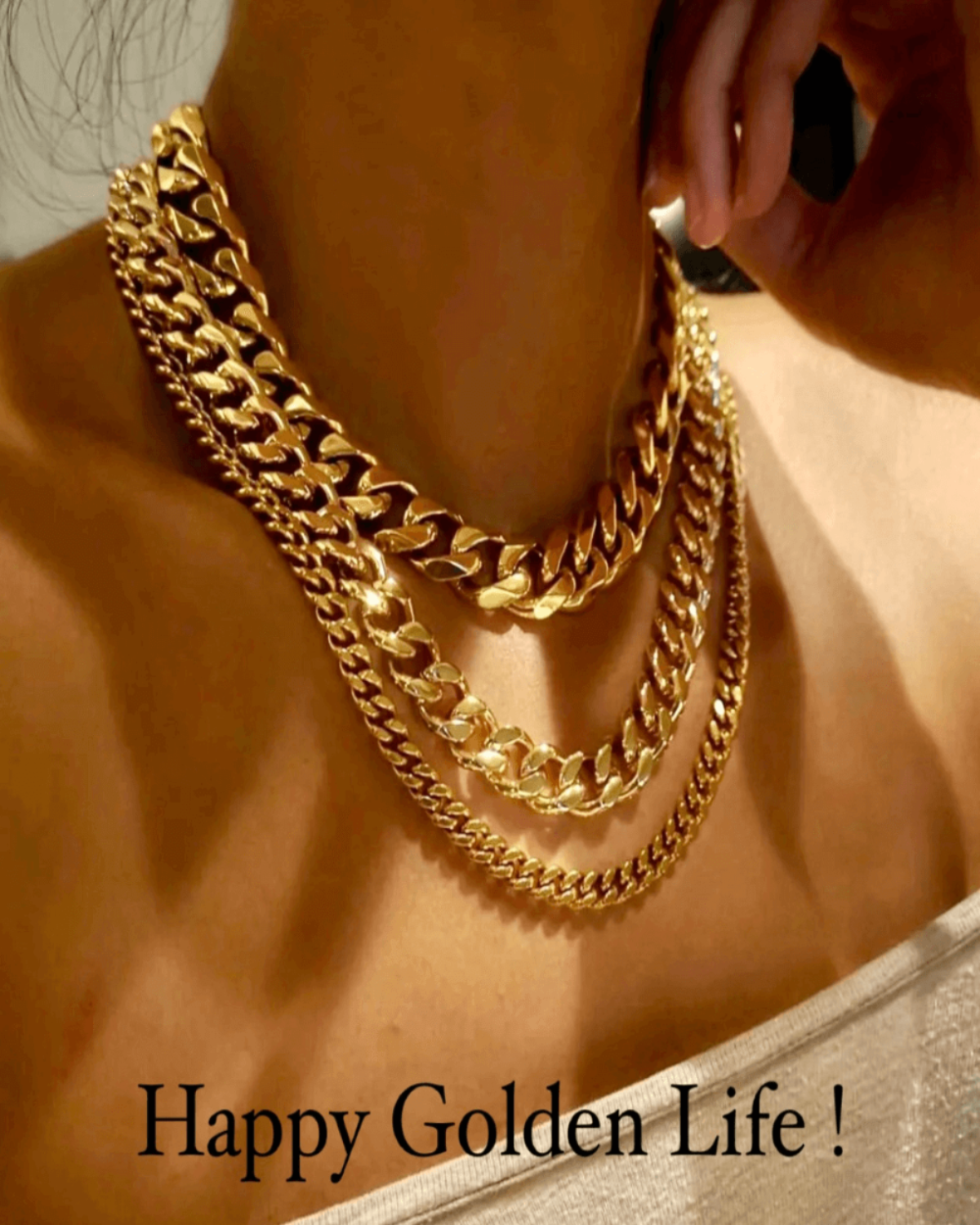
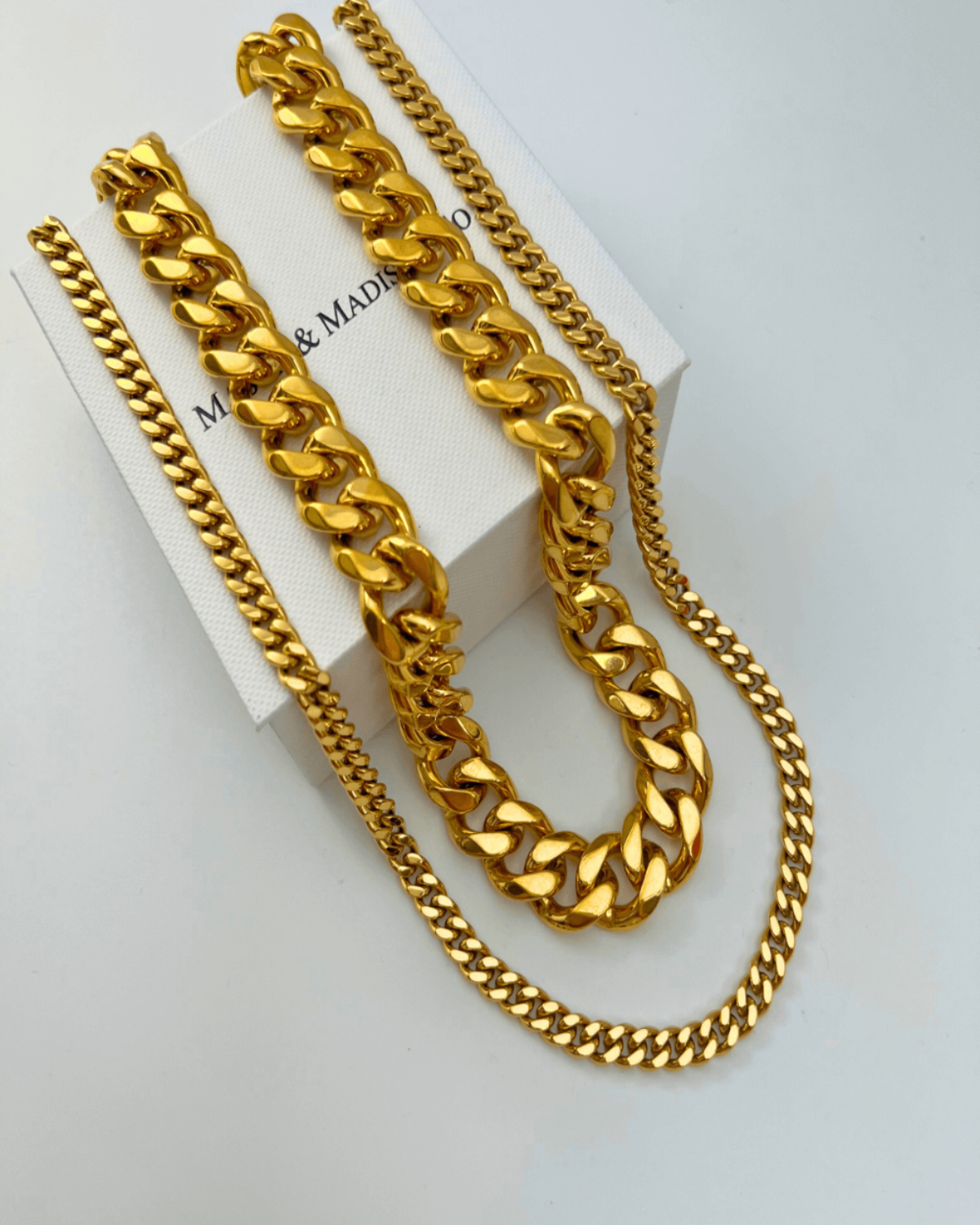
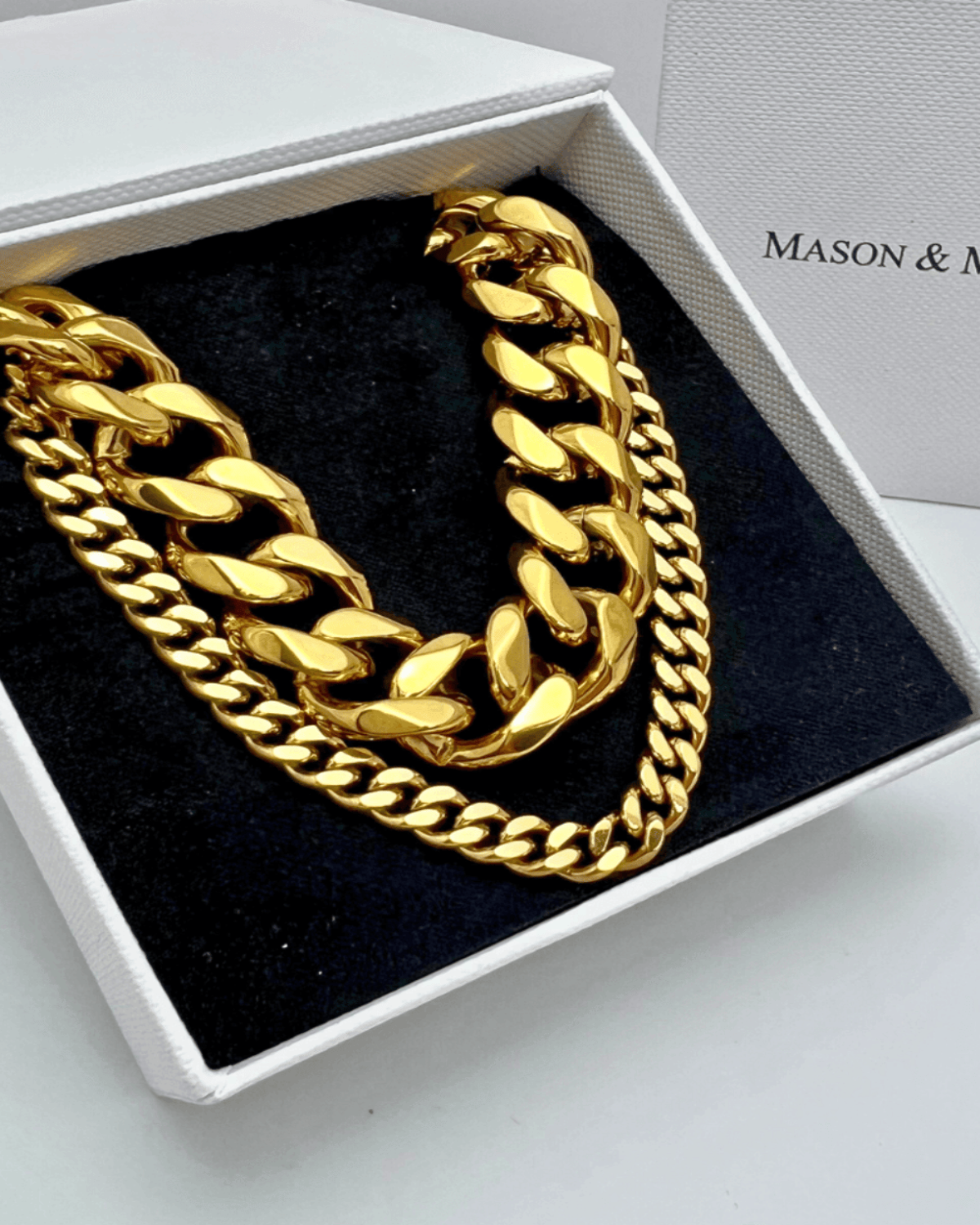
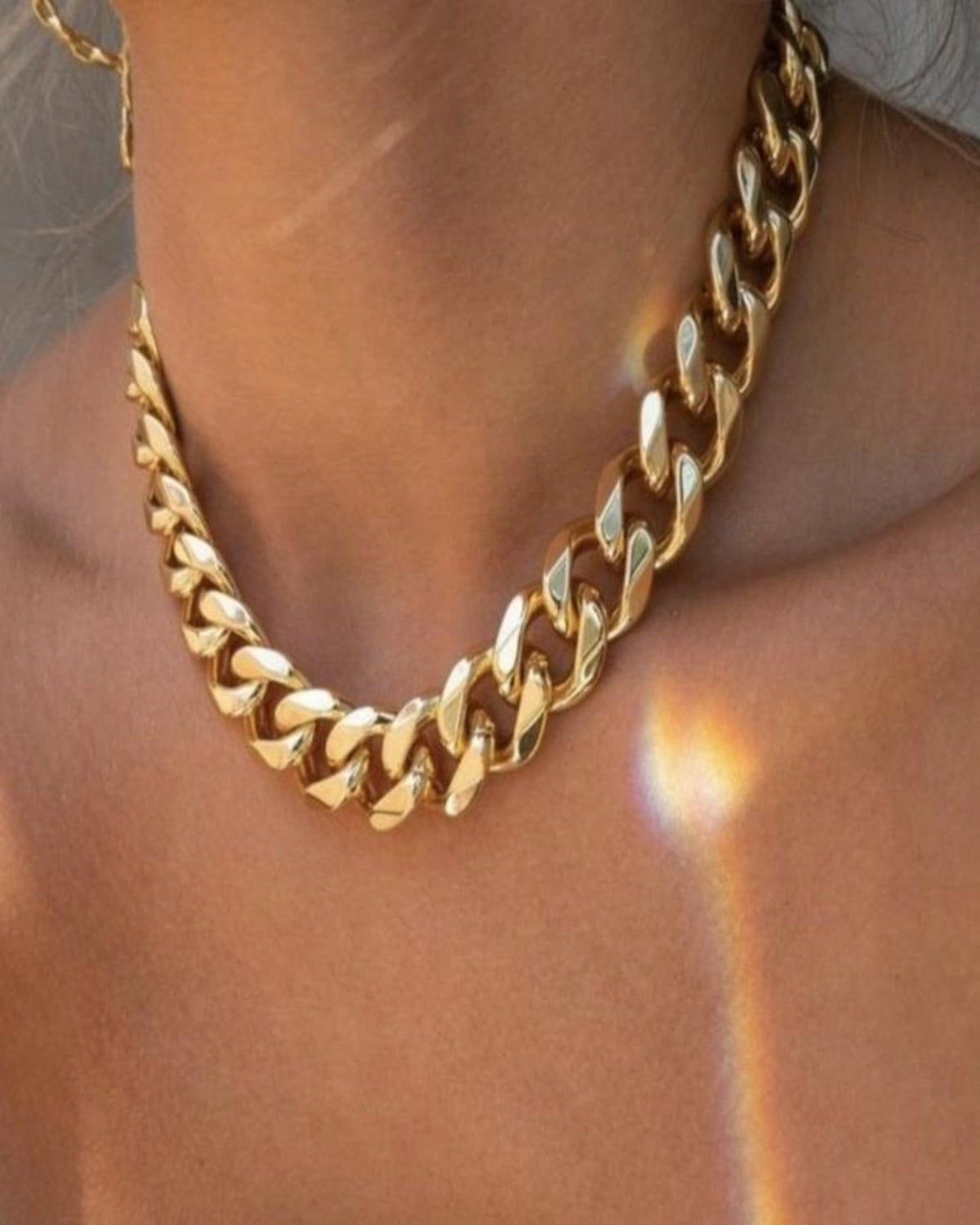
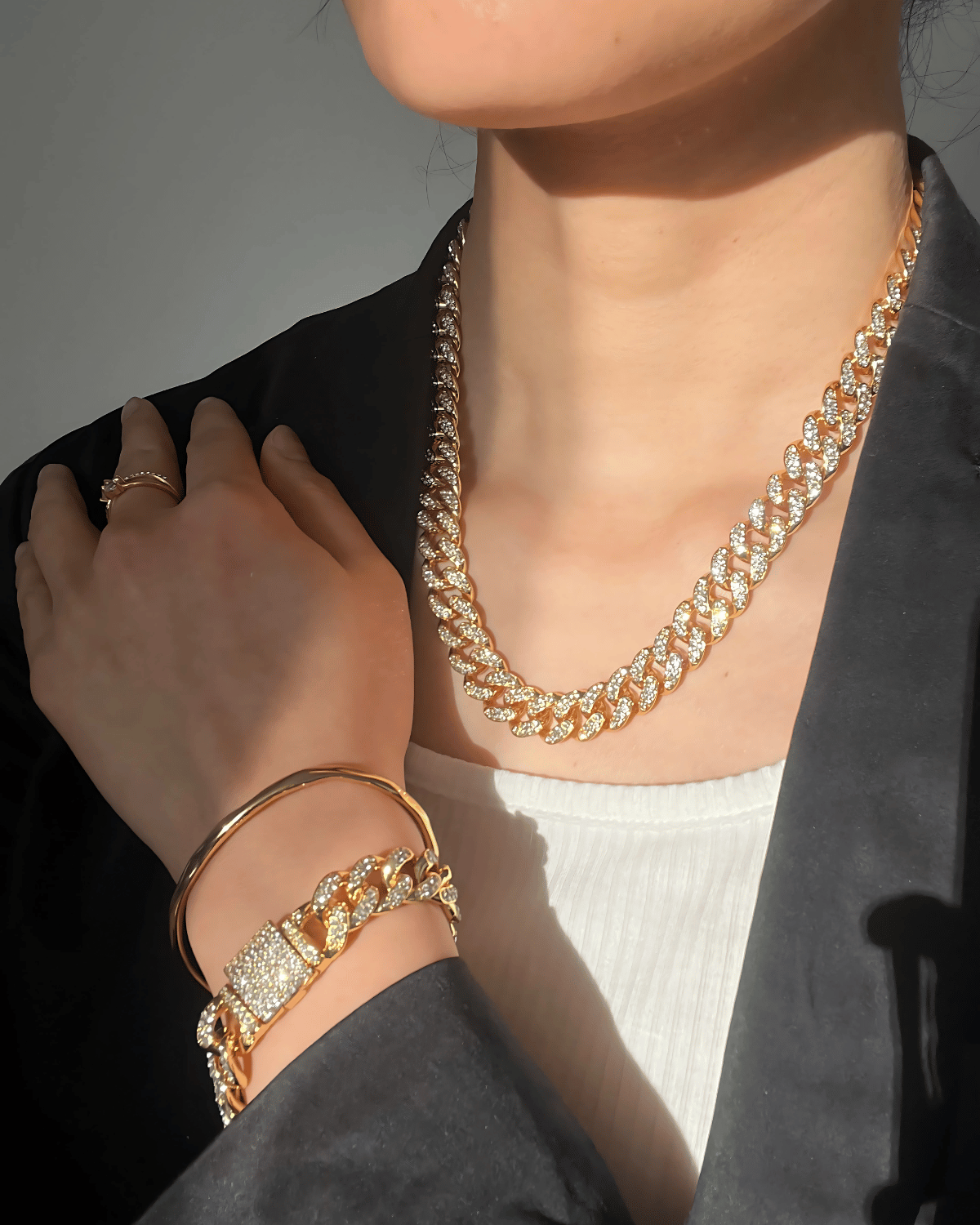

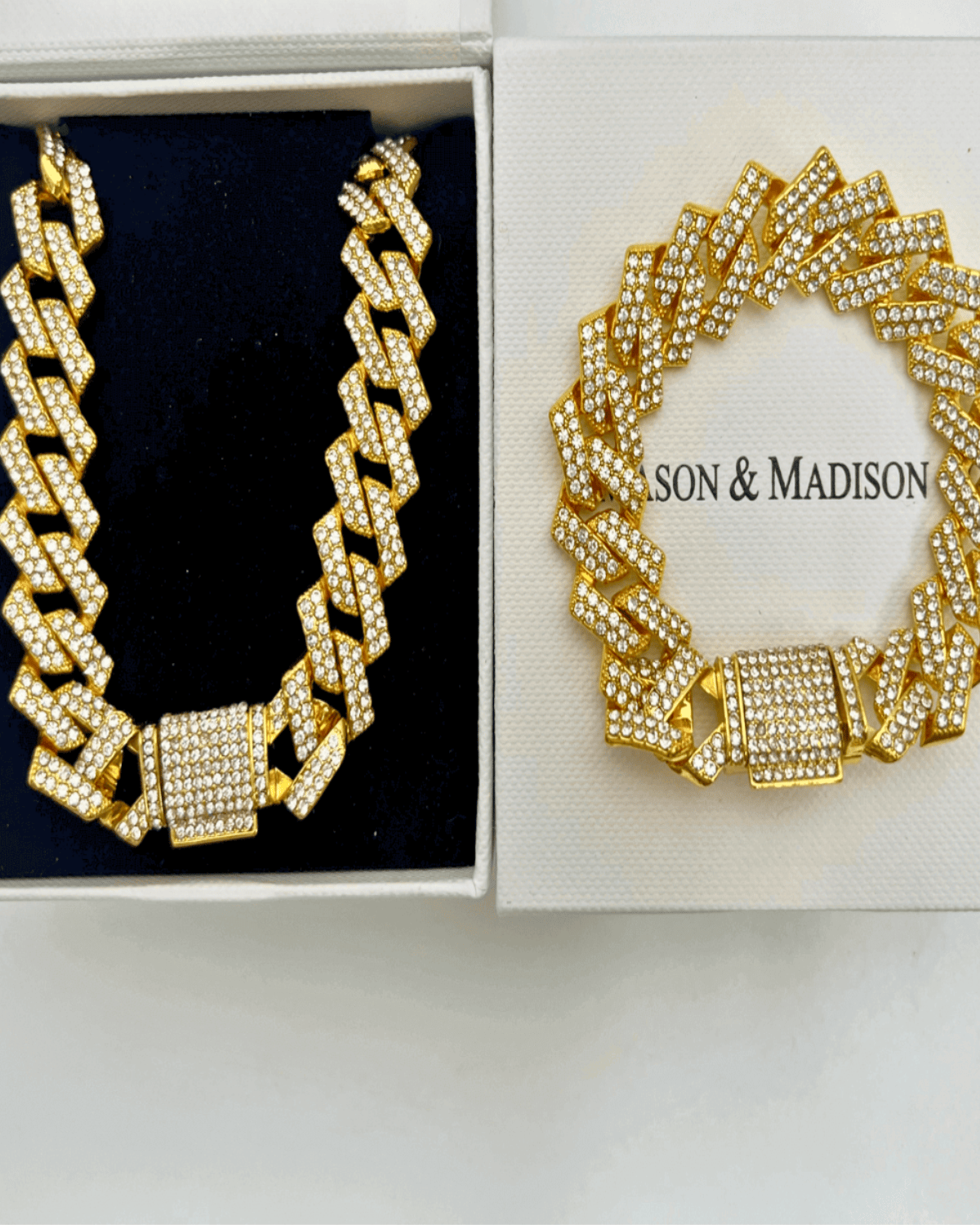
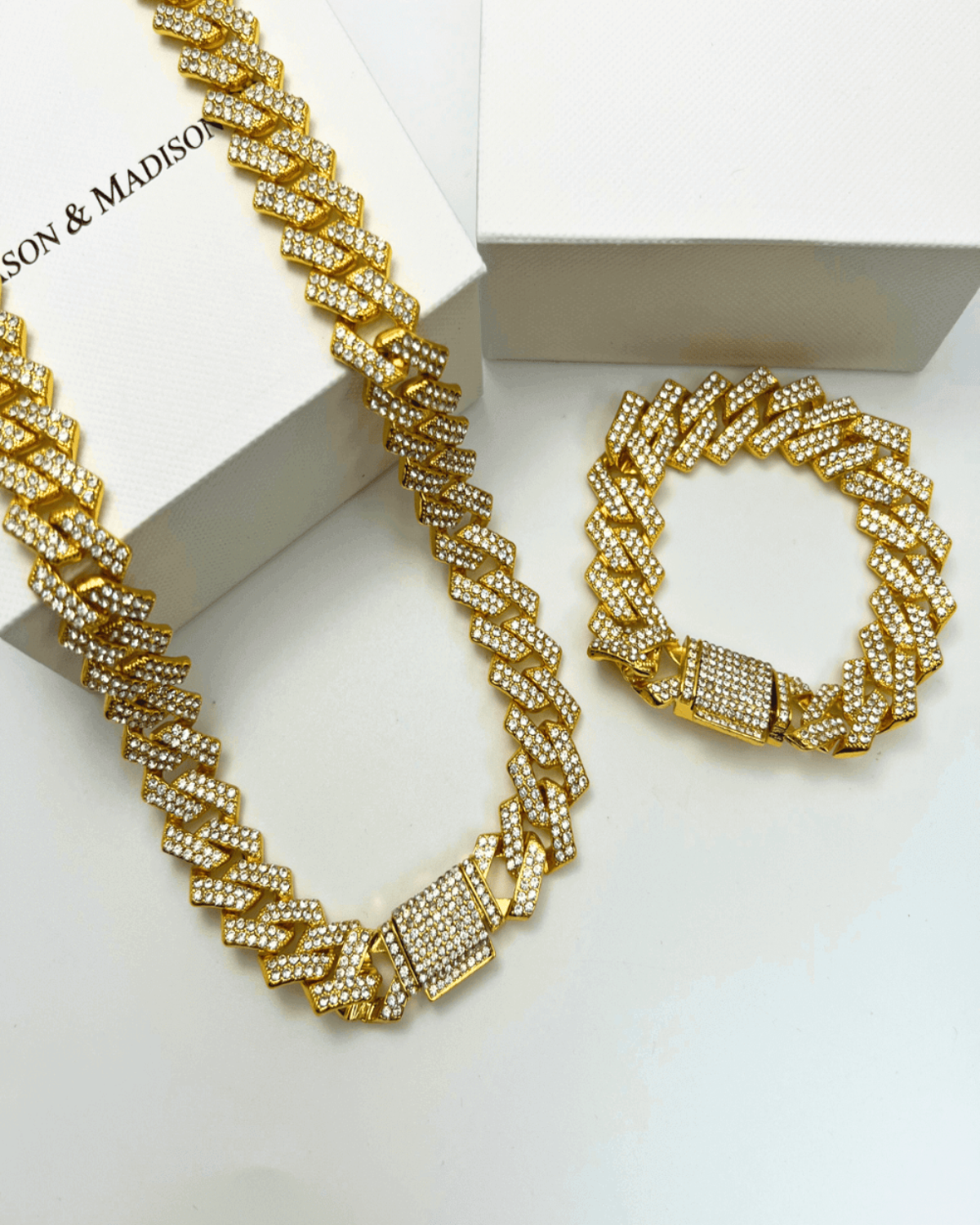
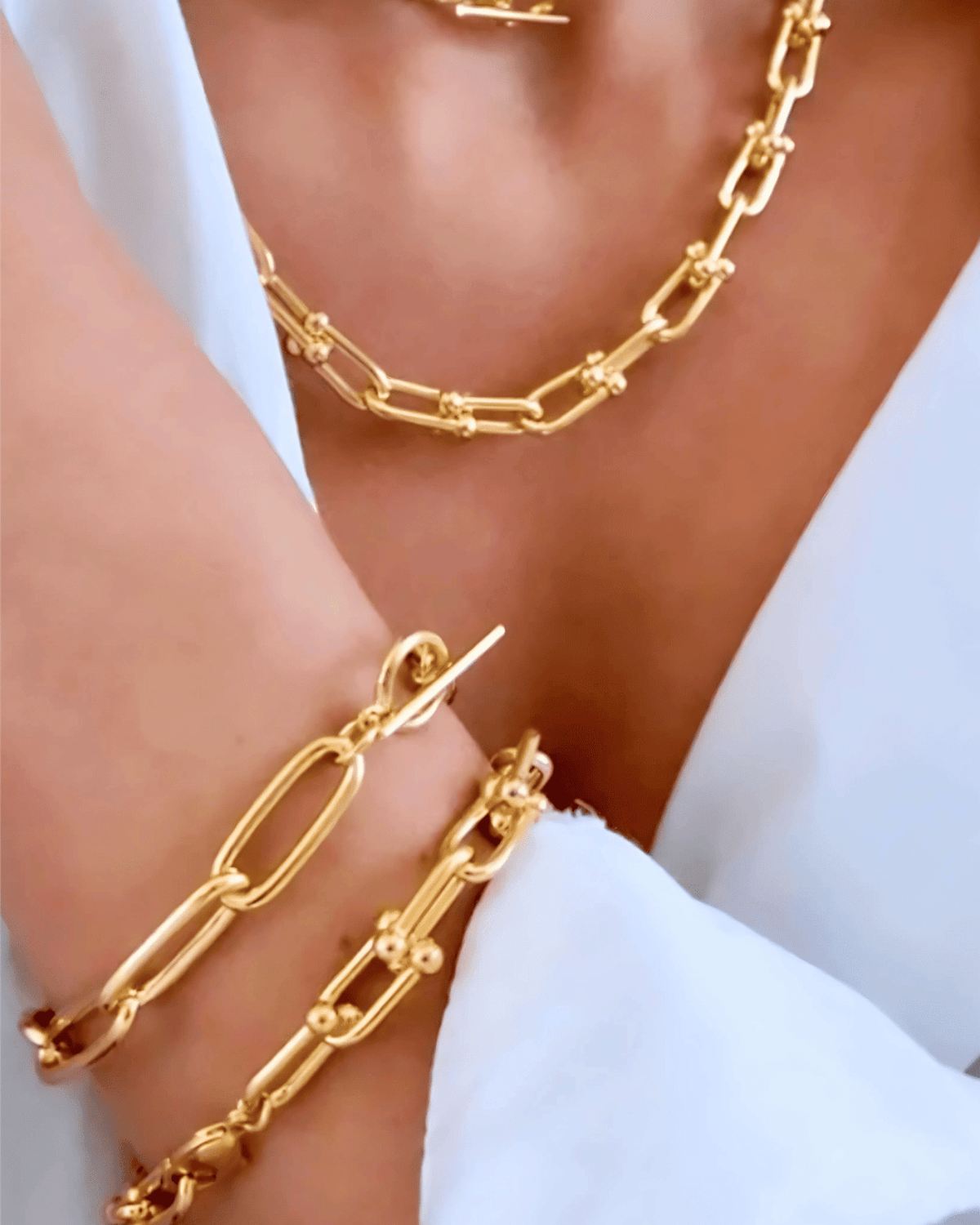
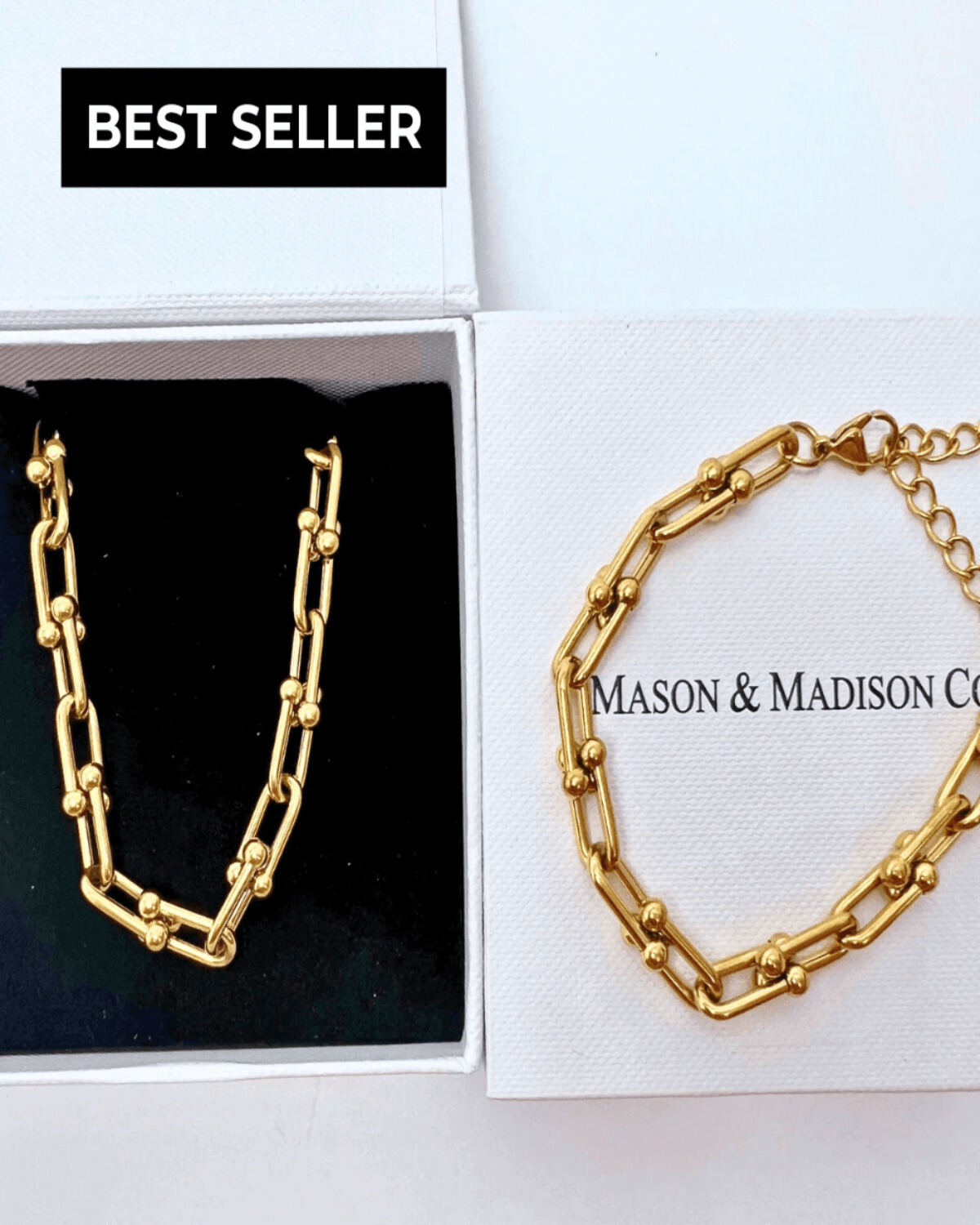
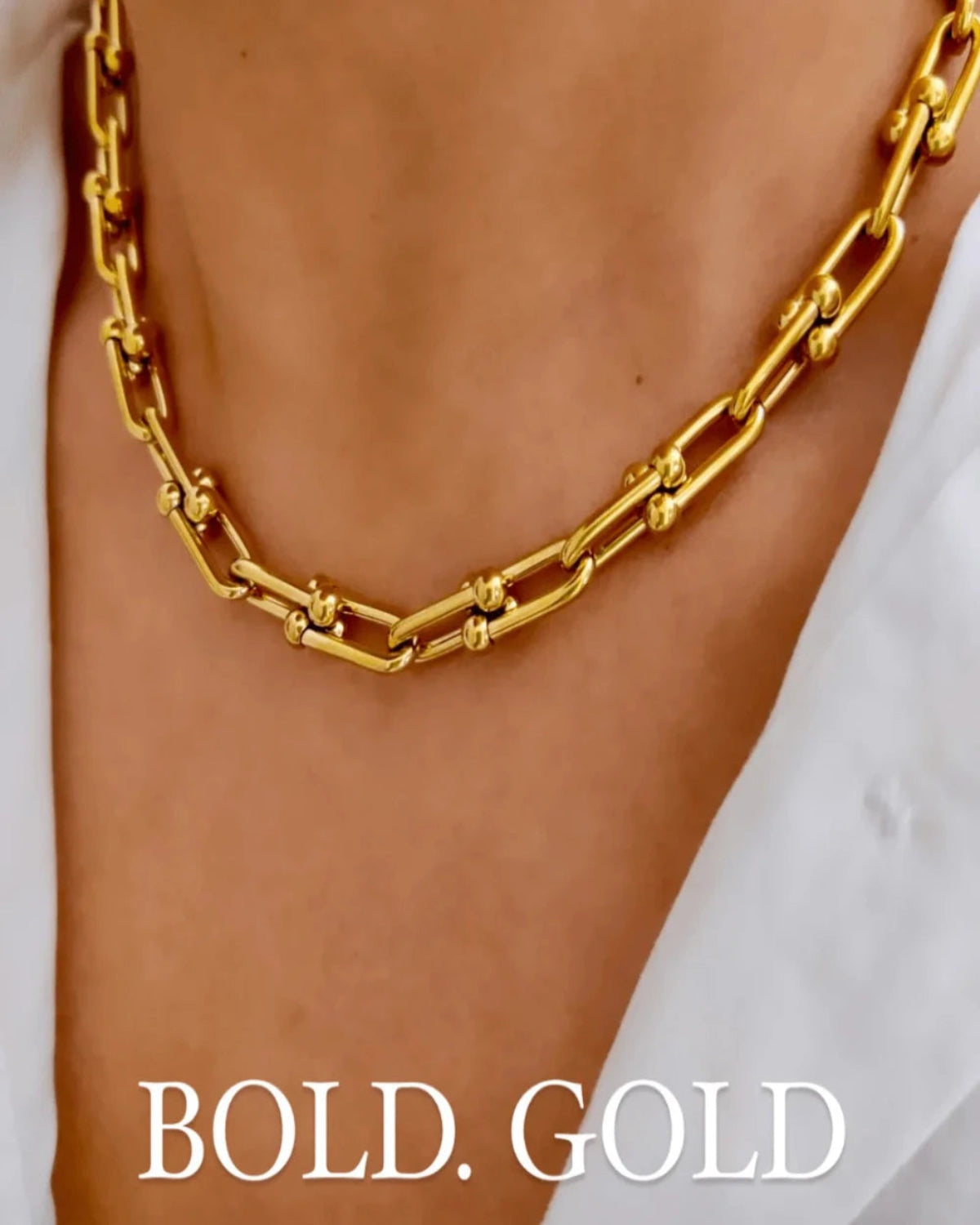
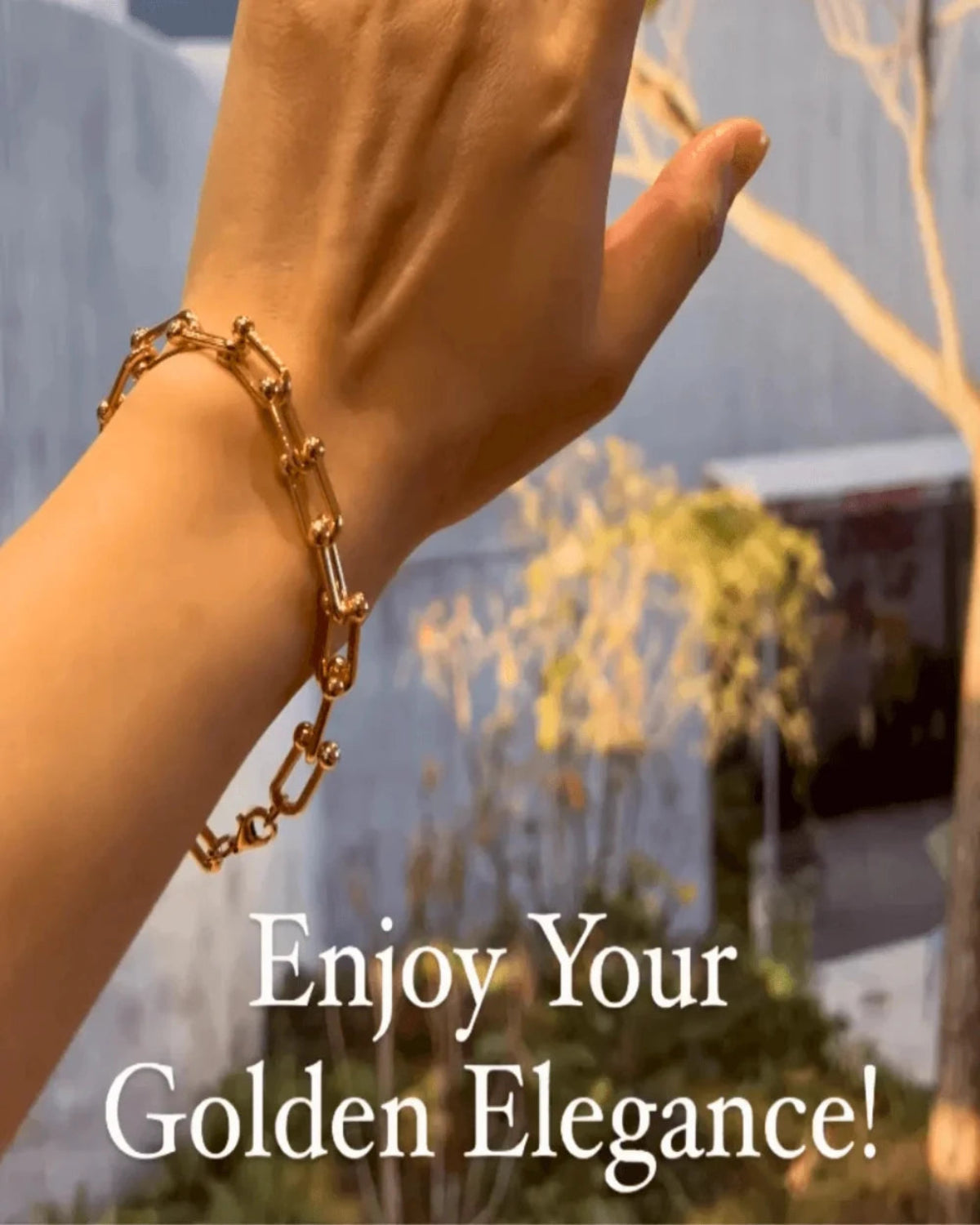
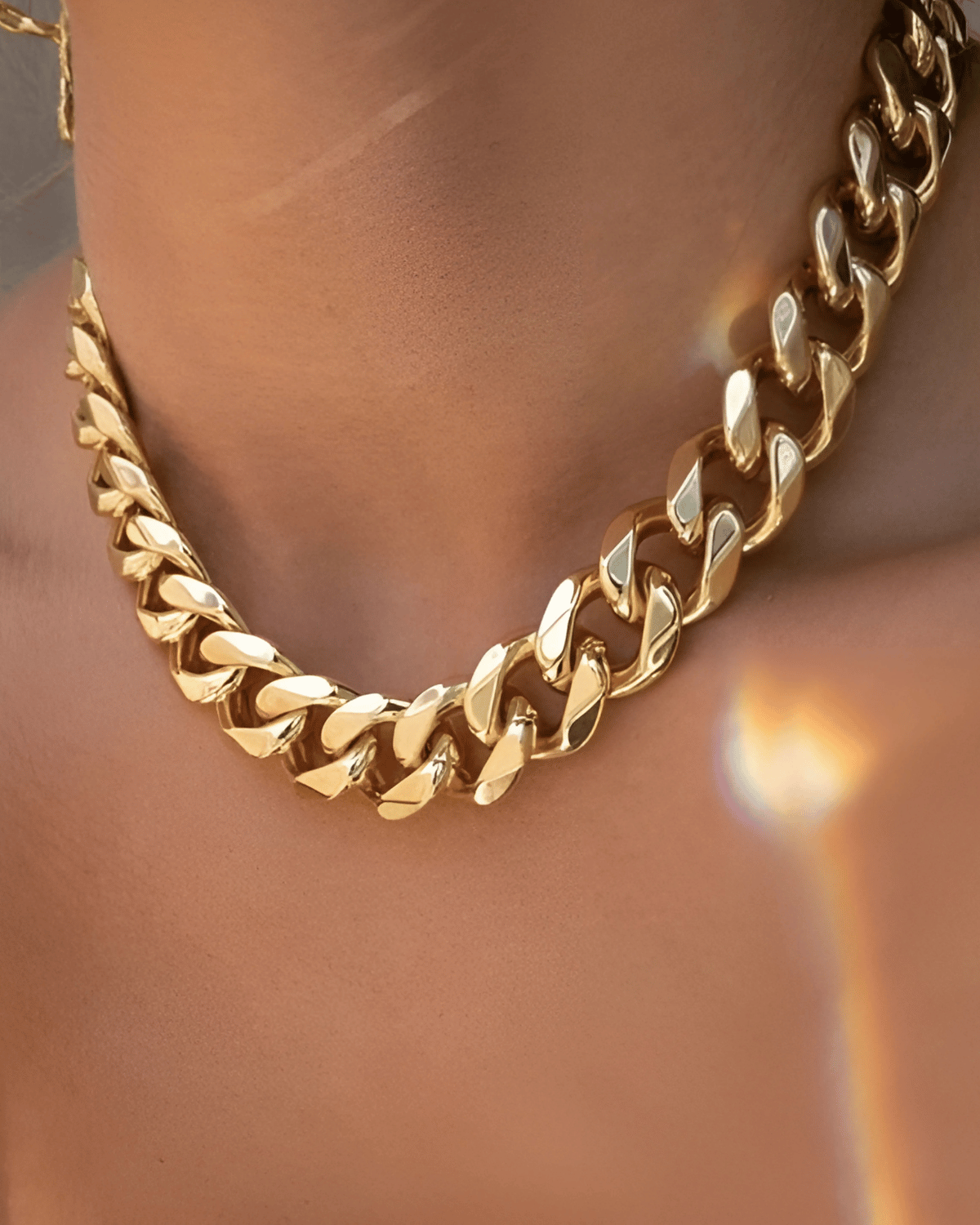
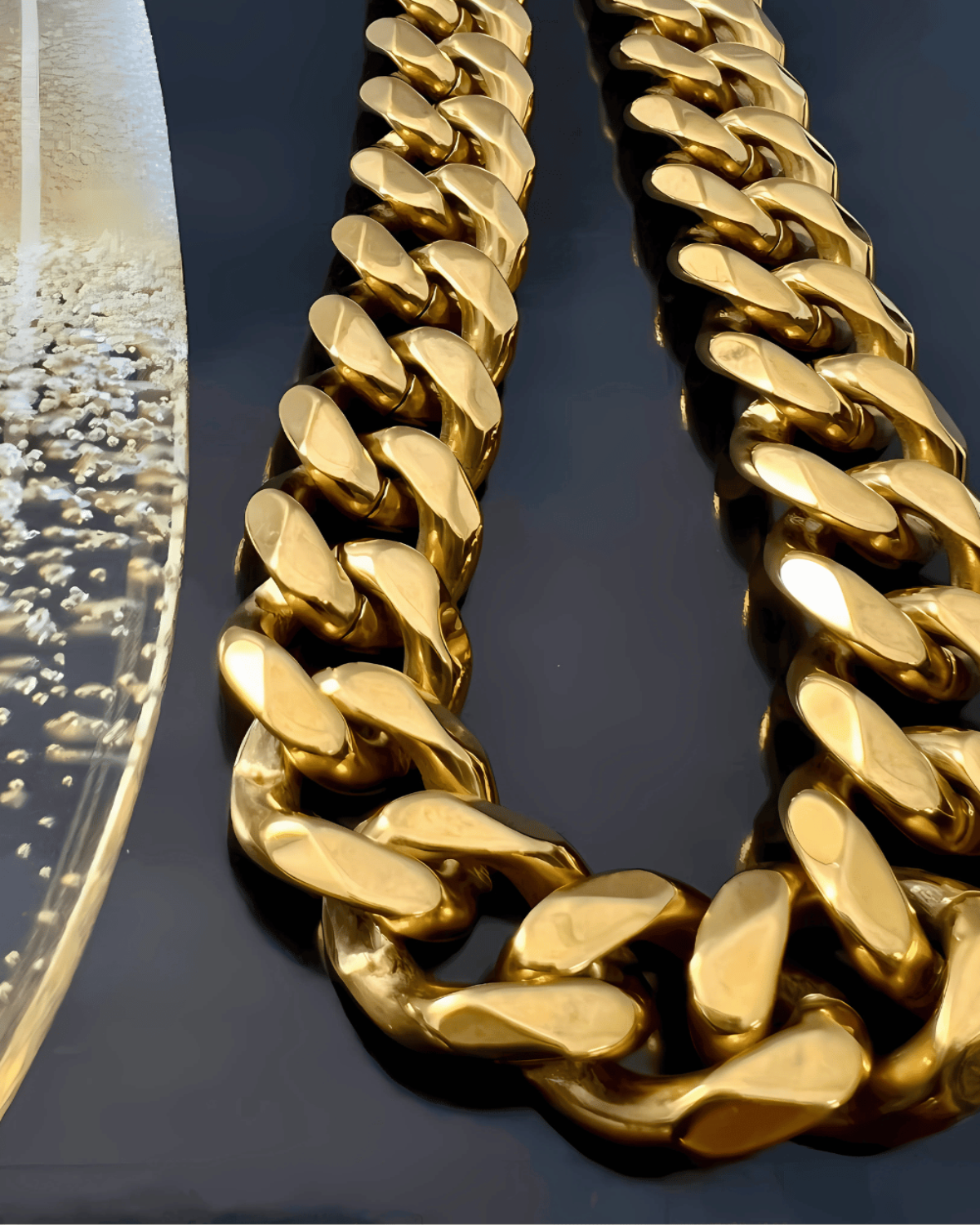
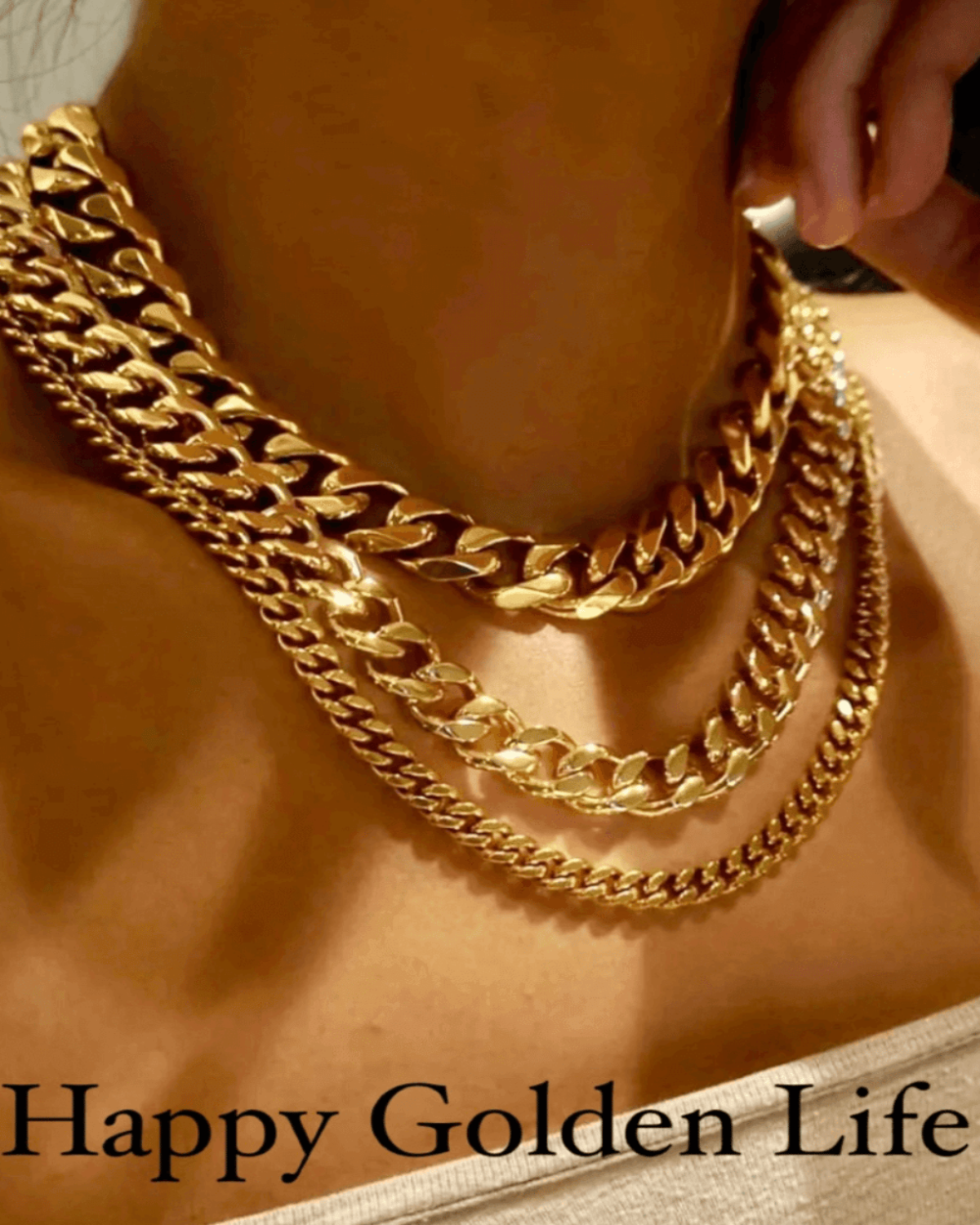
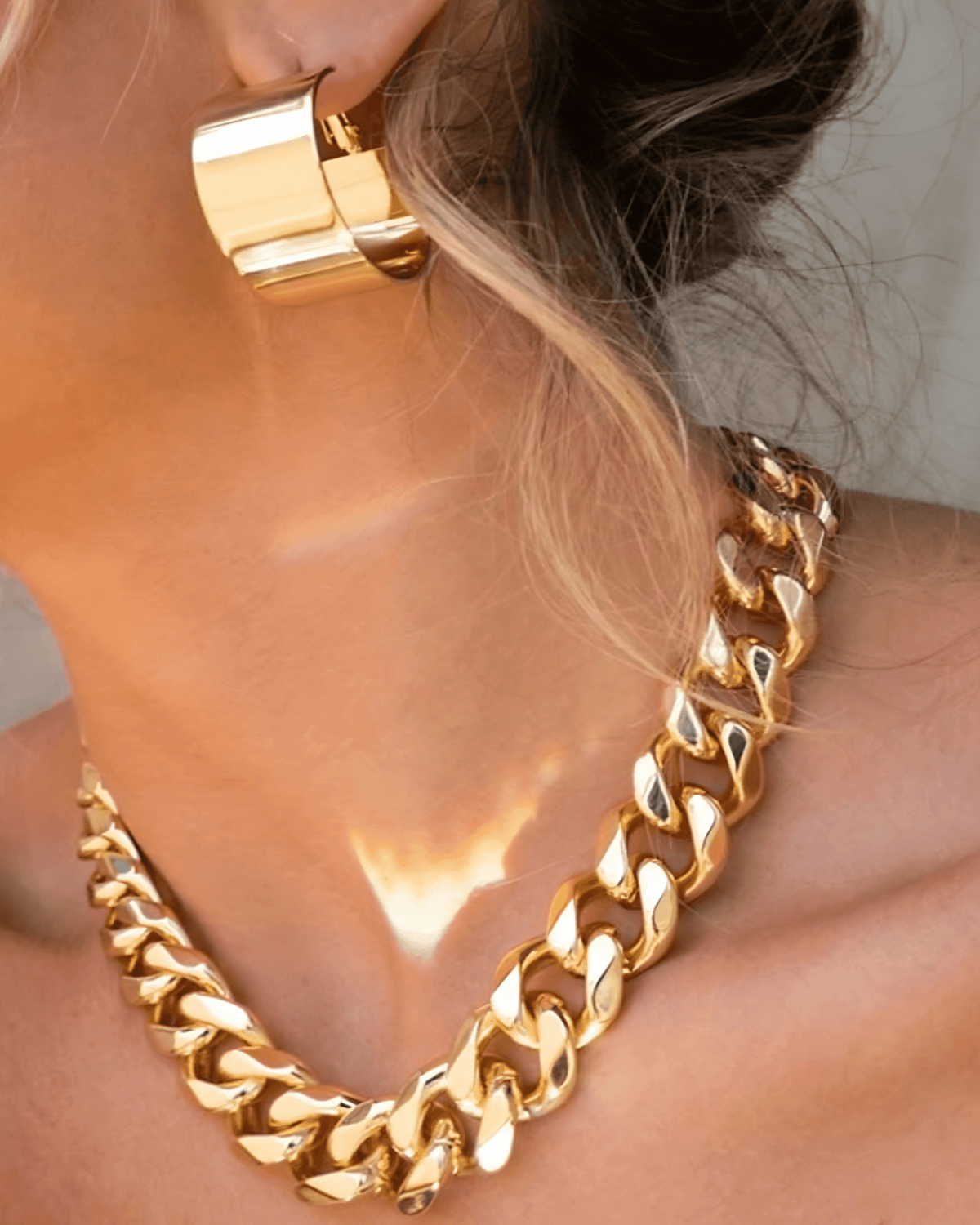


We’ve all been there: You find a stunning gold necklace, wear it for two weeks, and suddenly, your neck is green and the gold has faded into a dull, coppery gray. In 2026, the term "Tarnish-Free" is everywhere, but it has left many consumers skeptical. Is it just a buzzword, or can jewelry actually survive the shower, the gym, and the passage of time?
At Mason & Madison, we believe in transparency. In this 3,000-word deep dive, we’re pulling back the curtain on jewelry metallurgy. We’ll explain the difference between cheap plating and high-performance "Life-Proof" jewelry, so you can shop with confidence.
1. The Science of Tarnish: Why Does Jewelry Turn Green?
To understand how tarnish-free jewelry works, we first have to understand why jewelry fails.
The Oxidation Process
Tarnish is a chemical reaction that occurs when certain metals (like copper, brass, or low-quality alloys) react with oxygen, moisture, and sulfur in the air.
The Green Neck Phenomenon: This happens when acids in your sweat react with copper (the base metal in most cheap jewelry), creating copper carbonate.
The Fading Effect: In standard "flash plating," the gold layer is so thin (less than 0.1 microns) that it literally rubs off or dissolves, exposing the reactive metal underneath.
2. The "Tarnish-Free" Champions: Breaking Down the Materials
When we say a piece is tarnish-free, we are referring to specific high-end manufacturing processes. In 2026, there are three primary ways to achieve this:
A. 18K Gold Vermeil (The Luxury Standard)
Gold Vermeil is the ultimate "Gold Standard" for attainable luxury. To be legally classified as Vermeil, a piece must have:
A Base of 925 Sterling Silver: No copper, no brass, no nickel.
Gold Thickness of at least 2.5 Microns: This is 5 to 10 times thicker than standard plating.
Gold Purity of at least 10K: At Mason & Madison, we use 18K Gold for that rich, warm glow.
The Result: Because the gold layer is so thick, it acts as a permanent shield for the silver underneath. It is highly resistant to water and daily wear.
B. PVD Coating (The Industrial Powerhouse)
Physical Vapor Deposition (PVD) is a technique borrowed from the aerospace and luxury watch industries.
How it works: Instead of a liquid bath (electroplating), the gold is vaporized in a vacuum chamber and bonded to a base metal (usually stainless steel) at a molecular level.
The Result: PVD coating is virtually indestructible. It is the most "Waterproof" option on the market, making it perfect for gym-goers and swimmers.
3. Waterproof vs. Tarnish-Free: Is There a Difference?
Google AI often highlights the distinction between these two terms.
Tarnish-Free means the metal won't react with air to turn black or green.
Waterproof (or "Shower-Safe") means the bonding process is strong enough that water won't seep under the gold layer and cause it to flake or peel.
At Mason & Madison, our 18K Gold Vermeil and PVD collections are designed to be both. We utilize an advanced bonding process that ensures the gold stays exactly where it belongs: on your skin, not on your clothes.
4. Comparative Analysis: Cost vs. Longevity
| Jewelry Type | Thickness | Life Expectancy | Water Resistance | Price Range |
| Flash Plated | < 0.1 µm | 2-4 Weeks | None | $10 - $30 |
| Gold Filled | Varies | 5-10 Years | High | $100 - $300 |
| Mason & Madison Vermeil | 2.5 µm | 2-5+ Years | Very High | $60 - $150 |
| Solid 18K Gold | 100% Gold | Lifetime | Absolute |
5. Maintenance 101: How to Make Your Jewelry Last Forever
Even the best tarnish-free jewelry needs a little love. To maintain that 2026 "New Box Glow," follow these steps:
The "Last On, First Off" Rule: Apply perfumes, lotions, and hairsprays before putting on your jewelry.
Rinse After Salt/Chlorine: If you wear your waterproof jewelry in the ocean or a pool, rinse it with fresh water afterward to remove corrosive residues.
Gentle Cleaning: Use a soft microfiber cloth. Avoid ultrasonic cleaners for pearls or gemstones, as the vibrations can loosen settings.
6. People Also Ask:
Q: Does "Tarnish-Free" mean I never have to take it off?
A: Technically, you can wear our 18K gold vermeil 24/7. However, like any precious material, jewelry experiences friction. Taking it off before bed or during heavy manual labor reduces the physical abrasion on the gold layer, extending its life significantly.
Q: Why does some "Gold Vermeil" still tarnish?
A: Not all Vermeil is created equal. Many brands use the minimum 2.5-micron requirement but fail to use a "barrier layer" between the silver and the gold. At Mason & Madison, we use advanced multi-layer plating technology to ensure zero molecular migration, meaning your gold stays bright yellow forever.
Q: Can I wear tarnish-free jewelry if I have sensitive skin?
A: Yes! Tarnishing is often a sign of base metals like nickel or lead reacting with your skin. Because our tarnish-free jewelry uses 925 Sterling Silver or 316L Stainless Steel as a base, it is 100% hypoallergenic and safe for those with metal allergies.
Q: Is tarnish-free jewelry a good investment for Mother's Day?
A: It is the best investment. When you give a gift, you want it to last. Giving "tarnish-free" jewelry ensures that the sentimental value of the gift isn't ruined by the piece turning black a month later. It represents the "enduring nature" of a mother’s love.
Q: How do I know if a brand is lying about being tarnish-free?
A: Look for the Material Transparency. If a brand doesn't list the base metal (e.g., "925 Sterling Silver") or the plating thickness (e.g., "2.5 Microns"), they are likely selling standard gold plating. Authentic tarnish-free brands are proud of their specs.
Q: Can sweat damage tarnish-proof jewelry?
A: While sweat is acidic, high-quality PVD and 18K Gold Vermeil are resistant to these acids. This is why our collections are "Gym-Approved." Just remember to wipe them down occasionally to remove salt buildup.
Q: Does the "Green Skin" reaction happen with 18K gold?
A: No. Pure 18K gold does not react with skin. The green reaction only occurs when copper is present. Since Mason & Madison uses nickel-free and copper-free bases, you will never experience the "green neck" effect.
Q: What happens if my jewelry actually tarnishes?
A: At Mason & Madison, we stand by our quality. Most reputable tarnish-free brands offer a Lifetime or 1-Year Warranty. If your piece loses its color under normal wear, it’s a sign of a manufacturing defect, and we will replace it.
Q: Is silver tarnish-free?
A: Natural sterling silver will oxidize over time. However, our gold-layered silver is protected by the 18K gold. For our silver-toned pieces, we often use Rhodium Plating (the world’s most expensive precious metal) to ensure they stay bright and tarnish-free.
Q: How do I tell the difference between tarnish and dirt?
A: Tarnish is a change in the metal's color. Dirt is a layer on top of the metal. If your jewelry looks dull, try cleaning it with warm water and mild soap. If it shines again, it was just dirt. If the color remains dark, it is tarnish.
Real Quality vs. Marketing Hype
In 2026, "Tarnish-Free" isn't a myth—it’s an engineering achievement. By choosing materials like 18K Gold Vermeil and PVD Coating, you are choosing jewelry that respects your lifestyle. At Mason & Madison, we don't just promise beauty; we promise performance.
Discover the Mason & Madison Tarnish-Free Collection — Jewelry Built for Life